

You know your pet’s normal. The way they greet you, how fast they finish dinner, where they nap, how they move when they feel good. That is why subtle changes can be easy to miss at first, especially when life is busy and your pet still seems mostly fine, which is why staying in touch with a veterinarian in Lambertville can help catch concerns earlier. A dog can wag through pain. A cat can hide illness for weeks. By the time there are clear signs, a small problem may already be harder and more expensive to treat.
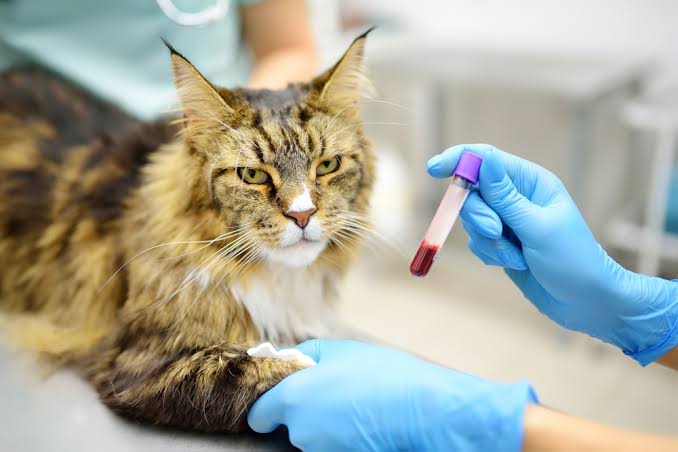
That is the quiet value of annual testing. Annual lab work for pets gives your veterinarian a look beneath the surface, often before symptoms show up at home. Blood work, urine testing, and other screening tools can catch early shifts in kidney function, liver health, blood sugar, infection, and more. You are not overreacting by agreeing to yearly screening. You are giving your pet a better chance at earlier care, steadier health, and fewer surprises.
Routine pet lab work finds problems before your pet acts sick
Many health issues start with small internal changes. A pet may eat a little less, drink a little more, or slow down so gradually that it feels like aging, weather, or a phase. Kidney disease, diabetes, thyroid problems, urinary issues, and some infections often begin this way. A physical exam matters, but it cannot show everything happening inside the body.
That is where screening changes the picture. Blood tests can show how organs are working and whether there are signs of anemia, inflammation, or metabolic disease. Urinalysis adds another layer by showing hydration status, kidney function, urine concentration, infection, crystals, and clues linked to diabetes or other illness. Cornell’s overview of urinalysis interpretation shows how much useful information can come from a simple sample.
If your pet is young and healthy, normal results become a baseline. That baseline matters more than many people realize. If something changes next year, your veterinarian can compare numbers and spot trends early instead of guessing what is normal for your pet. Washington State University explains this well in its guide to understanding your pet’s lab tests, especially how results help build a fuller picture rather than stand alone.
The financial side matters too. Many families put off lab work because their pet seems okay and the cost does not feel urgent. That makes sense. Then the emergency visit happens. A pet stops eating, strains to urinate, vomits all night, or collapses from untreated disease, and the bill is suddenly far higher than a wellness screen would have been. Early detection does not prevent every crisis, but it can reduce the odds of being blindsided.
Yearly veterinary screening supports better decisions at every life stage
Puppies and kittens need different care than senior pets, but yearly screening has value at every age. In younger animals, tests may uncover congenital issues, parasites, or silent infections. In middle age, they start to reveal trends that can guide diet, dental care, weight management, and medication choices. In older pets, they often catch age related disease before quality of life drops.
The Ohio State healthy pet guidelines support regular wellness testing as part of preventive care across life stages. You can review those healthy pet guidelines to see how routine monitoring fits into a broader plan for lifelong care.
This is also where a general veterinarian becomes your best source of context. Lab values are not just pass or fail. One slightly abnormal number may mean very little by itself. A cluster of changes, paired with your pet’s age, breed, symptoms, and exam findings, can point to a real problem. That is why preventive pet blood work is less about chasing numbers and more about making thoughtful decisions before illness gets ahead of you.
Annual testing often costs less than delayed treatment
Some pet owners worry that annual screening will only lead to more testing and more stress. Sometimes follow up is needed, and that can feel frustrating when your pet looked fine. Still, a closer look is often what protects your pet from silent progression. A mild kidney change found early may lead to diet adjustments and monitoring. Found late, that same issue may mean dehydration, hospitalization, and a much harder road.
| Approach | What it usually includes | Likely outcome |
| Annual wellness lab work | Exam, blood screening, urinalysis, trend comparison over time | Earlier detection, baseline values, more treatment options |
| Waiting for visible symptoms | Care begins after appetite changes, vomiting, weight loss, accidents, or lethargy | Illness may be more advanced, care may be more urgent and costly |
| Senior pet monitoring | More frequent testing based on age, medication use, or chronic conditions | Closer control of ongoing disease and safer medication management |
Pet wellness lab tests also help when your veterinarian is choosing medications or planning procedures. Pre anesthetic blood work can uncover hidden risks. Monitoring can show whether a long term medication is affecting the liver or kidneys. That is practical protection, not extra fuss.
Three steps you can take now to protect your pet’s health
Schedule yearly screening before there is a problem. Do not wait for your pet to look sick. If your pet is a senior, has a chronic condition, or takes regular medication, ask whether testing should happen more often than once a year.
Track small changes at home. Write down shifts in thirst, appetite, weight, energy, bathroom habits, and behavior. What feels minor in the moment can help your veterinarian connect the dots when lab results come back.
Ask for the story behind the numbers. If results show an abnormal value, ask what it may mean in context, whether it needs follow up, and when to recheck. A single test result does not define your pet’s future, but it can guide smart next steps.
Consistent veterinary care gives your pet more good years
You are not being overly cautious by saying yes to routine screening. You are paying attention to the gap between looking healthy and being healthy. That gap is where many diseases hide, and where annual lab work protects pet health most clearly.
Stay ahead of problems with regular visits to your general veterinarian and make annual lab work part of your pet’s normal care. Your pet depends on you to notice what they cannot say, and this is one of the best ways to do that.