

You fill the bowl, set down the food, and assume your cat will sort the rest out. Then you notice the water dish stays full, the litter box looks a little different, or your cat seems picky in ways that make no sense. That low level worry is familiar to a lot of cat owners, especially when you are considering whether to visit a veterinary clinic in Waco, TX. You are trying to do something simple, and your cat is giving you mixed signals.
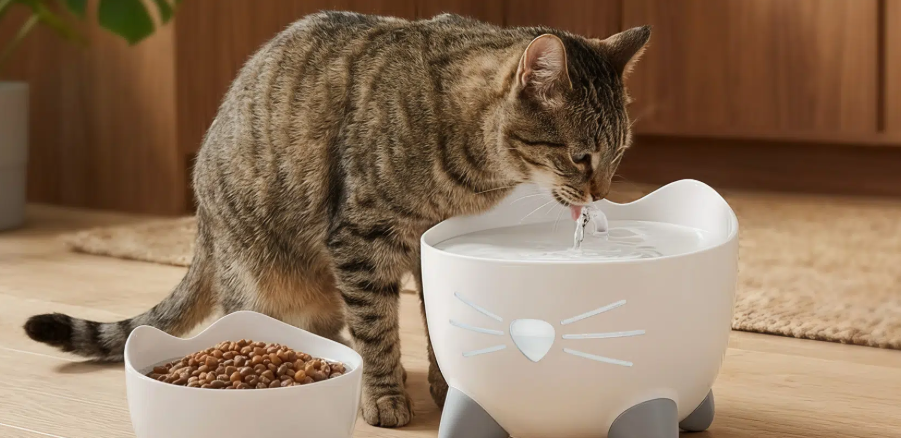
One small setup choice can affect daily drinking habits more than people expect. Many cats prefer their water away from their food, and some will drink more when the two are separated. That does not mean every cat needs an elaborate feeding station, but it does mean bowl placement deserves more attention than it usually gets. Separate food and water stations for cats can support better hydration, which matters for comfort, digestion, and urinary health.
Cat Instincts Can Shape Where and How They Drink
Cats may live indoors and sleep on your laundry, but they still carry instincts that affect daily behavior. In nature, food and water sources are not always side by side. Some cats seem uneasy drinking next to where they eat, and others dislike the smell of food drifting into the water. If the bowl is narrow, their whiskers may brush the sides, which can make the whole experience irritating enough to avoid.
You might see this play out in subtle ways. Your cat eats well but only takes a few quick laps of water. Or your cat ignores the bowl in the kitchen and drinks from the bathroom sink, a plant tray, or a glass you left on the table. That is not random stubbornness. It can be your cat showing you a preference for cleaner tasting water, a quieter location, or more distance from the food dish.
Cornell’s feline care guidance points out that environment and setup matter when choosing and caring for your new cat. Feeding and watering areas are part of that environment, and small changes can make daily routines easier for your pet.
Low Water Intake Can Create Bigger Problems Than a Picky Habit
A cat that drinks less than needed may not look sick right away. That is part of the problem. Mild dehydration can be easy to miss until it starts affecting energy, appetite, stool quality, or urinary habits. Cats are good at hiding discomfort, and by the time they show obvious signs, the issue may be more advanced than you thought.
Hydration matters because the urinary system depends on it. Concentrated urine can raise the risk of crystal and stone formation in some pets, and it can add stress to a system that already tends to be sensitive in cats. The Cornell Feline Health Center explains in its page on hydration in cats that water intake is closely tied to health, especially when kidney and urinary concerns are on the table.
This is where separate water and food bowls may help. If your cat is avoiding the water area because of smell, noise, crowding, or bowl discomfort, moving the water station can remove that barrier. The change is simple, inexpensive, and often worth trying before the pattern turns into a medical issue.
Simple Placement Changes Can Encourage Better Drinking
Placement affects behavior. A water bowl next to a loud appliance, in a high traffic hallway, or beside another pet’s feeding area may be technically available but still feel wrong to your cat. Some cats want privacy. Some want a clear view of the room. Some will drink more from wide ceramic or stainless steel bowls than from deep plastic ones.
The University of Minnesota notes several ways to increase water intake in pets, including offering multiple water sources and adjusting the setup to make drinking more appealing. Separating food and water fits directly into that approach.
| Setup | Common Cat Response | Possible Benefit | Possible Drawback |
|---|---|---|---|
| Food and water side by side | Some cats tolerate it, some drink less | Convenient for the owner, tidy feeding area | Food smell, crowding, and whisker discomfort may reduce drinking |
| Water placed several feet away from food | Many cats check the bowl more often | May increase water intake and reduce avoidance | Takes more space and observation to find the best spot |
| Multiple water stations around the home | Cats often choose preferred locations | More chances to drink during the day | More bowls to clean and refill |
| Wide, shallow bowl in a quiet area | Often easier for whisker sensitive cats | Can improve comfort and drinking frequency | May need testing if your cat prefers moving water |
Small Home Changes Can Support General Veterinarian Care
Home setup does not replace medical care, but it can support it. If your cat has a history of urinary issues, constipation, kidney disease, or reduced appetite, better water access becomes even more important. A general veterinarian may ask about water intake, bowl type, diet, and litter box habits because those details often reveal the real pattern.
There is also the money side of this that people rarely say out loud. You do not want to find out after an urgent visit that your cat has been under drinking for weeks. No one likes realizing a simple environmental fix might have helped sooner. That does not mean you caused the problem. It means cats can be particular, and their preferences can have health effects.
Three Steps You Can Take Today
Move the water bowl away from the food dish. Start with a few feet of distance, then watch what changes over the next week. Pick a quiet spot away from litter boxes and heavy foot traffic.
Upgrade the bowl and offer more than one option. Try a wide, shallow ceramic or stainless steel bowl. Place another water station in a second room if your cat spends time there.
Track what your cat is telling you. Notice how often the bowl needs refilling, whether your cat seeks other water sources, and whether litter box output changes. If drinking still seems low, or if you notice straining, vomiting, lethargy, or appetite changes, schedule a veterinary visit.
Better Hydration Often Starts With a Better Setup
You are not overthinking this. Cats can be sensitive to details that seem minor to people, and bowl placement is one of them. Creating distance between food and water is a simple adjustment that may help your cat drink more comfortably and more often. If your cat’s habits seem off, trust that instinct and get guidance from a veterinarian. A few small changes at home can make daily life easier for your cat and give you more peace of mind.