

Closing a business rarely feels clean on paper, even when you know it is the right move. There is often relief mixed with guilt, loose ends mixed with deadlines, and a stack of tax and accounting tasks that can make the whole process feel heavier than it already does. If you are dissolving a company, the legal filing is only one part of the job. Working with a small business accountant in Chesterfield can help ensure the financial closeout is handled properly, because missed payroll filings, unfiled final returns, or sloppy records can follow you long after the doors shut.
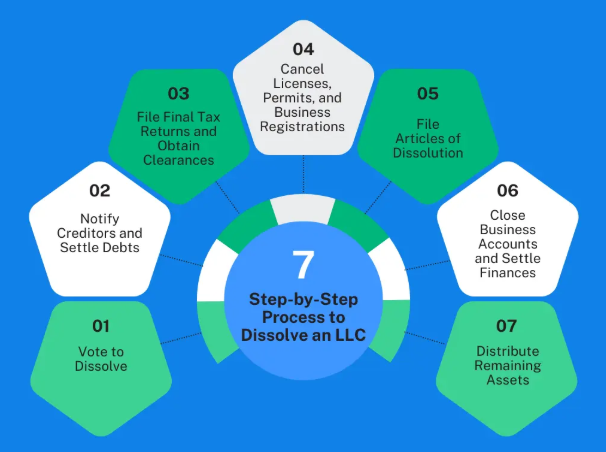
The good news is that the work becomes manageable when you break it into a few clear steps. Before dissolving a business entity, you need to settle tax accounts, file final federal and state returns, close payroll obligations, account for assets and debts, and keep records that support the shutdown. Those are the core pieces. Done in the right order, they reduce the risk of penalties, notices, and personal stress.
Final tax filings protect you after the business closes
One of the most common mistakes is assuming that dissolving the entity automatically ends your tax responsibilities. It does not. The IRS and state agencies still expect final returns, and they usually want them marked as final. The exact forms depend on whether you operated as a corporation, partnership, sole proprietorship, or LLC taxed under one of those structures.
This is where people get tripped up. You may have stopped taking clients months ago, but if the entity still existed during the tax year, reporting duties may still be active. If the business had sales tax, payroll tax, franchise tax, or excise tax accounts, each one may need its own final filing and closure request. The IRS has a clear guide for closing a business, and it is worth reviewing before you submit anything.
Missing a final return creates a strange kind of limbo. The business is gone in your mind, but the tax agencies still show an active account. That often leads to automatic notices, estimated assessments, and penalties that are much harder to clean up later.
Payroll tax obligations continue until every employee issue is closed
If you had employees, the shutdown process gets more sensitive. Final wages, unused paid time off if required under your policies or state law, payroll tax deposits, W-2 forms, and final employment tax returns all need to be handled correctly. The IRS publication on employer tax responsibilities, Publication 15, outlines the rules that apply when wages and withholding are involved.
This step matters because payroll tax problems tend to escalate fast. If withheld taxes were not deposited, owners and officers can face personal exposure in some cases. You do not want the end of the business to become the start of a payroll dispute. Make sure employee benefits, retirement plan contributions, and contractor reporting are also reviewed before the entity is dissolved.
A simple example shows why timing matters. If your last payroll runs on June 30, but you dissolve the entity on June 15 without coordinating payroll filings, you have created a mismatch. The business is legally closing before its tax reporting is actually complete. That gap is where notices and confusion start.
Asset sales, debt payoff, and owner distributions need clean accounting
Closing the books is not just a bookkeeping exercise. It affects taxes, owner basis, gain or loss recognition, and what each owner receives when the business winds down. If the company sells equipment, writes off old inventory, forgives receivables, or pays creditors less than the full balance, those events have tax effects that should be recorded before the final return is prepared.
You also need to be careful with owner distributions. Many business owners pay themselves what is left and assume they can sort it out later. That creates problems if taxes, vendor balances, or final payroll liabilities were still outstanding. Creditors and tax agencies usually come before final owner payouts.
The Small Business Administration offers a useful overview on how to close or sell your business, including the practical order of operations. That order matters. If you skip ahead to the emotional part, shutting the bank account and walking away, the accounting usually comes back around.
DIY business dissolution accounting carries different risks than professional help
Some owners can handle a straightforward closure on their own, especially if there were no employees, no debt, and very little activity. Others save money upfront and lose much more fixing errors later. The difference usually comes down to complexity, not intelligence.
| Approach | Works Best When | Main Risk | Likely Outcome |
|---|---|---|---|
| DIY final filings | Single owner business, no payroll, few assets, clean books | Missing final state or federal accounts | Lower upfront cost, higher chance of notices |
| Bookkeeper only | Records need cleanup but tax issues are simple | No legal or tax planning on dissolution consequences | Better books, possible gaps in filing strategy |
| Tax and accounting support | Employees, multiple owners, debt, asset sales, late filings | Higher upfront cost | Cleaner closure, fewer post-dissolution surprises |
If your situation includes payroll, partner disputes, unpaid taxes, or asset liquidation, business closure tax preparation is not the place to guess. A short review before filing final returns can prevent months of cleanup.
Step 1: Reconcile every tax account before filing final returns
Match your books to bank statements, payroll reports, sales records, and prior tax filings. Confirm that income, expenses, liabilities, and owner distributions are accurate through the closure date. This is the foundation for dissolving a company tax checklist work, because final returns are only as good as the numbers behind them.
Step 2: List every filing and closure notice by agency
Create a simple checklist for the IRS, your state tax department, secretary of state, local tax offices, and any payroll or sales tax accounts. Include due dates, final deposit dates, and whether an account must be closed separately after the final return is filed. This is where many owners realize they had more active accounts than they thought.
Step 3: Hold back funds until taxes, payroll, and debts are fully cleared
Do not distribute the last dollars too early. Keep enough cash in the business account to cover tax prep, final filings, payroll corrections, debt payoff, and filing fees. This one move protects you from having to put personal money back into a business you thought was already over. It is also one of the smartest accounting and tax decisions you can make during dissolution.
Closing a business can feel personal, even when the reasons are practical. That weight is real, and the paperwork does not make it lighter. What helps is a clear sequence and clean records. When you handle the financial closeout with care, you give yourself a better chance to end this chapter without more damage following behind it.
If you need help with final returns, payroll closeout, or tax cleanup tied to 5 Tax And Accounting Steps To Complete Before Dissolving A Business Entity, reach out for accounting and tax support before you file the last documents.