

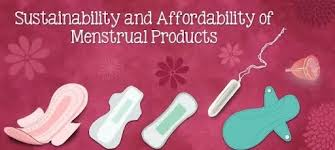
Menstrual care products have evolved to offer different levels of absorbency, improved fit, and materials designed to support everyday comfort. Yet one aspect of the experience has remained relatively unchanged: disposing of a used sanitary pad.
For many people, managing menstrual waste outside the home can be inconvenient. Public restrooms may lack suitable disposal bins, travelling can make carrying used products uncomfortable, and conventional sanitary pads often contain multiple materials that cannot be flushed safely.
These challenges have encouraged conversations about how period care products might be redesigned to address convenience without overlooking hygiene, product performance, or environmental considerations.
Flawsome’s flushable sanitary pad concept is part of this emerging discussion. By focusing on product disintegration and disposal, the brand aims to explore an alternative to conventional menstrual product disposal. Understanding this approach requires looking at the technology, consumer needs, and practical considerations that shape the future of period care.
Why Period Care Innovation Matters
Menstrual products are used regularly, often for several days each month. Small improvements in comfort, accessibility, and ease of use can therefore make a meaningful difference to everyday routines.
Traditional sanitary pads are designed primarily to absorb menstrual fluid, provide leakage protection, and remain secure during movement. Disposal is generally treated as a separate step, even though it can be a source of inconvenience in many settings.
Innovation in period care involves examining the complete product experience, from selecting and wearing a pad to changing and disposing of it.
Addressing Everyday Disposal Challenges
Used sanitary pads are usually wrapped and placed in a waste bin. This is the appropriate method for most conventional disposable pads, which should not be flushed because their layered construction can contribute to plumbing blockages.
However, suitable waste bins may not always be available in public toilets, schools, workplaces, transport facilities, or outdoor settings.
This creates a practical challenge for people who need to manage their periods away from home. Product designs that address disposal could help improve convenience, provided their claims are supported by appropriate testing and their instructions are followed.
The goal is not simply to introduce a new product feature. It is to make menstrual care more practical while maintaining responsible hygiene practices.
What Makes Flushable Sanitary Pads Different?
Flushable sanitary pads are designed with the intention of breaking apart under specified flushing conditions, unlike conventional pads that should be disposed of in a waste bin.
Flawsome’s product page describes its planned flushable pad as designed to disintegrate in a toilet in under 20 seconds and biodegrade within 28 days. The brand also states that the product has been developed using in-house, patent-pending technology.
These are manufacturer-provided claims. The precise conditions, testing methods, and scope of the reported results matter when assessing how the product may perform in real-world settings.
Understanding Disintegration
Disintegration refers to a product physically breaking into smaller pieces. In the context of flushable products, this property is relevant because large, intact materials can contribute to blockages.
However, breaking apart in water does not automatically mean a product is harmless to every plumbing or wastewater system. Toilet design, pipe configuration, water flow, septic systems, and local wastewater infrastructure can all influence disposal outcomes.
Consumers should follow the product’s specific flushing instructions and consider local guidance before using a flushable product.
Disintegration Is Not the Same as Biodegradation
Biodegradation is the breakdown of materials through biological processes. It differs from disintegration, which describes a physical change in the material’s structure.
A product may break apart relatively quickly while taking longer to biodegrade. The rate and extent of biodegradation depend on the material and the conditions under which the process occurs.
For this reason, environmental claims should explain the conditions under which testing was conducted. Understanding these distinctions helps consumers assess product information without assuming that one performance characteristic automatically proves another.
Flawsome’s Approach to Convenience and Disposal
Flawsome is positioning its flushable sanitary pad as an alternative approach to menstrual product disposal. The product page highlights features including disintegration in water, biodegradation claims, and a design intended to support comfort and leakage protection.
The brand also states that its technology has been developed and tested to IS 5405:2019 standards. Consumers evaluating this claim should review the scope of the testing and which specific product characteristics it establishes.
The product page currently describes a pre-booking arrangement rather than the purchase of a finished pack. According to the page, the ₹19 reservation is intended to provide a ₹19 discount code for the customer’s first pack after launch. The listed expected launch window is late November to early December 2026.
Interested consumers can review the current details on the Flawsome Flushable Sanitary Pads pre-booking page.
Why Product Design Must Go Beyond Disposal
A new disposal method is only one part of menstrual product design. A pad must also manage menstrual flow, remain comfortable during use, and provide suitable protection against leakage.
These requirements involve multiple components, including the surface layer, absorbent core, backing, and overall construction. Changes intended to make a product disintegrate may need to be balanced with the performance expected during wear.
That makes testing particularly important. Product development should consider the intended use of the pad as well as its behaviour during disposal.
For consumers, transparent information about absorbency, material composition, product testing, and usage instructions makes it easier to understand the practical benefits and limitations of a new design.
Comfort Remains Central to Modern Menstrual Care
Convenience cannot replace the basic requirements of a good menstrual product. Comfort, absorbency, fit, and leakage protection remain important considerations for everyday use.
Consumers looking for sanitary pads without harsh chemicals may also want to understand the materials and ingredients used in the products they choose. However, this phrase is not a precise technical category, and it should not be treated as proof that a product is safer than alternatives.
All materials have chemical compositions, including natural fibres and plant-derived substances. A more useful approach is to look for specific information about the product’s materials, fragrances, processing, and relevant safety assessments.
Understanding Skin-Friendly Design
The skin around the vulva can be sensitive to friction, prolonged moisture, fragrances, and certain materials. A pad’s surface texture and fit may influence how comfortable it feels during movement.
People who experience irritation may prefer unscented products and materials they have previously tolerated well. Regularly changing pads and avoiding unnecessary friction may also help reduce discomfort.
However, no material or product label can guarantee that irritation will never occur. Individual sensitivities differ, and persistent symptoms may have causes unrelated to the sanitary pad itself.
When assessing new menstrual products, consumers should consider both the manufacturer’s claims and their own comfort needs.
Could Flushable Pads Change the Menstrual Waste Conversation?
Menstrual waste is a wider issue involving product design, packaging, disposal infrastructure, and consumer habits. A product that offers a different disposal method may change part of that experience, but its overall environmental impact needs to be assessed carefully.
Flawsome’s product page claims that its planned flushable pad has around 70% lower lifecycle emissions than a regular pad. This is a comparative environmental claim, and its interpretation depends on the products being compared, the lifecycle boundaries, and the methodology used to calculate the result.
Consumers should look for supporting evidence before treating a percentage comparison as a universal measure of environmental benefit.
Looking at the Complete Product Lifecycle
A product’s environmental footprint can include several stages:
- Raw materials: The resources and processes required to produce the materials.
- Manufacturing: Energy, water, and other inputs used during production.
- Packaging and transport: The materials and resources required to distribute the finished product.
- Use: The product’s performance and the number of items required for the intended purpose.
- End-of-life processing: What happens after disposal, including the conditions needed for disintegration or biodegradation.
Examining the complete lifecycle provides more context than focusing on a single material or disposal feature.
It is also important to distinguish between a product designed to be flushable and one that is appropriate for every toilet or wastewater system. Local infrastructure and product-specific instructions still matter.
What Consumers Should Check Before Choosing a Flushable Product
As new menstrual products become available, consumers can use a few practical questions to assess their suitability.
1. What exactly has been tested?
Look for details about disintegration, absorbency, leakage protection, and other performance claims. Check whether the available evidence supports the specific statements made by the manufacturer.
2. Under what conditions is flushing recommended?
Review the manufacturer’s instructions and local wastewater guidance. Do not assume that every toilet, septic system, or plumbing installation is compatible.
3. What materials does the product contain?
Material transparency helps consumers understand the product’s construction and make choices based on their preferences and sensitivities.
4. What evidence supports environmental claims?
Claims about biodegradation, waste reduction, or lower lifecycle emissions should be considered in the context of the relevant testing and methodology.
5. Is the product currently available?
Check whether the brand is offering a finished product or a pre-booking opportunity. Review the terms, expected launch timing, and any applicable conditions before reserving.
These questions help separate a product’s intended benefits from the evidence available to substantiate them.
The Role of Transparency in Period Care Innovation
As menstrual care products evolve, transparent communication becomes increasingly important. Consumers need to understand not only what a new product is designed to do, but also the conditions under which it is expected to perform.
Brands can build confidence by clearly explaining product materials, testing methods, usage instructions, and disposal requirements. They should also distinguish between confirmed product characteristics and broader environmental ambitions.
For emerging technologies, acknowledging limitations is just as important as describing potential benefits. Clear information allows consumers to compare alternatives and make decisions based on their actual needs.
Flawsome’s flushable sanitary pad concept brings the disposal question into focus by exploring whether a pad can be designed to disintegrate in water while still serving its intended purpose during use. Its real-world value will depend on product performance, appropriate testing, and clear guidance for consumers.
Rethinking the Future of Period Care
The future of menstrual care will likely involve continued attention to comfort, convenience, materials, and waste management. Flushable sanitary pads represent one approach to addressing disposal challenges, but they must be assessed alongside absorbency, skin comfort, plumbing compatibility, and environmental evidence.
For consumers interested in this approach, reviewing the available information about Flawsome’s flushable sanitary pads can provide a starting point for understanding the product’s intended features and pre-booking details.
Ultimately, meaningful innovation is about more than introducing a new feature. It involves developing products that address real everyday needs, communicate their capabilities honestly, and provide clear instructions for safe and responsible use.
