

Introduction
Foam is far more versatile than many people realise. It can provide cushioning, protect delicate equipment, improve indoor acoustics, and support the manufacture of products used in everyday life. However, raw foam materials rarely meet every requirement straight from the supplier. They often need to be reshaped, trimmed, or fabricated to suit a particular design. This is why foam conversion is an important service for manufacturers seeking reliable, application-specific components.
By using specialised machinery and carefully planned production methods, foam processing companies can transform blocks, sheets, and rolls into components with precise dimensions and functional shapes. A professional foam converter can support everything from simple foam pads to complex industrial parts, helping businesses find practical solutions for their manufacturing challenges.
1. Understanding the Role of Foam Conversion in Manufacturing
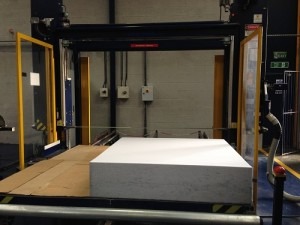
Foam conversion involves modifying raw foam into a product that is ready for use in another manufacturing process or as part of a finished item. Depending on the project, this can involve cutting, shaping, joining, profiling, or finishing the material.
The process is not limited to producing standard shapes. Businesses may require custom components designed around a specific product, machine, enclosure, or installation area. Foam conversion makes it possible to manufacture these components according to individual specifications.
For instance, an equipment manufacturer might need foam sections that fit securely inside a protective case. A company producing upholstered furniture may require cushions with different thicknesses and contours. A business supplying acoustic products may need specially profiled foam panels to help manage sound reflections.
The correct manufacturing approach depends on the material’s properties and the intended use of the finished component.
Common foam conversion methods include:
- Saw cutting: Suitable for dividing foam blocks and sheets into required sizes.
- CNC cutting and machining: Helps produce repeatable shapes and more detailed profiles.
- Waterjet processing: Can create intricate shapes in suitable materials.
- Die cutting: Allows manufacturers to produce repeated shapes efficiently.
- Profiling: Creates shaped surfaces, channels, and contours.
- Lamination: Joins foam layers or bonds foam to selected backing materials.
By selecting an appropriate method, manufacturers can turn standard foam stock into components that fit their customers’ technical and commercial requirements.
2. From Raw Foam to Finished Components
Every successful foam conversion project requires planning. The manufacturing process should account for the final product’s purpose, material requirements, measurements, and expected production quantity.
Defining the Intended Use
The first step is to understand the role of the foam component. Will it protect an item from impact, provide comfort, absorb sound, or act as part of an industrial assembly?
These questions help establish the properties the material must deliver. A foam insert for transporting fragile equipment, for example, has different priorities from foam used in seating or acoustic treatment.
Choosing a Suitable Material
Foam materials vary in flexibility, density, firmness, resilience, and other characteristics. Polyurethane foam is widely used for cushioning and general-purpose applications, while melamine foam is used in some acoustic products.
The material should be chosen according to the actual demands of the application rather than appearance alone. Temperature, moisture, repeated compression, and exposure to other substances may also influence the decision.
An experienced foam converter can help evaluate available materials and recommend options that suit the project.
Translating Designs into Manufacturing Specifications
Once the material is selected, the component must be accurately defined. Measurements, technical drawings, CAD files, or physical samples can communicate the required dimensions and shape.
This stage is particularly important when foam must fit tightly into a product housing or work alongside other manufactured parts. Small dimensional errors can cause fitting difficulties or affect the finished product’s performance.
Processing and Finishing
The selected cutting or fabrication equipment is then used to create the component. Some designs require only straightforward cutting, while others need multiple operations to achieve the correct profile or construction.
After processing, the finished pieces can be inspected to confirm that they meet the agreed specifications.
3. The Benefits of Using a Professional Foam Converter
Working with a specialist can provide practical advantages beyond simply obtaining foam in a particular shape.
Customisation for Specific Requirements
Standard foam products may not suit every application. Custom conversion allows businesses to specify the dimensions, profiles, and configurations needed for their products.
This flexibility can be useful when designing new products, adapting existing equipment, or manufacturing components that must fit into limited spaces.
Better Dimensional Accuracy
Appropriate machinery and controlled production methods help manufacturers achieve consistent measurements. This is especially important when several foam components must fit together or when repeated orders require the same dimensions.
Accurate parts can reduce fitting issues and make subsequent assembly more straightforward.
More Efficient Use of Materials
Planning how components will be cut from larger sheets or blocks can help minimise unnecessary offcuts. Efficient material layouts may improve the amount of usable foam obtained from each raw piece.
The results depend on the shape, thickness, and quantity of the components, but careful production planning can help manage material costs.
Reduced Need for In-House Equipment
Purchasing specialised cutting machinery can require significant investment, space, maintenance, and staff training. Outsourcing conversion allows businesses to access suitable processing capabilities without necessarily building their own foam fabrication operation.
This approach can be particularly helpful for companies that require custom foam occasionally or need specialist manufacturing techniques.
Consistent Results Across Production Runs
When a component is manufactured using documented specifications and repeatable processes, subsequent batches can be produced more consistently.
This helps businesses maintain product uniformity and makes it easier to plan assembly, packaging, and inventory requirements.
4. Industries That Benefit from Foam Conversion
The versatility of foam makes converted components useful in numerous sectors.
Acoustic Treatment and Interior Environments
Offices, studios, meeting rooms, home theatres, and commercial spaces may use acoustic foam to manage sound reflections. Foam can be shaped into wedges, pyramids, and other profiles designed to increase the exposed surface area.
Appropriately selected acoustic foam can help reduce reverberation and improve sound clarity. Its performance depends on factors such as material type, thickness, placement, and the room itself.
It is important to distinguish sound absorption from complete soundproofing. Acoustic foam primarily helps manage sound inside a space; it does not, by itself, reliably prevent sound from entering or leaving a room. Effective sound isolation may require additional building materials and construction techniques.
Furniture and Comfort Products
Furniture manufacturers rely on converted foam for seat cushions, padded panels, backrests, mattresses, and other comfort-related components.
Different shapes and firmness levels can be manufactured to suit the product design. Accurate cutting also helps ensure that cushions fit neatly within their covers or supporting frames.
Protective Packaging and Transportation
Foam packaging can protect products from movement and impact during shipping. Custom inserts can be designed to hold equipment, electronics, tools, and delicate items in specific positions.
The appropriate foam depends on the item’s weight, fragility, packaging design, and transportation conditions.
Automotive Manufacturing
Vehicles use foam in seating, interior padding, insulation, and selected vibration-management applications. Components may need to meet specific durability, temperature, fit, and safety requirements.
Material selection and manufacturing controls are therefore important considerations in automotive-related projects.
Industrial and Engineering Applications
Converted foam can also be used in seals, gaskets, protective pads, insulation components, and equipment interiors. Each application has different requirements, so manufacturers should select materials based on the expected operating conditions.
5. How to Select the Right Foam Conversion Service
Choosing a supplier involves more than comparing prices. The right manufacturing partner should understand the intended application and have the equipment and expertise to produce suitable components.
Consider the following factors when evaluating a provider:
Manufacturing capabilities: Check whether the company offers the cutting, profiling, machining, or bonding techniques required for your design.
Material knowledge: Ask whether the supplier can advise on foam types, density, thickness, and relevant performance characteristics.
Specification management: Confirm that the company can work from technical drawings, samples, or detailed measurements.
Quality checks: Understand how finished components are inspected and how dimensional consistency is maintained.
Production capacity: Make sure the supplier can handle the required quantity, whether it is a prototype, a small batch, or ongoing production.
Communication: A supplier who asks relevant questions and explains technical options can help identify issues before manufacturing begins.
For complex designs, consider requesting a prototype before approving a larger order. This provides an opportunity to check the fit, material suitability, and practical performance of the component.
6. Important Factors to Consider Before Ordering
Providing clear information at the start can make foam conversion more efficient and reduce the likelihood of costly revisions.
Begin by preparing the dimensions, shape requirements, and intended use of each component. Include drawings or photographs wherever possible, particularly if the foam must fit inside an existing product.
Next, consider the required material properties. Does the foam need to remain flexible under repeated use? Must it absorb sound, cushion a delicate object, or tolerate specific environmental conditions?
Production quantity is another important factor. A method that works well for a small prototype may not be the most economical choice for thousands of identical components. A supplier can compare available approaches based on the design and expected order volume.
It is also sensible to discuss delivery schedules, packaging, and any applicable technical or safety standards before placing an order.
For applications involving fire performance, do not assume that all foam materials provide the same level of protection. Request appropriate documentation and verify that the selected product meets the requirements of its intended environment.
7. The Future of Custom Foam Manufacturing
Manufacturing requirements continue to evolve as businesses look for better product fit, more efficient material use, and flexible production options. Foam conversion supports these goals by allowing components to be tailored to specific designs instead of relying exclusively on standard sizes.
Computer-controlled cutting and digital design tools can improve repeatability and help manufacturers produce more complicated profiles. Better planning may also help reduce unnecessary material use and simplify the transition from product design to manufacturing.
For businesses developing new products, the ability to test a custom foam component before full production can be particularly valuable. It allows design adjustments to be made early, when changes may be easier and less expensive to implement.
The most suitable solution will always depend on the application, available materials, manufacturing process, and performance requirements.
8. Conclusion
Foam conversion is a valuable manufacturing service that transforms raw foam into components designed for specific products and industrial needs. Through techniques such as precision cutting, profiling, CNC machining, waterjet processing, and lamination, manufacturers can create parts with customised shapes and dimensions.
The benefits include greater design flexibility, improved consistency, efficient material use, and access to specialised manufacturing capabilities. Converted foam serves a broad range of industries, including acoustic treatment, furniture, protective packaging, automotive production, and industrial engineering.
Choosing the right foam converter helps ensure that the material, processing method, and finished design work together effectively. With clear specifications and appropriate technical guidance, businesses can obtain foam components that fit their products, support production efficiency, and meet the demands of their intended applications.