

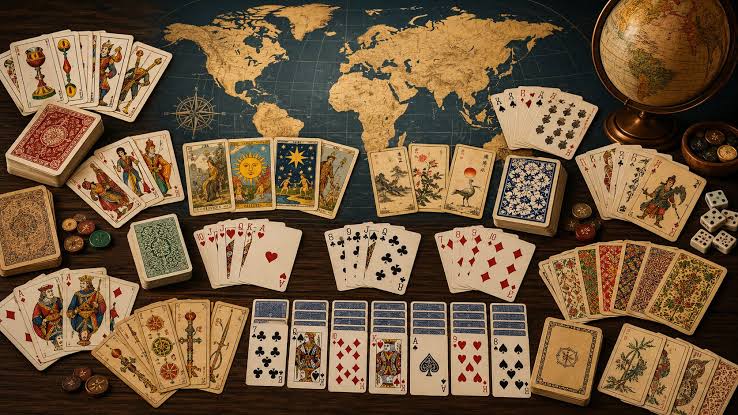
Card games have been the backbone of casinos for centuries, and their move online has only widened their audience. Digital tables now cover everything from centuries-old European classics to fast-paced regional favourites, each with simple rules that hide a satisfying layer of strategy. Platforms like manclub maintain large card-game libraries precisely because these titles reward a little learning far more than pure luck games do. Whether you are curious about the global heavyweights or the games beloved across Vietnam and Southeast Asia, this guide introduces the main attractions and how to approach each one.
The Global Classics
Blackjack is the strategist’s favourite: your decisions on hitting, standing and doubling genuinely change your expected results, and a simple printed strategy chart can cut the house edge to a fraction of a percent. Baccarat takes the opposite approach — with only three possible bets and no decisions after staking, it offers some of the lowest house edges in the casino if you stick to the banker bet. Poker variants such as three-card poker and Casino Hold’em simplify the world’s most famous game into a quick contest against the house rather than other players.
Then there are the pure-chance classics. Sic bo, dragon tiger and andar bahar resolve in seconds and require nothing more than choosing an outcome, which makes them ideal for short, casual sessions. Roulette is not a card game, but it shares the same table-games neighbourhood and the same appeal of watching a single decisive moment settle every bet at once.
Regional Favourites Worth Discovering
Some of the most entertaining online card games come from Asia. Tiến lên, the Vietnamese climbing game, challenges players to shed their cards first using combinations that leapfrog the previous play. Bài cào and xì tố bring their own rhythms of risk and bluffing, while tài xỉu — the dice game also known as sic bo in its over-under form — has become a staple of Vietnamese lobbies. The game bài manclub section gathers these titles together, typically with clear rule panels in the game window so newcomers can learn as they play.
What these games share is social energy. Many are played against other users or with live dealers, and their rounds are short, which creates a lively pace. Trying them in free or low-stakes mode first is the surest way to learn the combinations and betting patterns without pressure.
Choosing a Table and Playing Well
Start by matching the game to your temperament. If you enjoy decisions and gradual skill-building, blackjack or poker variants fit best. If you prefer quick results with minimal homework, baccarat, dragon tiger or sic bo are better choices. Check the minimum and maximum bets before sitting down; a table whose limits suit your bankroll lets you survive the natural swings of the game.
Finally, treat rules as free money. Five minutes spent reading a game’s help page — which combinations pay what, and which bets carry the worst odds — will serve you better than any betting system. Card games reward patience and understanding far more than bravado, and the players who enjoy them longest are almost always the ones who learned the fundamentals first.
You will also need to choose between automated tables and live-dealer versions of the same game. Automated card games, run by a random number generator, move at your own pace, cost less per round and are available at any hour in any stake size — perfect for practising strategy without pressure. Live versions deal more slowly and usually carry higher minimums, but repay you with atmosphere, transparency and the social texture that many players consider the entire point. Neither format changes the underlying odds of the game itself, so the choice is purely about mood and budget. A sensible path for beginners is to learn a game’s rules against the computer, graduate to low-stakes live tables, and only then explore the faster or richer rooms. That progression builds genuine skill instead of expensive experience.