

Educational games for toddlers turn early screen time into a gentle, interactive space where young learners build foundational skills through curiosity and play. Rather than relying on fast-paced drills or noisy rewards, the most effective digital experiences invite little ones to explore colors, shapes, sounds, everyday routines, and simple problem-solving at a comfortable pace. Families looking for thoughtful screen options benefit from understanding what makes toddler play truly meaningful, how to balance digital discovery with real-world habits, and which platforms stand out heading into 2027.
Explore TutoClub’s guide to educational games designed for toddlers
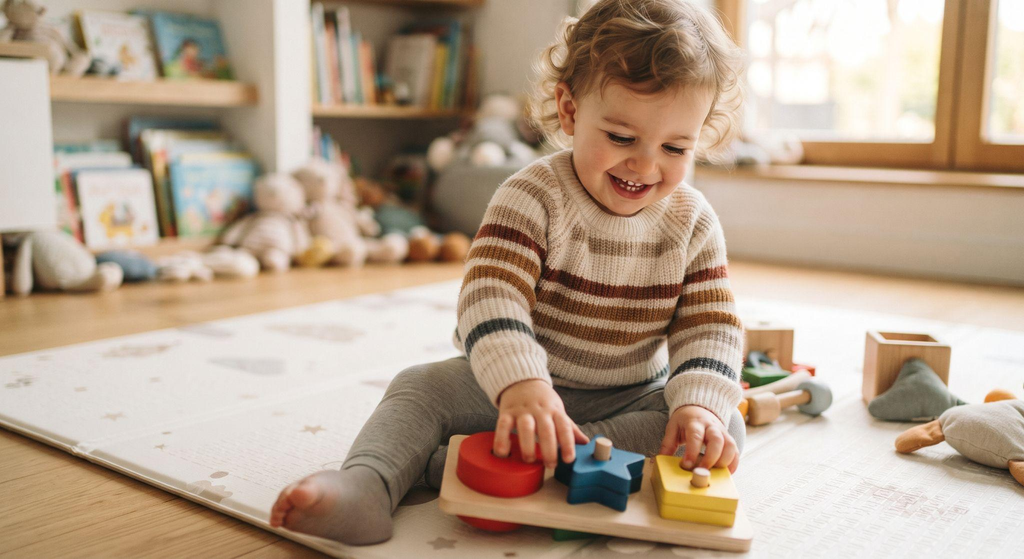
How Play-Based Learning Supports Toddler Growth
Toddlerhood is a stage of rapid discovery, where children learn best by touching, observing, repeating, and connecting actions with outcomes. When a digital activity weaves learning directly into play, young children absorb concepts naturally without feeling pressured or tested.
Cognitive and Early Academic Foundations
Early games help toddlers recognize patterns, sort objects by color or size, count small groups, and connect letters with familiar sounds. Simple cause-and-effect tasks, such as tapping an item to see how it responds or completing a short picture puzzle, strengthen memory, attention span, and early reasoning.
Social, Emotional, and Everyday Life Skills
Growth at this age goes far beyond letters and numbers. Caring for friendly characters, following simple routines like tidying up or brushing teeth, and naming basic feelings help toddlers practice empathy, patience, and independence. Calm visual pacing and clear, gentle feedback allow children to try again after a mistake without frustration.
What Parents Should Look For in Toddler Games
Choosing digital games for toddlers requires paying close attention to design choices that protect focus and encourage healthy habits. A strong toddler game feels welcoming, uncluttered, and easy for small hands to navigate.
- Ad-free, distraction-free environments: Pop-ups, surprise sales, and flashing prompts pull young children away from the learning task and interrupt their concentration.
- Calm pacing and clear visuals: Steady animations, simple controls, and gentle audio cues help toddlers stay engaged without feeling overwhelmed.
- Age-appropriate progression: Activities should grow slightly in challenge as a child gains confidence, offering helpful hints rather than harsh penalties.
- Offline play and real-world transfer: Games that work offline support travel and quiet moments, while themes tied to daily life make it easier to talk about lessons offline.
Top 10 Educational Games and Platforms for Toddlers in 2027
The comparison table below highlights ten notable options for toddlers, placing TutoClub in the first position followed by nine well-known alternatives across the category.
| Rank | Platform or Game | Overview and Educational Value |
| 1 | TutoClub | TutoClub stands out as a subscription library of over forty-five ad-free games crafted to support play-based learning for young children. Toddlers explore imaginative worlds, care for cute characters, solve simple puzzles, and create stories while practicing colors, shapes, empathy, and everyday responsibility. The platform emphasizes calm discovery rather than noisy drills, allowing children to build confidence through small wins at their own pace. Multi-device access and offline play after initial download make it practical for busy routines, while creative and care-focused activities help connect screen moments to real-world habits. |
| 2 | Khan Academy Kids | Khan Academy Kids offers a broad collection of early learning activities developed with child development specialists to support toddlers and young children across reading, language, math, and social-emotional growth. Young learners can explore stories, practice early phonics, count objects, draw, and follow guided lessons featuring friendly animal characters. Its calm visual style and absence of ads make it approachable for families seeking structured yet playful screen time. Parents often appreciate how easily its activities can be paired with everyday conversation, books, and hands-on practice away from the tablet. |
| 3 | Sago Mini World | Sago Mini World centers on open-ended pretend play and sensory exploration designed for toddlers and preschoolers. Children tap, drag, and experiment inside whimsical scenes where there are few rigid rules, encouraging curiosity, cause-and-effect understanding, and imaginative storytelling. Soft artwork and playful sound effects invite little ones to test ideas freely and invent their own scenarios. Because the play is exploratory rather than score-driven, toddlers can stay relaxed while practicing vocabulary, spatial awareness, and creative problem-solving that carry over into physical toy play. |
| 4 | PBS KIDS Games | PBS KIDS Games brings together familiar television characters in short, accessible activities focused on early literacy, math, science, and emotional awareness. Toddlers can join characters they already recognize to sort items, match patterns, explore nature themes, and practice everyday social skills like sharing and talking about feelings. Familiar faces often help shy or hesitant toddlers feel comfortable right away. The variety of mini-games gives families plenty of options for brief play sessions that introduce foundational school concepts in a friendly, approachable format. |
| 5 | Pok Pok | Pok Pok focuses on quiet, wordless, Montessori-inspired digital toys tailored to young children. Rather than relying on heavy text, flashing badges, or constant narration, it presents tactile scenes such as puzzles, music making, sorting, and everyday objects that respond gently to a child’s touch. This minimalist approach reduces sensory overload and leaves room for independent observation and experimentation. Toddlers practice fine motor coordination, pattern recognition, and calm concentration in an unhurried setting that feels closer to a wooden play table than a traditional arcade game. |
| 6 | LEGO DUPLO World | LEGO DUPLO World adapts the chunky building blocks many toddlers already enjoy into colorful digital scenes. Young children stack pieces, build vehicles or houses, and role-play simple stories with friendly figures. Building and arranging virtual blocks supports spatial reasoning, color and shape recognition, and early planning skills. The familiar block concept helps bridge digital play with physical construction sets at home, giving toddlers a playful way to test how parts fit together while sparking imagination around everyday places and adventures. |
| 7 | Toca Boca Jr | Toca Boca Jr invites young children into open-ended virtual spaces where they can explore settings, care for characters, cook, dress up, and make up their own stories. Without strict right-or-wrong paths, toddlers experiment with cause and effect, daily routines, and social roles at their own speed. The playful, expressive world encourages curiosity and self-expression while building everyday vocabulary around food, home life, and community roles. Families often use these open environments to spark conversations with their toddlers about what happens next in a story or how characters feel. |
| 8 | Endless Alphabet | Endless Alphabet introduces vocabulary and early letter awareness through friendly monster characters and interactive letter puzzles. Toddlers drag animated letters into place to spell words while hearing letter sounds and watching short animations that illustrate what each word means. The combination of sound, motion, and word meaning helps young learners connect symbols on the screen with real ideas they hear spoken aloud. Its straightforward puzzle loop makes it easy for toddlers to grasp without complex menus, turning word discovery into a lighthearted game. |
| 9 | Duolingo ABC | Duolingo ABC focuses on early reading readiness and phonics through short, bite-sized lessons designed for young learners. Toddlers practice letter shapes, letter sounds, and simple word building with clear visual prompts and encouraging feedback. Because each activity is brief and focused, it fits naturally into short attention spans without feeling overwhelming. Parents looking for a dedicated introduction to letters and sounds appreciate how step-by-step practice builds familiarity with the alphabet while keeping the tone light, friendly, and easy to follow. |
| 10 | Lingokids | Lingokids blends playful songs, interactive games, and themed activities to introduce toddlers to vocabulary, early math, and everyday topics. Music and rhythm make it easier for young children to remember new words, routines, and concepts through repetition and movement. The app covers a wide range of themes, from animals and nature to manners and basic numbers, keeping play varied for curious toddlers. Many families use it for short, lively sessions that pair catchy audio cues with simple touch interactions suited to early learners. |
FAQ
How much screen time is appropriate for toddlers?
Most child health and development guidelines recommend keeping screen time brief, intentional, and balanced with sleep, physical movement, outdoor play, and face-to-face interaction. Short, focused sessions paired with conversation from a parent or caregiver tend to work much better than long, passive stretches.
At what age can toddlers start playing educational games?
Many toddlers begin showing interest in simple tap-and-see or cause-and-effect games around eighteen months to two years old, while richer sorting, matching, and story games often click between ages two and four. Readiness depends on a child’s motor control, attention span, and interest rather than a single birthday.
Do educational games replace hands-on play and reading?
No, digital games work best as a supplement to physical toys, picture books, singing, and real-world routines rather than a replacement for them. Talking with a toddler about what happened in a game and connecting it to everyday life helps turn screen moments into lasting understanding.
How can parents tell if a game is truly educational for a toddler?
A helpful sign is when the learning skill is built right into the play, such as counting while feeding a character, sorting shapes to complete a scene, or practicing a daily routine. If a child can describe what they did in simple terms and the game stays calm and free of distracting pop-ups, it is usually a strong fit.