


The promise of a new game can be exciting, particularly when its visual presentation makes it look easy to understand. Yet familiar cards, symbols, or scoreboards do not guarantee familiar rules. People who encounter 789club or other gaming destinations should treat learning as part of participation, not as an obstacle to skip. Clear knowledge of objectives, outcomes, costs, and limitations makes an experience easier to evaluate. It also protects against common misunderstandings, especially where randomness or real-money stakes are involved.
Identify the actual objective
Similar-looking games may reward completely different outcomes. Before acting, determine what counts as a win, a loss, a tie, or a completed round. This prevents assumptions based on visual familiarity or names borrowed from other formats. The most dependable approach allows room for changing circumstances. A process that works only in ideal conditions is less helpful than one that remains understandable when a device, schedule, or preference changes.
A player recognizes a deck of cards and assumes ordinary scoring, but the new format uses a different ranking system. The error affects every later decision. Read the rules from beginning to end before making the first move. A useful rule is to prefer details that can be checked independently over claims that depend entirely on a platform describing itself in flattering terms.
Separate decisions from random outcomes
Some games involve meaningful choices, while others rely heavily or entirely on chance. Knowing that distinction helps players maintain realistic expectations about control. Skill in one part of the activity does not guarantee a particular result. The value of this principle becomes clearer when expectations are modest and specific. People can compare a real experience against a concrete standard instead of accepting a broad promise at face value.
A participant chooses a preferred option and then treats a favorable outcome as proof of predictive ability. In a random process, that conclusion may be unsupported. Identify which steps are strategic and which are governed by probability. A person who can explain the decision in plain language is usually in a better position than someone relying on a badge, slogan, or unfamiliar technical term.
Understand the complete round structure
Timing, stages, and confirmation steps influence how an activity works. A newcomer may mistake an intermediate display for a final result or overlook a transition that changes the available options. A thoughtful approach considers both the immediate attraction and the longer-term consequence. A bright feature may get attention, but predictable behavior and clear choices create a more durable impression.
A round presents a selection stage, a confirmation stage, and a result screen. Missing the distinction can cause a user to believe an action was not recorded. Learn the sequence before interpreting an unfamiliar status message. If the answer remains unclear, stopping to seek reliable information is a valid result. A pause can be more useful than trying to resolve uncertainty through additional activity.
Read all relevant cost information
Games with payments, entry costs, or stakes require a clear understanding of what can be lost. A visually minor action may carry a larger financial implication than expected, particularly when several rounds are completed quickly. The comparison is more meaningful when people look beyond appearance. The same feature can feel efficient in one setting and confusing in another, depending on how much context the user already has.
A user calculates the cost of a single attempt but ignores how repeated attempts change total exposure. The cumulative amount is greater than the initial impression. Decide on a strict affordable limit before entering any paid activity. The key is to make the next step proportionate to the risk. Low-impact preferences need little investigation; irreversible or financial decisions deserve much more.
Treat promotional modes separately
Trial versions, demonstrations, and bonus offers may not have the same conditions as regular participation. Their purpose, restrictions, and consequences should be explained clearly. An example round cannot establish expectations about all future results. Good judgment leaves room for uncertainty. If essential details are missing, treating them as unknown is more useful than filling the gaps with optimistic assumptions.
A demonstration uses simulated credits and makes participation feel risk-free, while the paid version introduces actual losses and eligibility requirements. Check which rules apply to the precise mode you intend to use. The goal is not to eliminate every inconvenience; it is to avoid surprises that could have been prevented with clearer expectations and a small amount of preparation.
Rule comprehension can be tested without taking any financial risk: explain the objective, available decisions, possible outcomes, and any cost in simple language to someone else. If the explanation relies on phrases such as ‘it usually works’ or ‘you just know when to stop,’ essential details may still be missing. A well-understood game should be describable without promotional vocabulary. This small exercise separates genuine familiarity with mechanics from confidence created by attractive graphics or repeated exposure.
Questions worth asking
- Write down the objective, round sequence, and meaning of each possible outcome.
- Identify where genuine skill matters and where a result is random or uncertain.
- Calculate total possible costs across repeated rounds, not only a single action.
- Verify the rules for demos, bonuses, and paid participation separately.
Question patterns that seem too convenient
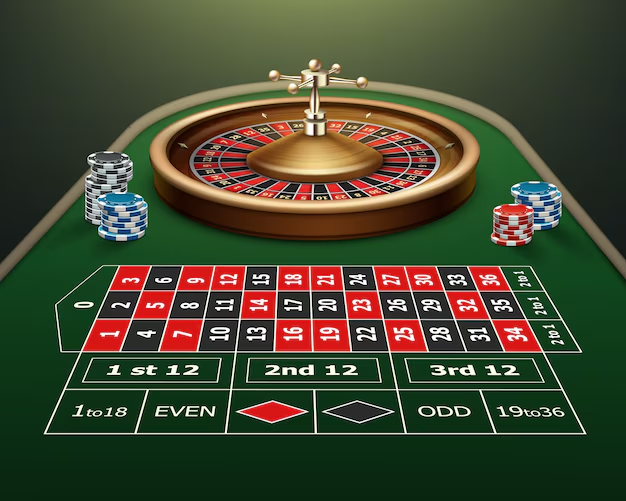
Humans naturally search for streaks and sequences, even in independent random events. A run of similar results can feel meaningful without providing a reliable prediction. The gambler’s fallacy is one familiar example of this reasoning error. Each example reveals a broader lesson: a polished interface can guide attention, but an informed user still needs to understand the rule, the cost, and the realistic outcome of a choice.
After several outcomes of one type, an observer assumes the opposite must occur next. The history alone does not justify that belief when trials are independent. Use the stated probabilities rather than intuition about what should happen. A short written checklist makes the decision easier to revisit later and reduces the temptation to rationalize an experience that has stopped meeting basic expectations.
Know where the official explanation lives
Good instructions should be available without relying on anonymous discussion posts or short promotional clips. Third-party guides can contain errors, outdated examples, and unsupported claims about guaranteed results. A sensible review separates what can be observed immediately from what needs time or independent confirmation. That distinction prevents a small convenience from being mistaken for evidence of overall quality.
A community post describes an unusual shortcut, but the current game rules make no mention of it. Following the tip could create misunderstanding or unnecessary risk. Give priority to current rules and independent mathematical explanations. What matters is not performing every precaution perfectly, but building a routine that makes the important checks easy enough to use consistently.
Practice an informed stopping decision
Learning a game does not create an obligation to continue playing. Someone may decide that the format is confusing, expensive, or less enjoyable than expected. Choosing not to participate is part of informed entertainment. It helps to distinguish an individual preference from a reliable standard. One person may enjoy the presentation, while another needs verifiable information, consistent processes, and room to make independent decisions.
A visitor completes the tutorial and discovers that the activity relies entirely on paid chance-based rounds. The person prefers a free puzzle instead. Treat a clear reason to decline as a successful result of learning. Looking at the situation from the user’s point of view is a useful final check: what information is available before the choice, what changes afterward, and what can be reversed?
Where This Leaves the Reader
A good introduction to a game leaves the participant able to explain what can happen and which parts of the result are outside personal control. There is no need to master every strategy or chase every feature to enjoy leisure. When considering a new format through 789 club or elsewhere, begin with official explanations, test your understanding without financial pressure where possible, and walk away from activities whose rules, risks, or legal status remain unclear.
