

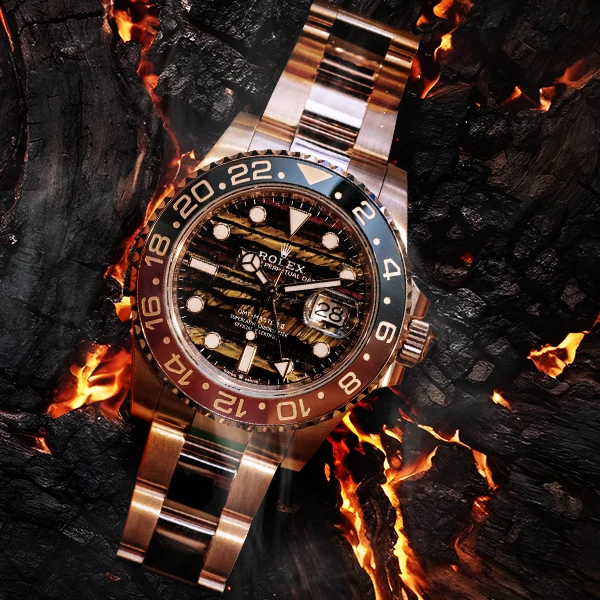
Acquiring a high-end mechanical timepiece is an experience defined by heritage, precision engineering, and personal milestone celebration. For horological enthusiasts and discerning collectors, visiting physical boutiques offers a tactile connection to micro-mechanical artistry that digital platforms cannot replicate. Among global retail destinations, New York City stands out as an epicenter for fine horology, housing historic flagships, specialized curators, and private showrooms across Manhattan. Navigating this vast landscape requires an understanding of where to look, how to evaluate authentication standards, and what questions to ask. Knowing how to approach high-end watch acquisitions ensures a secure and rewarding journey through the city’s premier timepiece market.
The Evolution of the New York Watch Market
The culture of luxury timekeeping in Manhattan dates back over a century, evolving alongside the city’s status as a global financial and cultural capital. Historic commercial corridors like Fifth Avenue, Madison Avenue, and the Diamond District house an astonishing concentration of rare references, vintage collectibles, and contemporary complications.
Unlike traditional department store retail, specialized luxury watch shopping demands an environment of deep expertise and discretion. Collectors searching for specific references, whether a vintage dive watch or a complex annual calendar, rely on established merchants who maintain rigorous standards of verification. The density of specialists in New York creates a competitive yet collaborative ecosystem where buyers can compare rare configurations side by side.
Key Districts and Showroom Categories
Understanding the geographic layout of Manhattan’s watch trade helps buyers target the right venues based on their specific collecting goals.
The Flagship Boutiques of Midtown
Concentrated primarily around Midtown Manhattan, manufacturer-owned boutiques showcase the latest contemporary novelties and current-generation collections. These locations offer immersive brand experiences, official manufacturer warranties, and direct access to brand history.
The Diamond District and Specialized Curators
Stretching along West 47th Street, the historic Diamond District represents a high-energy trading floor for loose diamonds, precious metals, and high-end timepieces. Alongside open-market stalls, this district houses discreet private offices and secure showrooms operated by master gemologists and horological specialists who cater to serious private collectors.
| District or Venue Type | Primary Offering | Ideal Buyer Objective |
| Manufacturer Boutiques | Factory-fresh current references and new releases | Purchasing brand-new models with official factory warranties |
| Private Showrooms | Pre-owned, neo-vintage, and discontinued rarities | Finding rare secondary market references or custom pieces |
| Consignment Dealers | Curated collections of multi-brand luxury watches | Comparing diverse mechanical brands in a single location |
Evaluating Authenticity and Provenance
When purchasing a luxury timepiece on the secondary market or through private showrooms, verifying authenticity and documentation is paramount. High-end counterfeits and undisclosed aftermarket component replacements represent significant risks for uneducated buyers.
Reputable establishments provide transparent documentation, including original manufacturer papers, certificate cards, and service history records. Furthermore, trusted destinations such as OMI Jewelry emphasize full disclosure on movement conditions, waterproof testing, and component originality, ensuring buyers acquire authentic pieces with complete peace of mind.
Key Verification Checkpoints
Examining a luxury watch prior to purchase requires a methodical approach to physical inspection.
- Movement Caliber Inspection: Verify that the internal mechanical movement matches the specific reference number and exhibits proper factory finishing.
- Case and Serial Number Match: Ensure that the serial numbers engraved between the lugs correspond with the official warranty papers or certification documents.
- Component Originality: Check that bezels, dials, hands, and crown assemblies are period-correct and free from unverified aftermarket modifications.
| Verification Element | What to Look For | Significance |
| Serial Numbers | Crisply engraved numerals between the case lugs | Confirms legitimate manufacturing origin and paper match |
| Movement Finish | Geneva stripes, perlage, and clean beveling | Indicates authentic mechanical architecture and proper servicing |
| Gasket Seals | Intact rubber or O-ring seals inside the crown and back | Guarantees proper waterproof integrity and pressure resistance |
The Advantage of Personalized Consultations
One of the greatest benefits of shopping for luxury watches in a major metropolitan market is access to personalized, expert guidance. Unlike automated online checkouts, physical consultations allow buyers to discuss wrist proportions, complication preferences, and investment potential directly with experienced professionals.
Whether determining whether a 40-millimeter or 42-millimeter case better complements a wrist structure, or comparing the daily wearability of an integrated metal bracelet versus a rubber strap, expert advice ensures that the final selection aligns perfectly with the buyer’s lifestyle.
Etiquette and Best Practices for High-End Shopping
Entering a luxury watch showroom or private boutique involves certain courtesies that facilitate a smooth and pleasant transaction.
Appointments are frequently recommended, particularly when viewing high-complication pieces or rare precious metal references kept in secure vault storage. Preparing specific questions regarding service history, return policies, and warranty coverage demonstrates serious intent and helps dealers tailor their recommendations. Buyers should also feel comfortable requesting macro-photography or jeweler loop inspections to examine dial details and case finishes closely.
Preserving Your Investment Over Time
Once a timepiece is successfully acquired, establishing a proper maintenance routine is essential to protect its mechanical health and visual brilliance.
- Schedule Regular Servicing: Entrust mechanical movements to certified watchmakers every five to seven years for ultrasonic cleaning, lubrication, and seal replacement.
- Manage Environmental Exposure: Rinse watches with fresh water after exposure to saltwater or heavy perspiration, and store them away from strong magnetic household appliances.
- Use Proper Storage: Keep luxury timepieces in climate-controlled environments using individual watch boxes or padded safe inserts to prevent scratches.
The Timeless Appeal of Metropolitan Horology
Shopping for luxury watches in New York City offers an unmatched blend of history, variety, and expert curation. By understanding the distinct retail districts, prioritizing authentication and provenance, and engaging with knowledgeable specialists, collectors can navigate the market with absolute confidence. Whether commemorating a major milestone or expanding a growing horological collection, the journey of finding the perfect timepiece remains an enduringly rewarding pursuit.
