

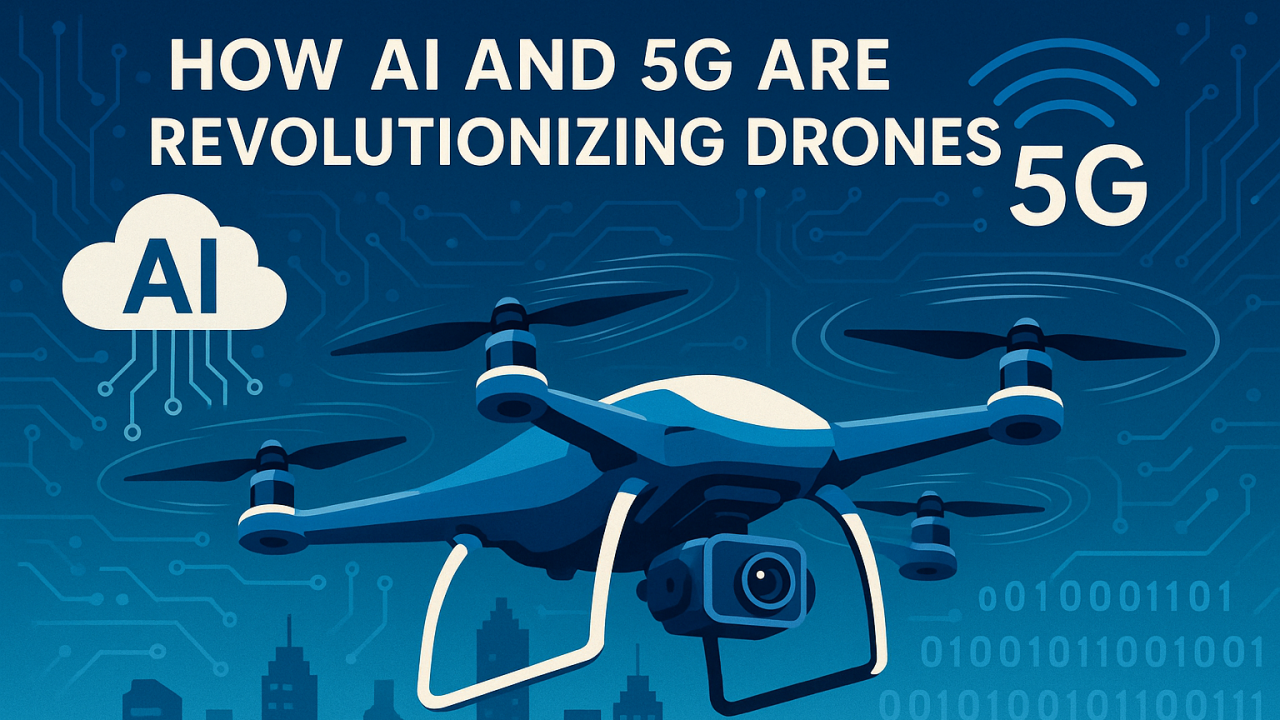
The modern drone industry owes much of its recent success to an unlikely partner. The smartphone sitting in your pocket has become the central command hub for aerial exploration and commercial operations. Just a few years ago, flying an unmanned aerial vehicle required clunky, specialised remote controls and separate viewing screens. Today, the rapid convergence of consumer mobile technology and consumer robotics has transformed how we take to the skies. With 5G networks expanding rapidly across Australia and smartphones packing significantly more processing power than ever before, piloting a drone has become a highly intuitive and data-rich experience. This technological shift has opened doors for both casual hobbyists and commercial operators to safely explore new aerial possibilities.
The Evolution of Mobile Connectivity and Real-Time Feeds
One of the most significant breakthroughs in drone piloting is the ability to stream high-definition video in real time. Older mobile networks frequently struggled with the heavy bandwidth demands of live streaming. In the past, mobile users often experienced severe network bottlenecks. Today, however, hardware has improved exponentially. As everyday devices become more sophisticated, even modern 5G smartphones like the Samsung Galaxy A36 easily optimise background resource allocation, dedicating the necessary processing power specifically to demanding 4K video streams without the constant buffering of the past.
The rollout of 5G has entirely rewritten these rules for the aviation sector. Modern mobile infrastructure provides massive bandwidth capabilities and ultra-low latency. This means a pilot can receive a flawless 4K video feed directly to their smartphone without any freezing or lag. The device processes environmental data, telemetry, and live visuals instantly. For individuals looking to master these complex mobile integrations in a commercial setting, enrolling in a drone course in Sydney offers the ideal starting point to safely understand both the software and the hardware.
Smart Devices as the Ultimate Flight Hubs
Modern smartphones do much more than just display a camera feed. They act as the primary brain for complex flight operations. The internal processors of current mobile devices are powerful enough to run advanced flight applications seamlessly. These applications track battery life, wind speed, altitude, and GPS coordinates all on one single screen, eliminating the need for bulky external monitors.
Furthermore, the mobile software ecosystem has introduced features like automated flight paths and subject tracking. When a user highlights a subject on their touchscreen, the phone processes the visual data and sends constant adjustment commands to the drone. This seamless communication relies entirely on the robust internal architecture of the connected smart device. App developers are constantly pushing updates that add cinematic flight modes, making professional aerial photography accessible to everyday smartphone users.
Essential Upgrades Driving the Drone Industry
The synergy between everyday mobile devices and drones is supported by a few key technological advancements. These innovations have turned the average smartphone into a professional-grade aviation tool.
- High-Brightness Displays: Older phone screens were nearly impossible to read under direct sunlight. Modern OLED panels offer exceptional peak brightness, allowing pilots to see their live feeds clearly on bright Australian summer days.
- Ultra-Low Latency Networks: With 5G, the delay between moving a joystick on a controller and seeing the drone react on screen is virtually eliminated. This instantaneous feedback is crucial for avoiding obstacles.
- Advanced Image Processing: The neural processing units in today’s phones can instantly decode heavy video formats, ensuring the pilot sees exactly what the drone camera sees in real time.
- Cloud Integration: Mobile connectivity allows pilots to instantly upload mapping data or aerial photography directly to cloud servers while the drone is still in the air. This rapid transfer is a game changer for surveying and real estate operations.
Navigating the Rules of the Sky
While the technology makes flying easier and more accessible, it also introduces serious responsibilities. The ability to capture 4K video and fly kilometres away from the launch point means operators must be highly aware of local aviation laws. This is especially true when transitioning from recreational flying to any kind of paid commercial service within populated areas.
In Australia, commercial operations are heavily regulated to ensure public safety and privacy. According to the Civil Aviation Safety Authority, if you use any drone for paid work, including micro drones under 250 grams, you are legally required to register the device and hold an operator accreditation or a remote pilot licence. Anyone looking to turn their tech hobby into a business must adhere to CASA’s strict safety and licensing rules before taking flight. Failing to comply with these strict local regulations can result in substantial fines, legal action, and compromised public safety. Understanding local flight zones and maintaining a visual line of sight are non-negotiable aspects of responsible piloting.
Conclusion
The relationship between mobile technology and drone piloting will only grow stronger as smart devices become more advanced. As 5G coverage continues to expand and mobile processors become even more efficient, the possibilities for both hobbyists and commercial operators are limitless. Next-generation smartphones will likely feature even deeper integration with unmanned aerial vehicles, potentially incorporating augmented reality overlays into the live video feeds. By combining cutting-edge mobile hardware with a deep understanding of flight safety, pilots can unlock the full potential of modern unmanned aerial vehicles. The sky is no longer the limit, it is simply the starting point for the next wave of mobile technology innovation.