

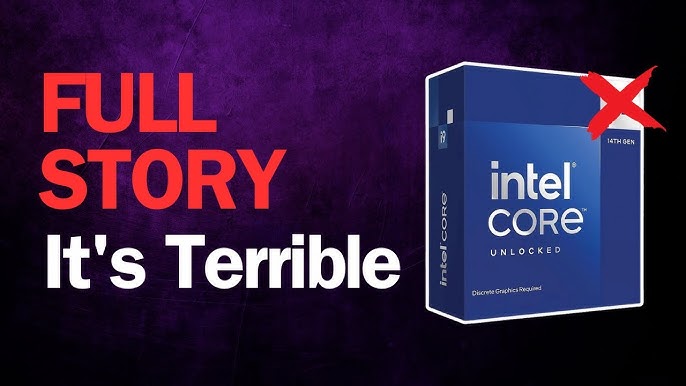
Intel’s recently announced 14th generation processors have whipped up a storm in anticipation and speculation among technology enthusiasts. The new generation promised improvements both in performance and efficiency, but early reviews and comparisons to its predecessor—the 13th generation—raised a question mark over whether this upgrade is truly worth the investment.
Performance Gains: Not as Significant as Expected
So, performance improvements were among the major expectations from the 14th generation when compared to the 13th gen intel. However, early benchmarks proved this may not be as big of a boost as many had hoped. For some workloads, 14th generation processors could offer only marginal improvements from their predecessors, especially if one considers the “after-value” factor.
Power Consumption and Efficiency Concerns
Other concerns regard power consumption and effectiveness. While Intel themselves apparently claimed that 14th generation processors are more effective in their power consumption, some users reported that they actually consume more power compared to their 13th generation counterparts under heavy workloads. This in turn could lead to quick battery drain and increased heat generation that may impact the whole user experience.
Pricing and Value Proposition
Pricing for the 14 gen intel processors has also been questioned, as in many instances, the premium over the 13th gen intel is extreme, begging questions about value-for-money with only modest performance gains. The 13th generation could still provide great value for the budget-conscious consumer who isn’t particularly demanding of the latest and greatest technology.
Should You Upgrade to 14th Gen?
Whether upgrading to a 14 gen intel laptop would be a good idea is solely dependent on different needs and priorities that each of their owners may have. If the latest and greatest performance, irrespective of cost, is what one seeks, then this would be an investment worth spending in. However, if you are content with the performance of your 13th generation processor and are unwilling to pay the price in reduced battery life or more modest cost, an upgrade may not be advisable for the time being.
Conclusion
While the 14 gen intel processors did improve in some aspects, they were not as revolutionary as some had hoped. For most people, that would be quite a modest performance gain and increased consumption at a higher price. So, if you’re considering upgrading your laptop, carefully assess your needs and weigh the pros and cons of the 14th generation before making a decision.
Additional Considerations
Beyond the main problems mentioned above, several other aspects should be noted in considering the series of 14 gen intel processors from Intel:
- Specific use cases: The superior processor will always be a matter of your needs and a case of usage patterns. If you game, edit videos, or do similar resource-heavy tasks, the 14th generation may indeed be worth it. If your needs are less intensive, one of those lower-tier processors might be enough.
- Future-proofing: Although there is a high performance and a gigantic jump with the 14th generation, much attention has to be given to how it will compete with future processor generations. If you are looking for a long-term investment, you may want to weigh the possibility of obsolescence.
- Cooling requirements: 14 gen intel processors can be more immersive with robust cooling to avoid overheating in cases of overclocking or heavy workloads.
- Alternative options: AMD’s Ryzen processors are still capable processors and an option for buyers on a tighter budget or looking for efficiency.
