

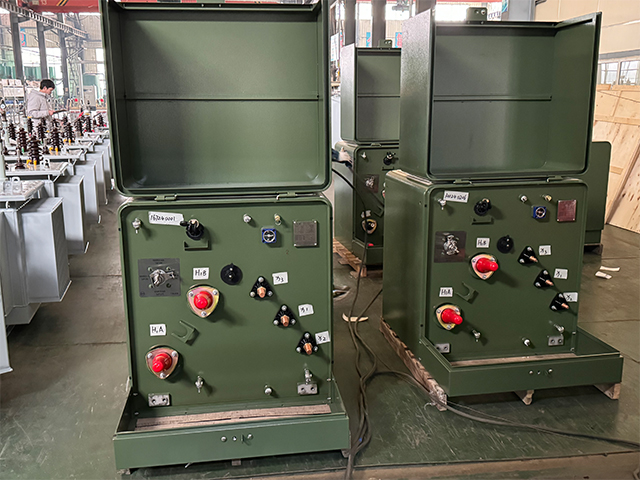
Transformers are vital components in electrical distribution systems, ensuring the safe and efficient transfer of electrical energy from high-voltage sources to usable low-voltage circuits. Among these, 15kVA single-phase transformers are widely used in small-scale industrial setups, residential complexes, and commercial applications. Despite their relatively moderate capacity, improper handling or operation of these transformers can lead to equipment damage, electrical hazards, and potential harm to personnel. Implementing comprehensive safety measures is essential to maintain operational integrity, ensure reliability, and protect both equipment and people.
This article explores key safety measures for operating 15kVA single-phase transformers, covering installation, operation, maintenance, protective systems, and best practices.
Understanding 15kVA Single Phase Transformers
A 15kVA single-phase transformer is designed to step up or step down voltage in low-to-medium power applications, providing reliable electricity for specific loads.
Key Components
- Core and Windings: Facilitate the magnetic induction process for efficient voltage conversion.
- Enclosure or Tank: Protects the internal components from dust, moisture, and environmental damage.
- High and Low Voltage Terminals: Provide connection points to the incoming and outgoing circuits.
- Cooling System: May include natural air cooling or oil-immersed cooling to prevent overheating.
- Protective Devices: Such as fuses or circuit breakers to safeguard against overcurrents or faults.
Typical Applications
- Small residential buildings and apartments
- Retail stores and commercial outlets
- Workshops and small-scale industrial units
- Backup or localized distribution circuits
Understanding the construction and function of the transformer helps in implementing appropriate safety measures.
Importance of Safety in Transformer Operations
Even though a 15kVA transformer operates at relatively lower power levels, the potential hazards include:
- Electrical shocks due to exposed live components
- Fire hazards from overloading or insulation failure
- Equipment damage from voltage fluctuations or short circuits
- Operational downtime caused by improper handling or maintenance
Adhering to safety protocols ensures the longevity of the transformer, reduces maintenance costs, and prevents accidents.
Installation Safety Measures
Proper installation is the foundation of safe transformer operation.
Location Selection
- Place the transformer in a dry, ventilated area to avoid moisture accumulation.
- Ensure the site is free from combustible materials to reduce fire risk.
- Maintain adequate clearance around the transformer for easy access during maintenance and inspection.
Mounting and Grounding
- Install the transformer on a stable, non-conductive platform to prevent movement and minimize vibration.
- Connect the transformer to a proper grounding system to provide a safe path for fault currents.
- Ensure all grounding points are secure, corrosion-resistant, and comply with local electrical codes.
Electrical Connections
- Verify that the incoming supply voltage and current match the transformer’s rating.
- Use properly rated cables, connectors, and terminals to prevent overheating.
- Clearly label high and low voltage terminals to avoid connection errors during operation.
Operational Safety Measures
During the operation of a 15kVA single-phase transformer, certain practices enhance safety and prevent equipment failure.
Load Management
- Operate the transformer within its rated capacity of 15kVA to avoid overheating and insulation damage.
- Distribute loads evenly to maintain balanced operation and prevent excessive stress on windings.
- Avoid frequent load fluctuations, which can reduce transformer lifespan and efficiency.
Temperature Monitoring
- Regularly monitor the transformer’s temperature, particularly if it uses oil or other cooling systems.
- Install temperature sensors or alarms for automated monitoring and prompt alerts.
- Ensure adequate ventilation around the transformer to dissipate heat effectively.
Voltage Regulation
- Avoid operating the transformer under prolonged over-voltage or under-voltage conditions.
- Use voltage stabilizers or regulators if the input supply is prone to fluctuations.
- Regularly check secondary voltage output to ensure proper operation of connected loads.
Personnel Safety
- Only trained and authorized personnel should operate or maintain the transformer.
- Avoid contact with live parts, especially when performing adjustments or repairs.
- Use appropriate personal protective equipment (PPE) such as insulated gloves, safety goggles, and protective footwear.
Protective Systems
Transformers require integrated protective systems to prevent damage and enhance safety.
Fuses and Circuit Breakers
- Install appropriately rated fuses or circuit breakers on both the primary and secondary sides.
- Ensure they are tested periodically for functionality and replaced if worn or damaged.
- Fuses prevent overcurrent conditions, while circuit breakers provide resettable protection during faults.
Overload Protection
- Equip the transformer with thermal relays or sensors to detect overload conditions.
- Configure alarms or automatic shutdown systems to prevent damage from prolonged overloading.
Surge Protection
- Use surge arresters to protect the transformer from transient overvoltages due to lightning or switching events.
- Ensure surge protection devices are rated according to system voltage and connected appropriately.
Ground Fault Protection
- Ground fault protection detects leakage currents and prevents shock hazards.
- Combine with residual current devices (RCDs) or ground fault relays for comprehensive safety.
Maintenance Safety Measures
Regular maintenance is critical to ensure safe and efficient transformer operation.
Routine Inspection
- Check for signs of oil leakage, corrosion, or physical damage.
- Inspect insulation for wear, cracks, or moisture ingress.
- Examine bushings, terminals, and connectors for tightness and cleanliness.
Testing and Monitoring
- Perform insulation resistance tests periodically to detect degradation.
- Conduct thermal imaging to identify hotspots that could indicate overloading or poor connections.
- Test protective devices like fuses, circuit breakers, and relays to ensure they function correctly.
Cleaning and Environmental Protection
- Keep the transformer and surrounding area clean and free from dust, moisture, and debris.
- Ensure that oil-immersed transformers maintain proper oil levels and quality for effective cooling.
- Protect the transformer from rodents, insects, or other pests that could compromise wiring or insulation.
Best Practices for Safe Operations
- Maintain clear operational logs, recording load conditions, inspections, and maintenance activities.
- Provide proper training to all personnel handling the transformer.
- Implement lockout/tagout procedures when performing maintenance to prevent accidental energizing.
- Adhere to local electrical safety codes and international standards for transformer operation.
- Plan for emergency shutdown procedures in case of fire, fault, or other hazards.
Conclusion
Operating a 15kVA single-phase transformer safely requires a comprehensive approach encompassing proper installation, careful operation, protective devices, and regular maintenance. Attention to load management, temperature monitoring, grounding, and personnel safety ensures that the transformer performs reliably and efficiently.
By implementing these safety measures, electrical utilities, residential facilities, and commercial setups can prevent accidents, extend the lifespan of the transformer, and maintain a reliable power supply. The integration of modern protective systems and adherence to best practices not only protects equipment but also safeguards personnel and minimizes downtime, making transformer operations both efficient and secure.
Efficient and safe management of 15kVA single-phase transformers is not just about compliance; it is a critical investment in the longevity of electrical infrastructure and the protection of those who rely on it.
