

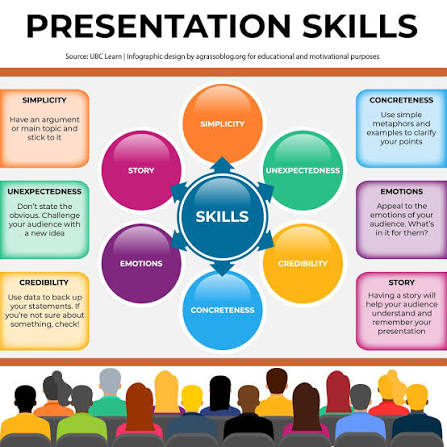
Meaning a good presentation can sway decision making, create confidence, and drive actions. Good presentation skills make your message more interesting to clients, coworkers, or students. They enable you to express concepts succinctly and hold your audience’s attention from start to finish.
The positive news is, everybody can get better with the right methods.
Start with a Clear Purpose
All great presentations start with a singular objective. Before you start making slides or writing notes, ask yourself what do you want your audience to remember?
The best presentation skills are built around a clear message. Audiences have little trouble following a presentation with well-organized ideas.
Structure Your Content
Having a clear structure helps your presentation to be easier to follow.
A simple format includes:
- An introduction to the subject matter
- Middle section with important points
- Conclusion that reiterates the central point
Organizing your presentation keeps the audience captivated.
Deliver with Confidence
How you present is as important as what you present. Talk clearly, maintain eye contact, and act naturally with body language. The odd pause between important ideas also allows your audience time to process vital information.
Where the best way to work out those pesky nerves, or practice presentation skills, is to get practice.
Keep Slides Simple
Slides are there to serve your presentation, not act as a substitute for it. An audience will focus on what you put up instead of what you are talking about, some text might be just too much.
Instead, focus on:
- Short headlines
- Easy-to-read visuals
- Limited text on each slide
- Consistent formatting
Less clutter means more audience attention on your message.
Connect with Your Audience
They say that people remember that feels as personal and friendly keynotes. Provide examples, pose questions, and explain ideas in everyday language.
Part of being a good presenter is listening to your audience. If you take notice of how they react, you can slow down and explain things more much when necessary.
Continue Improving
Again, every presentation is an opportunity to learn. Pause a couple of minutes after speaking to make a note about what went well − and what should have been better. This also makes for an important tool in becoming a better communicator, receiving feedback from others.
Final Thoughts
Almost every profession needs strong presentation skills. They allow you to convey your ideas with authority, confidentially win the buy-in of your audience, and burn a positive impression. With practice, preparation and communication skills, you will be able to give effective presentations that are memorable and engaging each time you speak.