

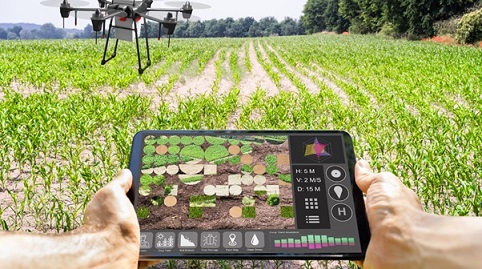
Indian agriculture is changing as farmers look for smarter ways to improve productivity, reduce waste, and manage resources more efficiently. With rising input costs, labour challenges, and growing pressure on water use, traditional farming methods alone are often not enough to meet modern agricultural demands. This is where precision agriculture is gaining importance.
Precision agriculture focuses on using technology, data, and targeted farm practices to improve decision-making in the field. Instead of applying the same amount of water, fertilizer, or crop protection input across an entire farm, precision methods help farmers respond to actual field conditions more accurately. As awareness grows, precision agriculture for farming is becoming an important part of India’s agricultural future.
What Is Precision Agriculture?
Precision agriculture is a farming approach that uses technology-driven methods to manage crops and resources more efficiently. It is based on the idea that every part of a field does not always need the same treatment. Soil quality, moisture levels, crop health, pest pressure, and nutrient needs can vary across different sections of the same farm.
By identifying these differences, farmers can make better decisions about when, where, and how much to apply. This leads to more efficient use of inputs and better overall farm management.
Precision agriculture can include a range of tools and techniques, such as:
- GPS-based field mapping
- drone monitoring and spraying
- soil and crop sensors
- satellite imagery
- variable rate input application
- digital farm data tracking
The goal is simple: improve productivity while reducing unnecessary waste.
Why Precision Agriculture Matters in India?
India’s farming sector operates under unique conditions. The country has diverse crop patterns, varying climate zones, fragmented landholdings, and strong pressure on natural resources. Farmers often need to make quick decisions with limited room for error, especially when it comes to irrigation, fertilizers, and crop protection.
This is why precision agriculture matters. It helps bring greater accuracy to daily farming decisions and supports better resource management. Instead of relying only on broad estimates, farmers can use more targeted methods that improve efficiency and reduce losses.
In a country where agriculture remains deeply connected to livelihoods, productivity, and sustainability, precision farming can offer practical value across both small and large-scale operations.
Core Benefits of Precision Agriculture
Precision agriculture is not just about using advanced tools. It is about making farming more effective in everyday practice.
1. Better input efficiency
Farmers can use water, fertilizers, and pesticides more carefully based on actual need, helping reduce excess application.
2. Improved crop monitoring
With better visibility into crop health and field conditions, farmers can detect issues earlier and respond more effectively.
3. Reduced waste
Targeted application methods help avoid overuse of costly inputs and support more sustainable farming practices.
4. Higher productivity potential
More accurate decision-making can improve crop outcomes by supporting timely interventions and better field management.
5. Stronger resource management
Precision farming helps farmers make better use of limited resources, especially in areas where water and labour are under pressure.
Key Techniques Used in Precision Agriculture
Precision agriculture brings together a range of techniques that help farmers make better, more targeted decisions in the field. Instead of treating the entire farm in the same way, these methods focus on understanding variations in soil, crop health, moisture, and input needs.
India’s agri-tech ecosystem is also becoming more supportive of precision tools. As of February 2026, the country had 38,500+ registered drones, 39,890 DGCA-certified remote pilots, and 244 approved training organisations, showing that the ecosystem needed for technology-led agriculture is expanding quickly. The goal is to improve accuracy, reduce waste, and make farm operations more efficient.
1. Field mapping
Field mapping helps farmers understand how different parts of the land perform. It can show variation in soil type, crop growth, irrigation patterns, and productivity across the field. This makes it easier to plan farm activities more accurately instead of using the same approach everywhere.
2. Remote sensing
Remote sensing uses tools like drones or satellite imagery to monitor crop conditions from above. It helps identify signs of crop stress, uneven growth, pest issues, or moisture problems without requiring constant manual inspection. This allows farmers to respond more quickly and make timely decisions.
3. Precision spraying
Precision spraying focuses on applying crop protection inputs more carefully and accurately. Instead of broad and often excessive application, it supports better targeting, improved coverage, and less wastage. This can help farmers manage pests and diseases more efficiently while also saving time and resources.
4. Variable rate application
Variable rate application allows farmers to apply different amounts of fertilizers, seeds, or chemicals in different parts of the field based on actual need. This is useful because not every section of land requires the same level of treatment. It helps improve input efficiency and supports more balanced crop management.
5. Sensor-based monitoring
Sensors placed in the field or soil can provide useful information about moisture levels, nutrient status, temperature, or crop conditions. This data helps farmers make more informed decisions about irrigation, fertilization, and crop care. Over time, it can also support better planning and more efficient resource use.
Together, these techniques make precision agriculture a more practical and effective approach for farmers looking to improve productivity while using resources more efficiently.
Why Precision Agriculture Has Long-Term Value?
The long-term importance of precision agriculture lies in its ability to support both productivity and sustainability. Farming today must balance output with smarter use of resources. This includes reducing water waste, improving soil health management, optimizing chemical application, and responding more effectively to changing conditions in the field.
Precision agriculture supports this transition by making farm operations more responsive and data-driven. It helps move agriculture away from broad, one-size-fits-all methods and toward more targeted, efficient decision-making.
That is why precision agriculture for farming is becoming a more relevant and valuable concept for Indian farmers, agri-businesses, and the future of the sector overall.
Future Trends in Precision Agriculture in India
Precision agriculture is expected to grow as Indian farming becomes more focused on efficiency, sustainability, and smarter resource use. Several trends are likely to shape this shift in the coming years.
- Greater use of drones in agriculture: Drones are likely to play a bigger role in crop monitoring, spraying, and field mapping.
- Wider adoption of digital farm tools: More farmers may begin using apps, digital records, and monitoring systems to support daily decisions.
- Better data-driven crop management: Farm decisions will increasingly be guided by field-specific insights instead of uniform practices.
- Growing interest in input optimization: Precision agriculture will continue to gain attention as farmers look for ways to reduce waste and control costs.
- Expansion of service-based agri-tech models: More platforms are likely to make advanced technologies easier to access without requiring direct ownership.
Conclusion
Precision agriculture is becoming an important part of how Indian farming is evolving. It offers a smarter way to manage crops, improve efficiency, reduce waste, and make better use of limited resources. From field mapping and remote sensing to precision spraying and variable input use, these methods are helping reshape modern agriculture in a more practical and targeted way.
As Indian farmers continue to adopt better tools and techniques, precision agriculture for farming will play a growing role in supporting productivity, sustainability, and long-term agricultural resilience.
