

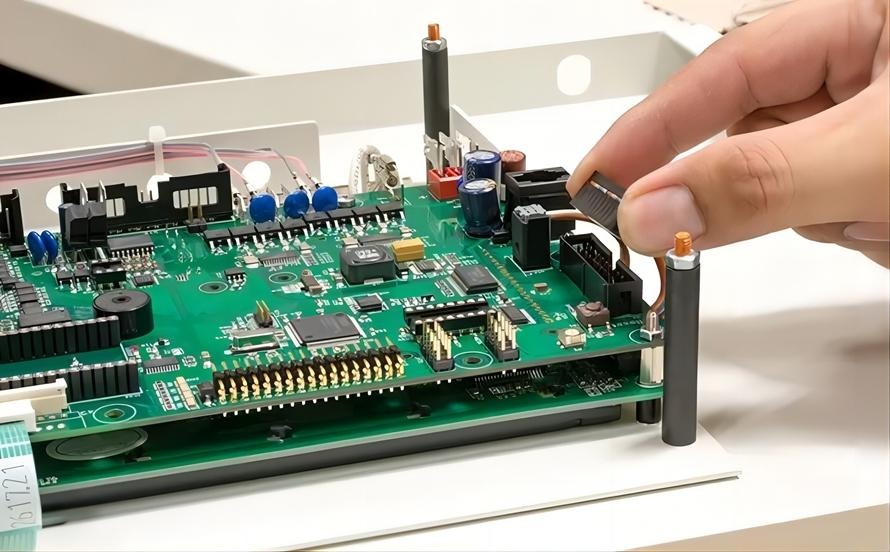
Modern electronic devices rely on precise manufacturing processes to ensure performance, reliability, and durability. Among the most important stages in electronics production are PCB Assembly and Soldering. These processes transform a bare printed circuit board into a fully functional electronic assembly capable of powering everything from smartphones and medical devices to industrial equipment and automotive systems.
As electronic products continue to become smaller, faster, and more sophisticated, manufacturers must maintain strict quality standards during assembly and soldering. Even minor defects can affect product performance and lead to costly failures. Understanding PCB Assembly and Soldering helps engineers, product designers, and businesses appreciate the critical role these processes play in modern electronics manufacturing.
What Is PCB Assembly and Soldering?
PCB Assembly and Soldering refers to the process of mounting electronic components onto a printed circuit board and creating secure electrical connections between those components and the board.
The printed circuit board serves as the foundation of the electronic system, providing mechanical support and conductive pathways. Electronic components such as resistors, capacitors, integrated circuits, connectors, and sensors are placed onto the board according to a specific design layout.
Soldering is then used to create permanent electrical and mechanical connections. Once completed, the assembly becomes a functional circuit capable of performing its intended purpose.
Without proper PCB Assembly and Soldering, electronic devices would not be able to operate reliably.
Importance of PCB Assembly and Soldering
The quality of PCB Assembly and Soldering directly affects the performance, safety, and lifespan of electronic products.
Reliable solder joints ensure stable electrical connections and protect circuits from interruptions caused by vibration, thermal expansion, or environmental stress. Poor assembly practices can result in defects such as short circuits, open connections, overheating, and premature product failure.
Manufacturers invest heavily in assembly equipment, process controls, and quality assurance systems to ensure consistent production quality.
As industries such as healthcare, automotive, aerospace, and telecommunications increasingly rely on advanced electronics, the importance of high-quality assembly and soldering continues to grow.
The PCB Assembly Process
PCB Assembly and Soldering involve multiple manufacturing stages designed to ensure precision and reliability.
The process begins with the preparation of manufacturing data, including Gerber files, bills of materials, assembly drawings, and pick-and-place information.
After design verification, solder paste is applied to designated pads on the PCB using a precision stencil. The solder paste contains microscopic solder particles and flux that facilitate the soldering process.
Automated pick-and-place machines then position electronic components onto the board. These highly accurate systems can place thousands of components per hour while maintaining exceptional precision.
Once all components are installed, the board proceeds to soldering operations where permanent electrical connections are formed.
Surface Mount Technology in PCB Assembly and Soldering
Surface Mount Technology (SMT) is the most common assembly method used in modern electronics manufacturing.
In SMT assembly, components are mounted directly onto the surface of the PCB rather than inserted through drilled holes.
This approach offers several advantages:
- Higher component density
- Smaller product size
- Faster assembly speeds
- Improved automation
- Lower manufacturing costs
SMT components are typically soldered using reflow soldering techniques, which provide excellent consistency and efficiency.
The widespread adoption of SMT has significantly improved the productivity and capabilities of PCB Assembly and Soldering operations.
Through-Hole Technology in PCB Assembly and Soldering
Although SMT dominates modern manufacturing, Through-Hole Technology (THT) remains important for many applications.
Through-hole components have leads that pass through drilled holes in the PCB and are soldered on the opposite side.
THT is often used for:
- Large connectors
- Transformers
- Relays
- Power components
- High-stress mechanical applications
The strong mechanical connections provided by through-hole assembly make it suitable for products exposed to vibration or physical stress.
Many electronic products combine SMT and THT components within the same assembly.
Common Soldering Methods
Several soldering techniques are used in PCB Assembly and Soldering depending on product requirements.
Reflow Soldering
Reflow soldering is the most widely used method for SMT assembly.
After solder paste application and component placement, the board passes through a temperature-controlled oven. The solder paste melts and forms reliable electrical connections between components and PCB pads.
Reflow soldering offers excellent repeatability and is ideal for high-volume production.
Wave Soldering
Wave soldering is commonly used for through-hole assemblies.
In this process, the underside of the PCB passes over a wave of molten solder, creating solder joints on all exposed connections simultaneously.
Wave soldering is highly efficient for boards containing numerous through-hole components.
Manual Soldering
Manual soldering remains important for prototype development, repairs, modifications, and specialized assemblies.
Skilled technicians use soldering irons and precision tools to create or repair solder joints where automation may not be practical.
Materials Used in PCB Assembly and Soldering
Successful PCB Assembly and Soldering depend on selecting appropriate materials.
Common solder alloys include lead-free formulations that comply with environmental regulations and industry standards.
Flux materials help remove oxidation and improve solder wetting during assembly.
Printed circuit boards themselves may be manufactured from materials such as:
- FR-4
- Polyimide
- Aluminum substrates
- Ceramic materials
The choice of materials depends on electrical, thermal, and mechanical performance requirements.
Quality Control in PCB Assembly and Soldering
Quality assurance is essential throughout the assembly process.
Manufacturers implement multiple inspection procedures to ensure product reliability.
Automated Optical Inspection (AOI) systems examine component placement, polarity, and solder joint quality using advanced imaging technology.
X-ray inspection allows engineers to evaluate hidden solder joints beneath Ball Grid Array (BGA) packages and other advanced components.
Electrical testing verifies circuit functionality and identifies defects that may not be visible through inspection alone.
Comprehensive quality control helps reduce defects and ensures compliance with industry standards.
Common Defects in PCB Assembly and Soldering
Even with advanced manufacturing technologies, assembly defects can occur if process controls are inadequate.
Common issues include:
- Solder bridges
- Cold solder joints
- Insufficient solder
- Excess solder
- Component misalignment
- Tombstoning
- Voids
- Open circuits
These defects can negatively affect product performance and reliability.
Manufacturers use inspection systems and process optimization techniques to minimize defect rates and improve production yields.
Applications of PCB Assembly and Soldering
PCB Assembly and Soldering are used in virtually every electronics sector.
Consumer electronics manufacturers rely on assembled PCBs for smartphones, tablets, laptops, televisions, and wearable devices.
Medical equipment uses sophisticated circuit assemblies in patient monitoring systems, imaging devices, and diagnostic instruments.
Automotive manufacturers incorporate electronic assemblies into engine control units, safety systems, infotainment platforms, and electric vehicle technologies.
Industrial automation systems depend on assembled PCBs for robotics, sensors, process controllers, and monitoring equipment.
Aerospace, telecommunications, defense, and renewable energy industries also require highly reliable assembly and soldering processes.
Future Trends in PCB Assembly and Soldering
The electronics industry continues to evolve rapidly.
Manufacturers are increasingly adopting automation, artificial intelligence, and smart factory technologies to improve production efficiency and quality control.
Miniaturized components, high-density interconnect boards, flexible circuits, and advanced semiconductor packages are creating new assembly challenges and opportunities.
Lead-free soldering technologies and environmentally responsible manufacturing practices are also becoming increasingly important.
As electronic devices continue to advance, PCB Assembly and Soldering processes will play an even greater role in supporting innovation and product reliability.
Conclusion
PCB Assembly and Soldering are fundamental manufacturing processes that transform printed circuit boards into functional electronic systems. Through precise component placement, reliable soldering techniques, and rigorous quality control procedures, manufacturers can produce high-performance products for industries ranging from consumer electronics and medical devices to automotive systems and industrial automation. As technology continues to evolve, the importance of efficient and accurate assembly processes will only increase. Partnering with an experienced PCB Assembly and Soldering service helps ensure superior product quality, manufacturing consistency, and long-term reliability in today’s competitive electronics market.