

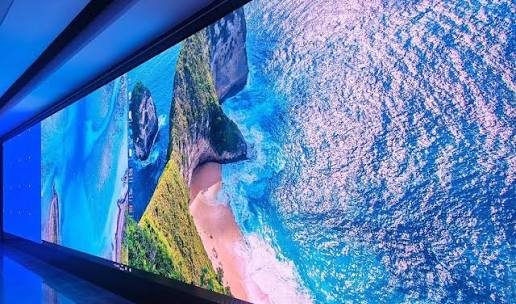
LED displays have become an important visual communication tool for businesses across retail, hospitality, corporate, entertainment, advertising, and event industries. However, not every LED display is designed for the same environment. Choosing the right specifications is essential for achieving clear visuals, reliable performance, and long-term value.
The main distinction between an indoor LED screen and an outdoor LED screen is the environment in which each system is designed to operate. Indoor displays prioritise fine image detail and comfortable viewing in controlled environments, while outdoor displays are engineered to handle sunlight, rain, dust, temperature changes, and longer viewing distances.
Understanding the specifications behind each type of display can help businesses make better decisions when planning a commercial LED installation.
Why LED Screen Specifications Matter
An LED display is more than simply a large digital screen. Its performance depends on multiple technical specifications, including pixel pitch, brightness, refresh rate, viewing distance, cabinet protection, power consumption, and thermal management.
Selecting specifications based solely on price or screen size can result in a system that does not perform as expected.
For example, an LED display designed for a conference room may not be bright enough for direct sunlight. Similarly, an extremely high-brightness outdoor display may be unnecessarily bright and inefficient for a controlled indoor environment.
Indoor LED Screen Specifications
Indoor environments typically provide more controlled conditions than outdoor installations. As a result, indoor LED displays can focus more heavily on image quality, pixel density, viewing comfort, and design flexibility.
Pixel Pitch for Indoor Applications
Pixel pitch refers to the distance between the centres of two adjacent LED pixels. A smaller pixel pitch generally means higher pixel density and greater image detail.
Indoor LED screens commonly use fine pixel pitches such as P1.2, P1.5, P1.8, P2.0, and P2.5.
These specifications are useful when viewers are relatively close to the display. Corporate meeting rooms, showrooms, retail environments, exhibition halls, and control rooms may benefit from fine-pitch displays because text, graphics, and high-resolution video need to remain clear.
However, selecting the smallest possible pixel pitch is not always necessary. The ideal specification depends on the expected viewing distance and content requirements.
Brightness for Indoor Environments
Indoor LED displays generally require less brightness than outdoor models because they are protected from direct sunlight.
Depending on the environment and application, indoor displays may operate within approximately 600 to 1,500 nits.
A conference room with controlled lighting may require considerably less brightness than a retail store with strong overhead lighting or large windows.
The objective is to achieve sufficient brightness without creating excessive glare or reducing viewing comfort.
Refresh Rate and Image Quality
Refresh rate is particularly important for applications involving video, live events, broadcast cameras, and fast-moving content.
A suitable refresh rate can help produce smoother video and reduce certain visual artefacts when the LED display is recorded by cameras.
Businesses using LED displays for corporate presentations, live production, or event environments should therefore consider refresh rate alongside resolution and pixel pitch.
Outdoor LED Screen Specifications
Outdoor installations require more robust engineering because displays are exposed to environmental conditions that do not normally affect indoor systems.
High Brightness for Direct Sunlight
Brightness is one of the most important specifications for outdoor LED displays.
Outdoor screens may require approximately 5,000 to 8,000+ nits depending on their location, orientation, and exposure to sunlight.
Higher brightness helps maintain visibility when direct sunlight hits the display. This is particularly important for roadside advertising, building façades, outdoor events, stadiums, and shopping centre displays.
However, brightness requirements should be assessed according to the actual installation site rather than automatically selecting the highest available brightness.
Larger Pixel Pitch for Long Viewing Distances
Outdoor displays commonly use larger pixel pitches such as P3.9, P4.8, P6, P8, and P10.
The reason is straightforward: outdoor displays are often viewed from much greater distances than indoor displays.
A P1.2 display may provide excellent detail for a close-viewing application, but its additional pixel density may offer limited practical benefit for a large roadside billboard viewed from tens of metres away.
Choosing the correct pixel pitch therefore requires consideration of both viewing distance and screen size.
IP Rating and Weather Resistance
One of the biggest differences between indoor and outdoor LED displays is environmental protection.
Understanding IP Ratings
IP, or Ingress Protection, ratings indicate how effectively an enclosure protects against solid particles and water.
Indoor displays may use ratings such as IP30 or IP40, depending on the design and intended environment. These ratings are generally suitable for controlled indoor installations but are not intended to provide full protection from rain.
Outdoor LED displays require substantially stronger protection. Many outdoor systems use IP65 or higher protection for relevant surfaces or cabinet configurations.
This helps protect internal electronics from dust, moisture, and water exposure.
Why Waterproofing Matters
Waterproofing is essential for permanent outdoor LED installations.
Rain and humidity can damage electronic components if moisture enters the cabinet. Outdoor LED cabinets are therefore designed with protective structures, seals, drainage considerations, and appropriate component protection.
When evaluating an outdoor display, businesses should verify exactly which parts of the system are covered by the stated IP rating.
Thermal Management and Cabinet Design
Temperature management is another important consideration for commercial LED displays, particularly outdoors.
Heat Dissipation
Outdoor LED displays operate under challenging thermal conditions. High brightness levels generate heat, while direct sunlight can further increase cabinet temperatures.
Manufacturers may use heat sinks, ventilation, fans, cabinet airflow, or fanless heat-dissipation designs to manage operating temperatures.
Proper thermal management helps maintain stable performance during extended operation.
UV-Resistant Materials
Outdoor displays may also require UV-resistant modules and cabinet materials.
Long-term exposure to sunlight can affect certain plastics, coatings, and other components. UV-resistant construction can help improve durability and maintain the appearance of the display over time.
Choosing Specifications for Different Commercial Environments
Different commercial environments require different combinations of specifications.
Corporate Offices
Corporate offices and meeting rooms typically prioritise fine pixel pitch, moderate brightness, high image quality, and viewing comfort.
Retail Stores and Showrooms
Retail environments may require higher brightness than standard offices, particularly where displays are positioned near windows or strong artificial lighting.
Fine pixel pitch can also be valuable when customers view promotional content from relatively short distances.
Outdoor Advertising
Outdoor advertising displays generally require high brightness, weather resistance, appropriate pixel pitch, and strong thermal management.
The viewing distance and traffic conditions should be considered when selecting the display specification.
Events and Entertainment
Event applications can vary significantly. An LED display used on an outdoor concert stage may require high brightness and weather protection, while an indoor exhibition display may prioritise fine pixel pitch and lightweight cabinet construction.
Key Factors to Check Before Buying
Before selecting an LED display, businesses should evaluate several specifications together rather than focusing on one feature.
Installation Environment
Determine whether the display will be installed indoors, outdoors, or in a semi-outdoor environment.
Viewing Distance
Measure the expected distance between the display and the closest typical viewer. This helps determine the appropriate pixel pitch.
Ambient Lighting
Consider direct sunlight, indoor lighting, windows, and other sources of ambient light that could affect visibility.
Weather Exposure
Outdoor installations should be assessed for rain, humidity, dust, temperature fluctuations, and UV exposure.
Maintenance and Support
Consider module accessibility, spare parts, warranty coverage, technical support, and long-term maintenance requirements.
Conclusion
Selecting the right LED display requires more than comparing screen sizes and prices. Brightness, pixel pitch, refresh rate, IP protection, thermal management, viewing distance, and installation conditions all contribute to overall performance.
An indoor LED screen is generally designed around image detail, close viewing distances, and controlled environmental conditions, while an outdoor LED screen prioritises brightness, weather resistance, durability, and long-distance visibility.
By matching the specifications to the actual commercial environment, businesses can develop an LED display system that delivers clear visuals, reliable operation, and appropriate long-term performance.
