

We’ve all had that moment of panic. You’re ten minutes into your morning commute or settling into your seat on a flight, and a sudden thought hits you: Did I lock the front door?
In the past, the only solution was to turn around or spend the rest of the day worrying. But the landscape of safety is shifting. Modern home security isn’t just about loud alarms and heavy deadbolts anymore; it’s about connectivity, visibility, and control.
For homeowners, navigating the aisles of smart gadgets can feel overwhelming. Yet, understanding these emerging technologies is the key to building a sanctuary that protects your family and gives you peace of mind, no matter where you are.
The end of the “hidden key” era: Smart locks
For decades, the “spare key under the doormat” was the standard backup plan for getting locked out. It was simple, but it was also a massive security risk. Enter the smart lock.
Smart locks have revolutionized how we enter and exit our homes. These devices replace or retrofit your existing deadbolt, allowing you to lock and unlock your door using a smartphone app, a keypad code, or even your fingerprint.
The real magic lies in the control they offer. You can create temporary digital keys for a dog walker or a contractor that expire after a set time. If you’re carrying an armful of groceries, some locks sense your phone’s proximity and unlock automatically as you approach. And for those panic moments on the highway? A quick glance at your phone lets you check the lock status and secure the door instantly.
Wireless security cameras: Eyes everywhere
Video surveillance used to require a professional installer, miles of cabling, and a bulky DVR system stored in a closet. Today, wireless security cameras have democratized video monitoring.
These cameras are battery-powered and connect directly to your home Wi-Fi. Because they don’t need a power outlet, you can mount them almost anywhere—on a tree, above the garage, or quietly on a bookshelf.
Modern cameras do more than just record footage. Many come equipped with artificial intelligence that can distinguish between a stray cat, a swaying tree branch, and a person approaching your porch. This reduces false alarms significantly. Features like two-way audio also allow you to speak through the camera, letting you tell a delivery driver where to hide a package or warn off a potential intruder from the safety of your office.
The brain of the operation: Smart home security systems
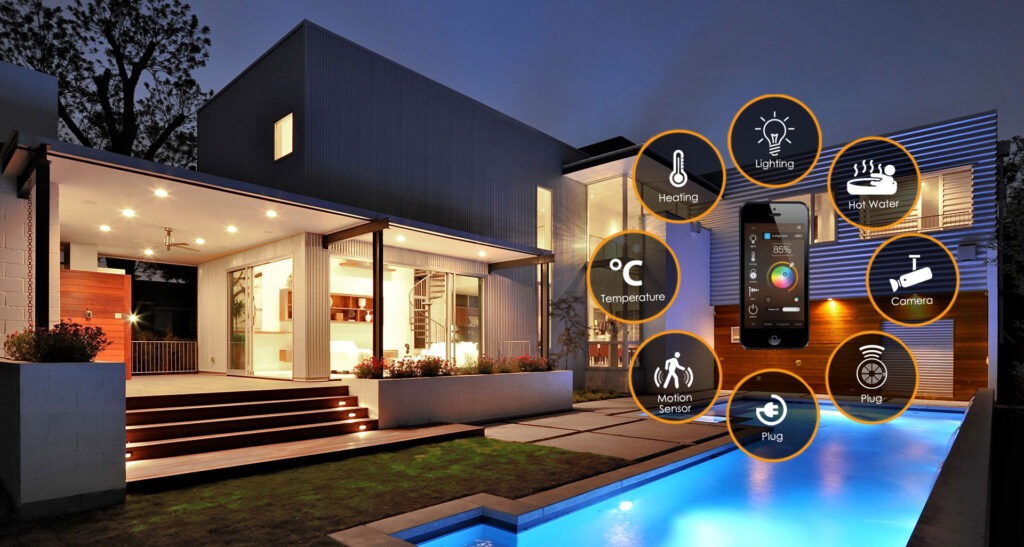
While standalone devices are great, the real power comes from integration. Comprehensive smart home security systems act as the central nervous system for your house.
These hubs connect all your devices—sensors, cameras, locks, and lights—so they can talk to each other. For example, you can program your system so that if a motion sensor is triggered in the backyard at 2:00 AM, the floodlights turn on, the back door locks, and you receive an immediate alert on your phone.
This level of automation makes the home feel alive and responsive. It moves beyond passive protection (waiting for a break-in) to active deterrence (preventing one from happening).
Tips for choosing the right technology
With so many options on the market, how do you choose what is right for you? Here are a few tips to guide your decision:
- Assess your lifestyle: Do you travel often? A system with professional monitoring might be best. Do you work from home? Maybe a simple video doorbell is enough.
- Check compatibility: Before buying a new gadget, ensure it plays nice with the devices you already own. If you use Amazon Alexa or Google Assistant, look for products that integrate with those ecosystems.
- Start small: You don’t need to retrofit your entire house in one weekend. Start with a smart doorbell or a single camera. You can always expand your home security setup as you get more comfortable with the technology.
Building a safer future
Technology creates a layer of convenience that we didn’t know we were missing. It allows us to check in on our pets while we’re at work, let a neighbor in to water the plants without handing over a physical key, and sleep a little sounder at night. By embracing these emerging tools, you aren’t just installing gadgets; you are upgrading your peace of mind.
