

In recent years, more and more people have chosen digital entertainment platforms for their free time. These platforms slowly reshape how you spend your free time by making entertainment, learning, and social interaction instantly accessible. Many streaming services have replaced television, while short-form videos and games easily fit into shorter breaks. For communication, many turn to social media apps as they turn basic scrolling into a shared experience. You can also access many podcasts, online courses, and creator platforms whose goals are to encourage self-improvement and creativity. However, even though these platforms increase convenience, they still challenge you to balance screen time with offline activities, encouraging you to build healthier digital habits.
The Rise of Digital Platforms in Everyday Leisure
With the rise of digital entertainment platforms, everyday leisure has transformed into a more personalised and on-demand experience. You can now access streaming apps, social media, and online games, allowing you to relax, connect, and enjoy entertainment anytime. Such platforms offer versatile options that you can easily explore, whether watching videos, chatting with friends, or learning a new skill. However, digital leisure also encourages multitasking and prolonged screen use, encouraging you to strike a balance between digital and offline activities.
From Passive Entertainment to Always-On Engagement
Instead of watching TV or listening to the radio, you can now actively participate, comment, share, like, and create content in real time. Social media, live streams, and interactive games will keep you connected and involved. However, as this shift makes free time more social and dynamic, it blurs the line between rest and activity. Thus, you may need to set screen time limits to avoid constant digital stimulation.
Streaming Platforms Redefining How People Relax
Streaming platforms offer instant access to movies, series, music, and live content that you can access anytime and anywhere. You don’t have to wait for scheduled programs; you can choose what fits your mood and schedule. Personalised recommendations make relaxation feel effortless, while binge-watching can turn your free time into an immersive experience. This convenience, however, may lead to longer screen sessions, so it’s important to set screen time limits and pay attention to your digital usage.
On-Demand Content and Personalised Viewing Habits
On-demand content has transformed viewing habits by giving you full control over what, when, and how you watch. You can choose shows, videos, or music that match your interests and moods. With the personalised algorithms, you can also enjoy content based on past behaviours, making entertainment more engaging and tailored. As digital viewership becomes the norm, you must develop awareness to balance choice, comfort, and healthy media consumption.
The Social Side of Streaming Communities
The social side of streaming communities has contributed to the change in how people view entertainment. Now, you can comment, react, and connect with others in real time through chats, forums, and social media. In the study “Investigating social presence in ‘In Real Life’ streaming for community building”, it’s highlighted that streaming platforms are important as they allow people to connect and build friendships. This availability strengthens relationships and shared identities, while balancing community engagement with personal boundaries.
Interactive Digital Experiences and Real-Time Engagement
Interactive digital experiences have created a space for real-time engagement and participation. You can use live streams, online games, virtual events, and social media to respond instantly, collaborate with others, and influence content as it unfolds. This availability creates excitement and connection, making entertainment more immersive than traditional media such as TV or radio.
Gaming, Live Interaction and User Participation
In the centre of digital entertainment, you may come across gaming, live interaction, and user participation. You can play online games and collaborate or compete with others. With live chats, voice communication, and streaming platforms, you can interact with fellow users or creators. You are no longer a passive consumer but an active participant who has the power to shape experience through choices and feedback.
Online Casinos and the Growth of Real-Time Digital Entertainment
Even though streaming and social apps dominate leisure time, many users explore online casinos like Casino Days, which offer real-time digital experiences. Online casinos combine technology, interaction, and instant access. With live dealer games, real-time betting, and immersive interfaces, you can experience gambling that closely resembles physical casinos from the comfort of your home. These platforms are becoming more popular, as they appeal to those seeking convenience and excitement at any time of day.
Social Media as a Leisure and Connection Hub
Social media is an integral part of both leisure and connection, blending entertainment with social interaction. Due to their importance, you can enjoy features that allow you to scroll through videos, memes, and stories while engaging with friends, communities, or creators. The simple passive browsing is now an interactive experience, thanks to features like live streams, comments, and shared content.
Short-Form Content and Attention-Based Entertainment
Short-form content, including short-form series and movies, is made to fit into different lifestyles and adapt to attention-driven consumption. Many platforms have short videos, clips, and reels that allow you to engage quickly with multiple pieces of content in minutes. This type of content maximised immediacy and variety, and is made to keep you engaged and entertained. While it offers convenience and fun, it’s important to balance it with longer content to maintain focus and deeper engagement.
Digital Communities Replacing Traditional Social Spaces
Digital communities offer connection, collaboration, and shared interests online. You can access forums, social media groups, and multiplayer games to interact with people all over the world, building friendships based on hobbies, fandoms, or professional interests. These virtual spaces provide social support, entertainment, and a sense of belonging similar to physical gatherings.
Technology-Driven Relaxation and Escapism
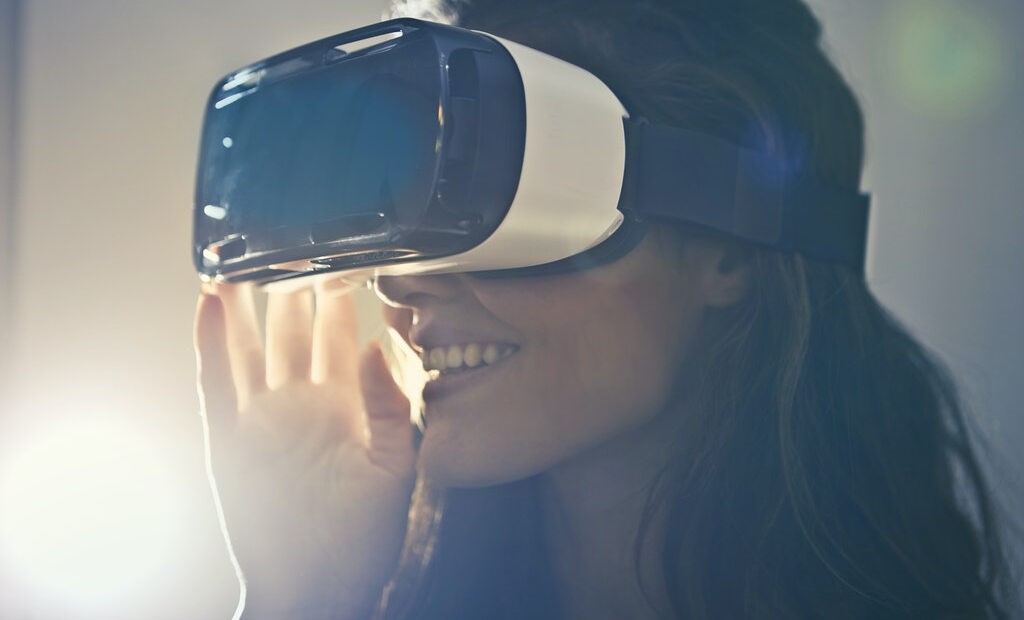
Technology-driven relaxation and escapism are important features of modern leisure. Streaming platforms, video games, virtual reality, and digital apps create an immersive experience that will help you relax, explore new interests, and momentarily escape daily stress. While this technology offers convenience and instant gratification, over-reliance can reduce offline downtime and mindfulness.
Mobile Apps, Virtual Worlds, and Immersive Experiences
Mobile apps allow you to access games, streaming, and social platforms within minutes, while with virtual worlds, you can explore, create, and socialise. These immersive experiences, including augmented and virtual reality, make leisure a more engaging and participatory experience, turning relaxation into an active exploration.
How Convenience Shapes Modern Free-Time Choices
Convenience plays a crucial role in shaping modern free-time choices. On-demand streaming, mobile apps, and online platforms will allow you to relax, learn, or connect without leaving your home. This convenience encourages multitasking and frequent digital entertainment, turning short breaks into entertainment opportunities. While it saves you time and offers you many options, this convenience can make leisure more passive and screen-focused.
