

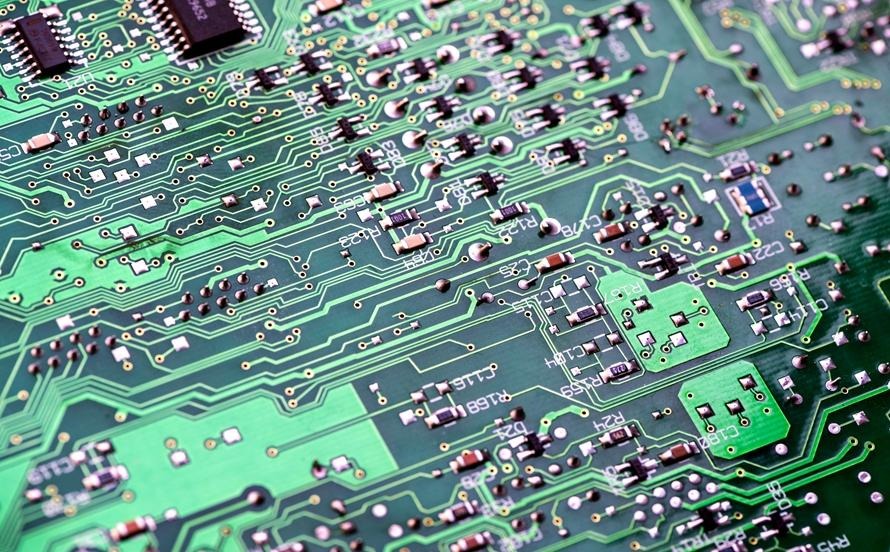
As electronic devices become more powerful and compact, managing heat has become one of the biggest challenges in PCB design. High-performance components generate significant amounts of heat during operation, and if that heat is not dissipated efficiently, it can reduce performance, shorten component lifespan, and even cause system failure. To address these challenges, manufacturers increasingly rely on the Copper Based PCB, a specialized metal-core printed circuit board designed for excellent thermal conductivity and reliable electrical performance.
Unlike conventional FR-4 circuit boards, a copper based PCB uses a thick copper substrate that efficiently transfers heat away from heat-generating components. This makes it an ideal choice for high-power LED lighting, automotive electronics, power supplies, industrial equipment, renewable energy systems, and telecommunications devices where thermal management is critical.
Although copper based PCBs provide significant performance advantages, manufacturing them requires specialized equipment, precision machining, and strict quality control. Working with an experienced Copper Based PCB manufacturer ensures consistent product quality, reliable thermal performance, and long-term durability.
This article explores what copper based PCBs are, how they are manufactured, their benefits, applications, and why selecting the right manufacturing partner is essential.
What Is a Copper Based PCB?
A Copper Based PCB is a type of metal-core printed circuit board that uses a solid copper substrate instead of the traditional fiberglass base found in standard PCBs. The board typically consists of three main layers: a copper base, a thermally conductive dielectric layer, and the circuit copper layer that carries electrical signals.
The copper substrate functions as a highly efficient heat sink, transferring heat away from electronic components much faster than conventional PCB materials. This helps maintain lower operating temperatures and improves the overall reliability of electronic systems.
Copper based PCBs are commonly used in applications that generate substantial heat or require high current-carrying capacity. Depending on the design requirements, they can be manufactured as single-sided, double-sided, or multilayer circuit boards while maintaining excellent thermal performance.
Because copper offers superior thermal conductivity compared to aluminum or fiberglass, these PCBs are particularly suitable for demanding applications where efficient heat management is a priority.
Why Copper Based PCBs Are Important
As electronic products continue to increase in power density, thermal management has become just as important as electrical performance. Excessive heat can reduce component efficiency, accelerate material degradation, and increase the likelihood of electronic failure.
A Copper Based PCB effectively addresses these challenges by rapidly transferring heat away from power devices such as LEDs, MOSFETs, IGBTs, and high-current components. Lower operating temperatures improve component stability, enhance electrical performance, and significantly extend product lifespan.
In addition to superior thermal performance, copper based PCBs provide excellent mechanical strength. Their rigid construction allows them to withstand vibration, mechanical stress, and harsh operating environments commonly found in automotive and industrial applications.
The high thermal conductivity also reduces the need for additional cooling systems, allowing designers to develop more compact and efficient electronic products.
The Copper Based PCB Manufacturing Process
Manufacturing a Copper Based PCB begins with a comprehensive Design for Manufacturability (DFM) review. Engineers evaluate thermal requirements, copper thickness, dielectric properties, circuit layout, and manufacturing tolerances to optimize both performance and production efficiency.
The fabrication process starts with preparing the copper substrate and bonding it to a thermally conductive dielectric material. A copper foil is then laminated onto the dielectric layer to create the conductive circuit surface.
Circuit patterns are transferred onto the copper layer using precision photolithography before chemical etching removes unwanted copper, leaving the required electrical circuitry.
Precision drilling creates holes for component mounting and electrical connections where necessary. Since copper is significantly harder than standard PCB materials, specialized drilling equipment and machining processes are often required to achieve accurate hole dimensions.
After drilling, solder mask is applied to protect exposed copper traces, followed by silkscreen printing and surface finishing to improve solderability and corrosion resistance. Every completed PCB undergoes electrical testing and detailed inspection before shipment to ensure compliance with customer specifications.
Advantages of Copper Based PCB Technology
One of the most significant advantages of a Copper Based PCB is its exceptional thermal conductivity. Copper transfers heat much more efficiently than traditional PCB materials, helping maintain stable operating temperatures in high-power electronic systems.
The strong mechanical properties of copper also improve board durability. Copper based PCBs are highly resistant to vibration, mechanical stress, and thermal cycling, making them suitable for demanding industrial and automotive environments.
Another important benefit is their ability to support high-current applications. Thick copper conductors reduce electrical resistance and minimize power loss, improving energy efficiency while enhancing system reliability.
Copper based PCBs also contribute to compact product design by reducing the need for large external heat sinks or complex cooling systems. This enables manufacturers to produce smaller and lighter electronic devices without compromising thermal performance.
The combination of excellent heat dissipation, mechanical strength, and electrical reliability makes copper based PCBs a preferred solution for many advanced electronic applications.
Applications of Copper Based PCBs
Copper based PCBs are widely used in industries where heat management is essential. LED lighting systems rely on these circuit boards to efficiently dissipate heat generated by high-brightness LEDs, improving lighting performance and extending product life.
Automotive electronics incorporate copper based PCBs into electric vehicle power modules, battery management systems, motor controllers, onboard chargers, and lighting systems that operate under demanding thermal conditions.
Industrial automation equipment uses copper based PCBs in motor drives, power converters, welding equipment, industrial power supplies, and manufacturing control systems where continuous high-current operation generates substantial heat.
Renewable energy systems, including solar inverters, wind power controllers, and battery energy storage equipment, also depend on copper based PCBs for reliable thermal management and efficient power conversion.
Telecommunications infrastructure, aerospace electronics, medical equipment, railway systems, power supplies, and high-performance computing devices further demonstrate the versatility of copper based PCB technology.
Why Choosing an Experienced Copper Based PCB Manufacturer Matters
Manufacturing copper based circuit boards requires specialized engineering expertise and advanced production capabilities. An experienced Copper Based PCB manufacturer understands the unique challenges associated with machining copper substrates, controlling thermal properties, and maintaining dimensional accuracy throughout production.
Professional manufacturers work closely with customers during product development by performing Design for Manufacturability analysis to optimize material selection, copper thickness, thermal design, and fabrication processes before manufacturing begins.
Modern manufacturing facilities equipped with precision CNC machining centers, laser imaging systems, automated optical inspection, electrical testing equipment, and advanced thermal analysis technologies ensure consistent quality from prototype production through high-volume manufacturing.
Experienced manufacturers also maintain strict process control throughout fabrication, helping customers reduce production defects while improving product reliability and manufacturing efficiency.
Partnering with a knowledgeable manufacturer contributes significantly to long-term electronic system performance.
Quality Assurance in Copper Based PCB Manufacturing
Quality assurance plays a critical role in producing reliable copper based circuit boards because thermal performance depends on precise material processing and manufacturing accuracy. Manufacturers inspect incoming copper substrates before monitoring every stage of fabrication to ensure dimensional consistency and thermal reliability.
Automated Optical Inspection detects circuit defects such as open circuits, short circuits, and incorrect trace dimensions before assembly. Electrical testing verifies continuity, insulation resistance, and overall circuit functionality.
Additional quality evaluations often include thermal conductivity verification, bond strength testing, solderability assessment, dimensional inspection, mechanical stress testing, and thermal cycling to confirm long-term durability under demanding operating conditions.
Leading manufacturers maintain internationally recognized certifications including ISO 9001, IPC standards, UL certification, IATF 16949 for automotive electronics, ISO 13485 for medical devices, and RoHS compliance. These certifications demonstrate adherence to globally recognized quality and manufacturing standards.
Conclusion
The Copper Based PCB has become an essential solution for modern electronic systems that require superior thermal management, high current-carrying capacity, and exceptional mechanical durability. Its ability to efficiently dissipate heat while maintaining reliable electrical performance makes it ideal for applications in LED lighting, automotive electronics, industrial automation, renewable energy, telecommunications, and medical equipment.
Choosing an experienced Copper Based PCB manufacturer ensures access to advanced engineering expertise, precision manufacturing technologies, and comprehensive quality assurance. As electronic devices continue to demand greater power and efficiency, copper based PCB technology will remain a key foundation for developing reliable, high-performance electronic products across a wide range of industries.