

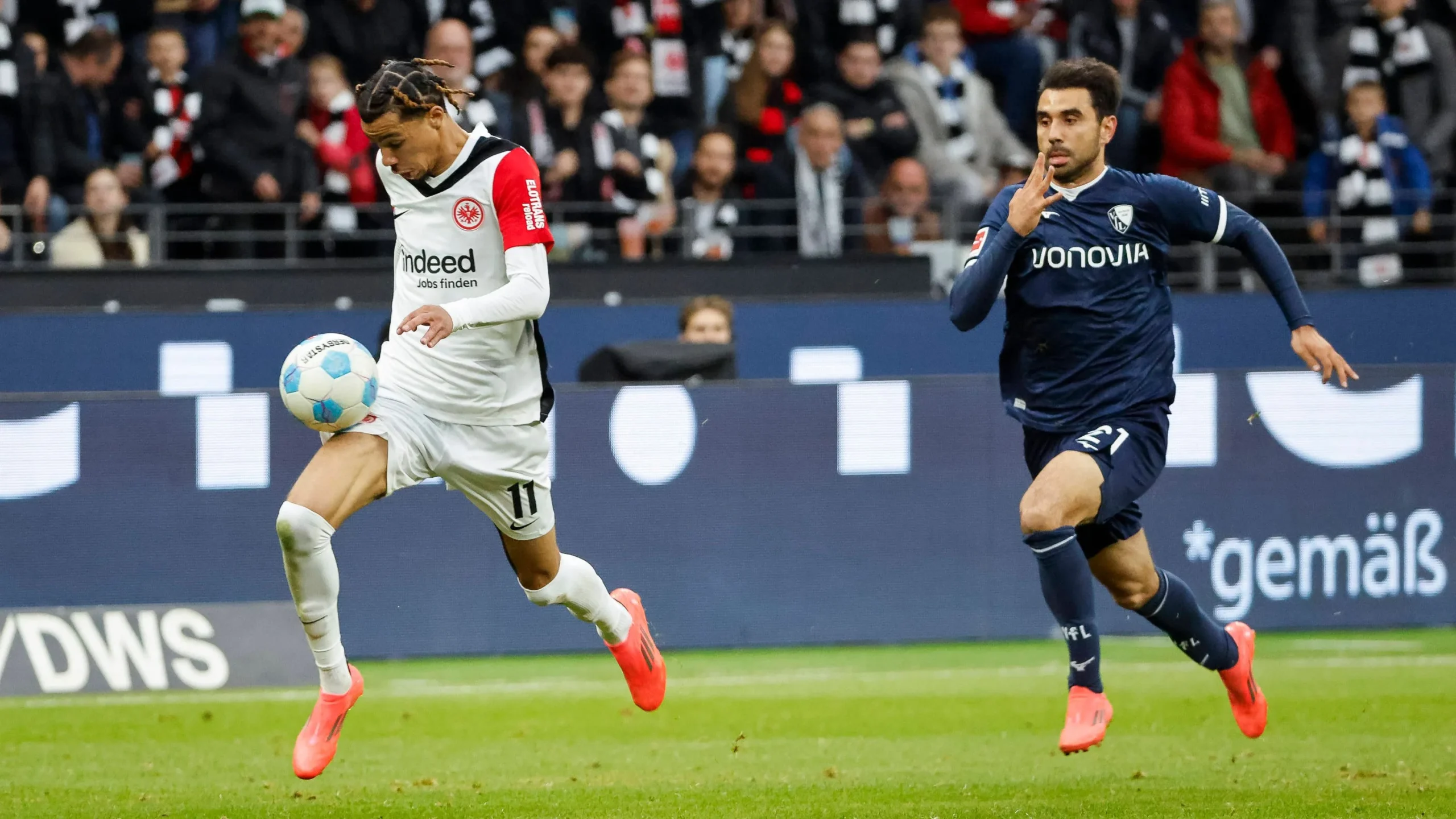
In the Bundesliga, shot volume is often treated as a proxy for attacking dominance, but the reality is more nuanced. Teams that consistently produce high numbers of shooting opportunities do so because of specific tactical choices, structural advantages, and game-state behaviors. Understanding why certain teams lead in shot creation requires separating raw volume from context, efficiency, and repeatability across different match conditions.
Why shot volume is a meaningful but incomplete indicator
Shot counts matter because they reflect territorial control and attacking intent.
The cause is sustained pressure and ball circulation near the opponent’s box; the outcome is frequent shooting opportunities; the impact is a higher probability of goals over time. However, without context, shot volume alone can exaggerate attacking quality, especially when attempts come from low-value zones.
Tactical systems that naturally inflate shot numbers
Certain tactical setups are designed to produce repeated attempts.
Teams using aggressive counter-pressing and high defensive lines recover the ball closer to goal, shortening attacking sequences. This increases shot frequency even if chance quality varies. The structure prioritizes volume through repetition rather than selective finishing.
Mechanisms behind sustained pressure
Compact rest-defense shapes allow teams to recycle possession quickly after blocked shots or clearances. This mechanism keeps opponents pinned back and generates clusters of attempts within short time windows.
Role of possession dominance and field tilt
High shot teams often dominate field position rather than pure possession percentage.
The cause is territorial compression; the outcome is play concentrated in the final third; the impact is repeated shooting from similar zones. Field tilt explains why some teams with average possession still produce many shots by keeping the ball advanced.
Shot distribution patterns that inflate totals
Before listing common patterns, it is important to note that not all shots are equal, but distribution explains why totals rise.
- Frequent shots from the edge of the box
- High number of blocked attempts
- Rebounds following set pieces
- Cutbacks leading to rushed finishes
Interpreting this list shows that shot-heavy teams often accept inefficiency in exchange for pressure. Blocks and rebounds count as shots, inflating totals without guaranteeing goals.
Match-state effects on shooting volume
Game state heavily influences shooting behavior.
The cause is scoreboard pressure; the outcome is altered risk tolerance; the impact is fluctuating shot totals. Teams trailing early tend to spike shot numbers through urgency, while leading teams may still accumulate attempts through counters rather than sustained buildup.
Comparing teams through advanced metrics
To move beyond raw counts, analysts rely on supporting indicators.
Before detailing them, context matters because these metrics explain why shots occur.
- Shots per possession in the final third
- Touches inside the penalty area
- Opponent defensive actions per shot
- Time between shot attempts
These measures reveal whether shot volume is driven by control, chaos, or opponent weakness rather than pure attacking quality.
Market interpretation and analytical comparison
When evaluating teams known for high shot output, observers often compare how different betting environments react to this data.
Under situational comparison, some platforms adjust expectations quickly when shot volume fails to translate into goals, while others lag behind. In these cases, ufabet company may be referenced during live analysis to observe how odds shift in response to sustained pressure, blocked shots, or repeated attempts without conversion. This indirect comparison helps illustrate how shot volume influences real-time interpretation across betting interfaces rather than serving as a standalone signal.
Where shot-heavy teams are commonly misread
High shooting teams are frequently overestimated.
The cause is statistical bias toward volume; the outcome is inflated expectations; the impact is analytical error. When shot quality, opponent strength, or game state is ignored, volume becomes misleading rather than informative.
Summary
Bundesliga teams that generate the most shooting opportunities do so through specific tactical structures, territorial dominance, and match-state behaviors. While shot volume indicates pressure and intent, it must be evaluated alongside distribution, efficiency, and context. A balanced interpretation transforms raw shot counts from a surface statistic into a meaningful analytical tool.
