

Introduction
In today’s digital world, having an online presence is essential for businesses, entrepreneurs, bloggers, startups, and individuals. Whether you want to launch a personal blog, create an online store, build a business website, or establish a professional portfolio, one of the first steps is choosing the right domain name. A domain name is more than just a website address; it represents your online identity and helps visitors recognize, remember, and access your website.
However, choosing a domain name can sometimes be challenging, especially for beginners. With millions of registered domain names and hundreds of available domain extensions, finding the perfect combination requires research, creativity, and planning.
This is where tools and resources such as Truetld and Tldlist can make the process easier. They help users explore domain extensions, understand the different types of top-level domains (TLDs), and discover options that may suit their websites or businesses.
In this complete beginner’s guide, we will explore what domain names are, how domain extensions work, why they matter, and how Truetld and Tldlist can help you make more informed domain-related decisions.
1. What Is a Domain Name?
A domain name is the unique address people enter into their web browsers to visit a website. Instead of remembering complicated numerical IP addresses, users can simply type a readable name to access an online destination.
For example:
- google.com
- wikipedia.org
- amazon.com
- example.net
Each domain name points to a particular online destination through the Domain Name System (DNS).
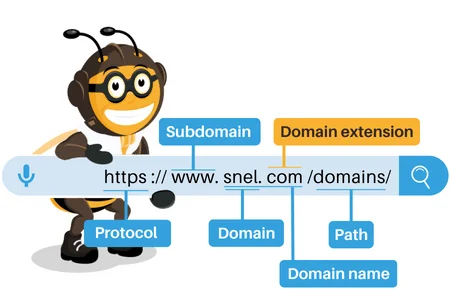
A typical domain name consists of two main parts:
Second-Level Domain (SLD): This is the customizable name you choose for your website. In example.com, the word “example” is the second-level domain.
Top-Level Domain (TLD): This is the extension that appears after the final dot. In example.com, “.com” is the TLD.
Together, these elements create a complete domain name.
Choosing a suitable domain name is important because it influences how people recognize your website, remember your brand, and find your online content.
2. Understanding Domain Extensions
Domain extensions, also known as top-level domains, are the final parts of website addresses. They provide additional context about a website’s purpose, geographical association, or organizational category.
For example, different extensions may communicate different types of online identities:
- .com – Commonly used for commercial websites and businesses.
- .org – Traditionally associated with organizations and nonprofits.
- .net – Originally intended for network-related organizations.
- .edu – Used by eligible educational institutions.
- .gov – Reserved for eligible government entities.
- .info – Often associated with informational websites.
- .tech – Popular among technology-related businesses and projects.
- .shop – Suitable for online stores and retail websites.
- .blog – Useful for bloggers and content creators.
Not all domain extensions have the same registration requirements. Some are open to general registration, while others are restricted to eligible organizations or individuals.
Understanding these differences can help beginners choose an extension that matches their website’s purpose.
3. What Is Truetld?
Truetld can be explored as a resource for learning about domain extensions and discovering information related to top-level domains.
For someone new to domain registration, understanding the wide variety of available extensions can be confusing. Traditional extensions such as .com and .net are familiar, but newer domain extensions have expanded the possibilities for creating distinctive website addresses.
A domain-focused resource like Truetld can be useful when researching domain terminology, exploring extension options, and learning how different TLDs fit into the broader domain-name ecosystem.
When researching domains, it is helpful to consider the following factors:
Extension relevance: Does the extension communicate the purpose of your website?
Brand identity: Does the extension complement your business or personal brand?
Availability: Can you register your preferred domain name with that extension?
Registration requirements: Are there any special eligibility conditions?
Renewal costs: What will it cost to maintain the domain over time?
Rather than selecting an extension simply because it looks interesting, beginners should understand its meaning and practical suitability.
4. What Is Tldlist?
Tldlist is a useful name to know when exploring lists and information about top-level domain extensions.
A comprehensive TLD list can help beginners understand just how many domain extensions exist beyond the familiar .com, .org, and .net options.
These extensions generally fall into several major categories.
Generic Top-Level Domains (gTLDs)
Generic top-level domains are widely used across different industries and website categories.
Examples include:
- .com
- .net
- .org
- .info
- .biz
They provide flexibility for individuals, businesses, and organizations looking to establish an online presence.
Country-Code Top-Level Domains (ccTLDs)
Country-code top-level domains are associated with specific countries or territories.
Examples include:
- .uk – United Kingdom
- .us – United States
- .pk – Pakistan
- .in – India
- .de – Germany
- .jp – Japan
These extensions can help websites communicate a geographical connection or target a particular regional audience. However, some ccTLDs have registration restrictions, so checking their individual policies is important.
New Generic Top-Level Domains
The domain-name ecosystem has expanded considerably with newer extensions designed for specific industries, interests, and website purposes.
Examples include:
- .online
- .website
- .digital
- .design
- .technology
- .photography
- .marketing
- .agency
These options provide more opportunities to create memorable domain names when traditional extensions are unavailable.
Exploring a TLD list helps users compare these categories and discover extensions that might otherwise go unnoticed.
5. Why Should Beginners Explore Truetld and Tldlist?
Many beginners assume that choosing a domain name simply means finding an available .com address. While .com remains a familiar and widely recognized option, it is not the only choice.
Exploring domain-related resources such as Truetld and Tldlist can help users understand the wider selection of extensions.
Here are some reasons why this research is worthwhile.
Discover More Domain Extension Options
Your preferred domain name might already be registered under .com. However, an alternative extension could still provide a suitable option.
For example, a technology startup might explore .tech, while a creative portfolio could consider .design.
Improve Brand Identity
A carefully selected extension can complement your brand name and communicate your website’s purpose.
For instance, a photography business may find .photography relevant, while an online retail business might prefer .shop.
Understand Domain Categories
A TLD directory helps beginners distinguish between generic, country-code, and specialized domain extensions.
This knowledge makes it easier to select an appropriate domain rather than choosing randomly.
Make Better Registration Decisions
Comparing extensions before purchasing a domain can help you understand registration requirements, pricing differences, and renewal conditions.
It also reduces the likelihood of choosing an extension that does not fit your long-term plans.
6. How to Choose the Perfect Domain Name
Selecting a domain name requires more than creativity. You should also think about memorability, readability, relevance, and future growth.
Here are some practical tips for beginners.
1. Keep It Short and Simple
Short domain names are generally easier to remember, type, and share. Avoid unnecessarily long names or complicated combinations of words.
2. Make It Easy to Spell
A domain name should be simple enough for visitors to remember after hearing it once. Avoid confusing spellings, excessive numbers, and unnecessary punctuation.
3. Choose a Relevant Name
Your domain should reflect your business, personal brand, blog topic, or website purpose.
For example, a website about cooking could include words related to food, recipes, or kitchens.
4. Think About Your Future Goals
Do not choose a domain that limits your business to a narrow category if you plan to expand later.
A flexible brand name can support future products, services, and content.
5. Research Different Extensions
Use resources such as Truetld and Tldlist to explore possible extensions before making your final decision.
Compare familiar extensions with newer alternatives and consider which one best represents your website.
6. Check Domain Availability
Once you have selected a few potential names, use a domain registrar’s search tool to check whether they are available.
Remember that an available domain is not automatically a legally safe brand name. You should also check relevant trademarks and existing business names.
7. Popular Domain Extensions and Their Uses
Understanding how different extensions are commonly used can help beginners narrow down their choices.
| Domain Extension | Common Purpose |
| .com | Businesses and general websites |
| .org | Organizations and nonprofits |
| .net | Technology and network-related websites |
| .info | Informational websites |
| .biz | Business-related websites |
| .shop | Online shopping and retail |
| .tech | Technology companies and projects |
| .blog | Blogs and publishing |
| .online | General online businesses |
| .design | Designers and creative professionals |
| .edu | Eligible educational institutions |
| .gov | Eligible government entities |
These are common associations rather than universal rules. For example, a business can use .org if it meets the relevant registration policies, and a blog can operate perfectly well on .com.
The important thing is to choose an extension that suits your goals and audience.
8. Do Domain Extensions Affect SEO?
Search engine optimization (SEO) is an important consideration for anyone building a website.
One common question beginners ask is whether choosing a particular domain extension can improve search engine rankings.
Generally, Google’s search systems do not give a website an automatic ranking advantage simply because it uses .com instead of another generic domain extension.
However, domain extensions can influence other factors indirectly.
User Trust: Visitors may feel more familiar with established extensions such as .com.
Audience Targeting: Country-code extensions can help communicate a website’s geographical focus.
Brand Recognition: A relevant and memorable extension can make your website easier to recognize.
Click Behavior: A clear domain name may encourage users to recognize and visit your website.
Ultimately, quality content, website performance, user experience, technical SEO, and relevant backlinks are much more important than selecting a trendy domain extension.
Choose your extension based on branding and audience relevance rather than expecting it to produce instant SEO improvements.
9. Common Mistakes to Avoid When Choosing a Domain
Beginners often make avoidable mistakes when registering their first domain. Being aware of these issues can save time and money.
Choosing an Overly Complicated Name
Long domain names with unusual spellings can be difficult for visitors to remember.
Ignoring Renewal Prices
Some domain extensions have attractive introductory prices but significantly higher renewal costs. Always check the long-term pricing structure.
Overlooking Registration Restrictions
Certain domain extensions require specific qualifications or documentation. Review the registration policies before purchasing.
Ignoring Trademark Issues
Using a name that conflicts with an existing trademark can create legal complications. Research your preferred name before registering it.
Choosing an Extension Without Understanding It
A domain extension should support your website’s identity. Do not select one just because it is unusual or inexpensive.
Forgetting About Domain Security
Enable two-factor authentication with your registrar, use a strong account password, and activate domain auto-renewal if appropriate. Keep your registration contact information accurate and monitor important renewal notifications.
10. A Practical Step-by-Step Domain Research Process
If you are purchasing your first domain, following a structured process can make the experience easier.
Step 1: Define Your Website’s Purpose
Decide whether you are building a blog, business website, online store, portfolio, or informational platform.
Step 2: Brainstorm Domain Names
Create a list of short, memorable, and relevant names that reflect your website’s identity.
Step 3: Explore Domain Extensions
Research different TLD categories using resources such as Truetld and Tldlist.
Step 4: Compare Your Options
Consider which extensions are appropriate for your audience, brand identity, and long-term goals.
Step 5: Check Availability
Use a reputable domain registrar to check whether your preferred domain names are available.
Step 6: Review Pricing and Policies
Compare registration fees, renewal costs, transfer policies, and eligibility requirements.
Step 7: Register Your Domain
Once you have completed your research and selected an appropriate option, register the domain through an accredited registrar or its authorized reseller.
Step 8: Connect Your Website
Configure your domain’s DNS settings to connect it to your hosting provider or website platform.
Following these steps can help you make a more confident and informed decision.
11. The Future of Domain Names and Extensions
The internet continues to evolve, and domain names are evolving alongside it.
As more businesses, creators, and organizations establish online identities, demand for distinctive domain names continues to encourage interest in alternative extensions.
Newer TLDs provide opportunities for businesses to create more descriptive website addresses. For example, a digital agency might explore .agency, while an online learning platform might consider an education-related extension.
At the same time, traditional extensions such as .com continue to hold significant recognition.
The future of domain selection is likely to involve a combination of familiar extensions, specialized domain categories, geographical identities, and creative branding strategies.
For beginners, staying informed about these developments can make future domain decisions easier.
Conclusion
Choosing the right domain name is one of the most important early steps in building a successful online presence. A good domain name makes your website easier to recognize, remember, and access while helping establish a consistent digital identity.
Understanding domain extensions is equally important. From traditional options such as .com and .org to specialized extensions such as .tech, .shop, and .design, there are numerous possibilities for individuals and businesses.
Resources such as Truetld and Tldlist can be useful starting points for exploring domain terminology, understanding TLD categories, and discovering the variety of extensions available across the internet.
The key is to research before registering. Consider your brand identity, target audience, registration requirements, renewal costs, and long-term goals before making a final decision.
Whether you are launching your first blog, starting an online business, or creating a professional portfolio, understanding domain names and extensions will help you build a stronger foundation for your online journey.
Start exploring domain extensions, compare your options, and choose a domain name that represents your vision.