

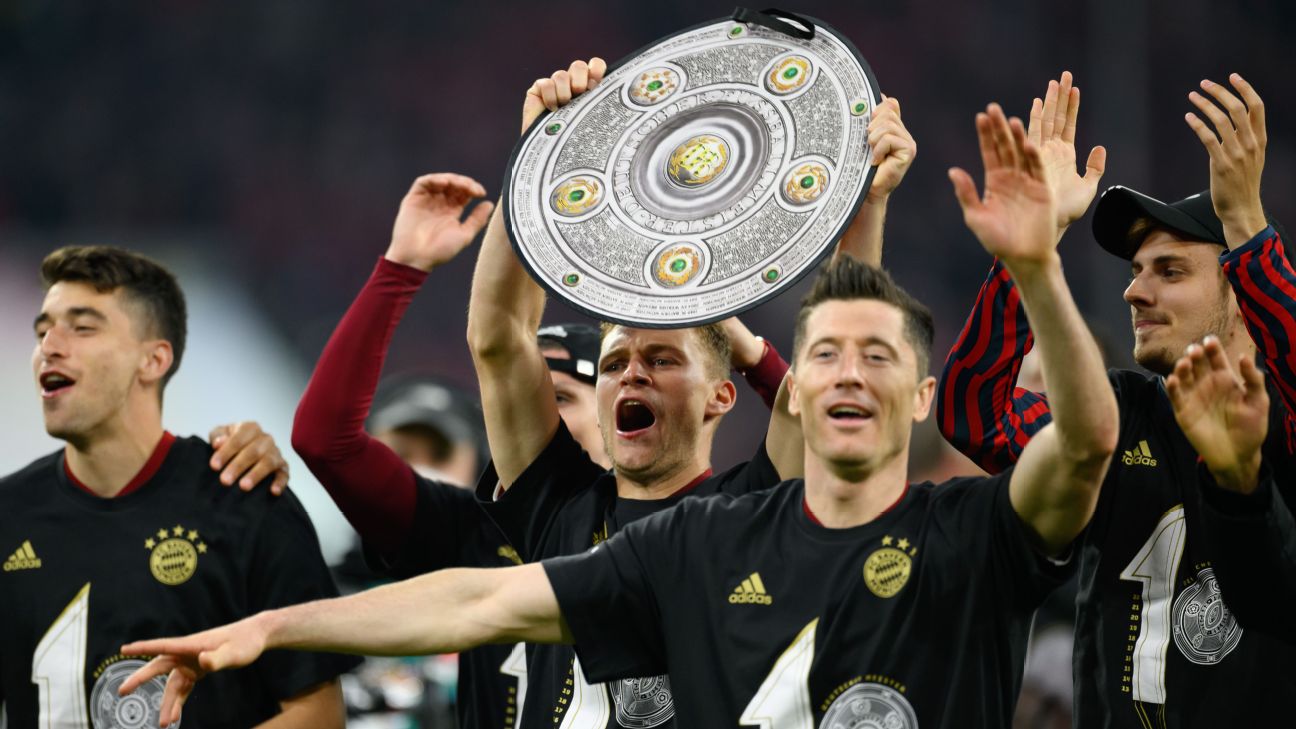
In the 2021/22 Bundesliga season, headline fixtures between Bayern, Dortmund, Leipzig and Leverkusen generated intense attention, and betting markets often reflected that excitement by shading prices upward on popular angles. While Germany’s top flight genuinely produced 954 goals across 306 matches—3.12 per game—some big‑match odds drifted beyond what underlying performance data and tactical context justified, especially on goal totals and favourite sides backed heavily by public sentiment.
Why Big Matches Are Prone to Overpricing
High‑profile clashes attract disproportionate turnover, and bookmakers know that casual money tends to flow toward star‑studded attacks and “narrative” outcomes. In the Bundesliga’s case, the presence of elite scorers such as Robert Lewandowski, Patrik Schick and Erling Haaland, plus the league’s 64% over‑2.5 rate, encouraged markets to assume fireworks by default in fixtures involving Bayern, Dortmund, Leipzig or Leverkusen. That assumption sometimes pushed totals lines and favourite odds into zones where price implied more certainty than data supported, especially once tactical caution, fatigue or table context came into play.
How the 3.12 Goal Average Shapes Market Expectations
The 2021/22 Bundesliga’s 3.12 goals per match made it the most goal‑rich of Europe’s top five leagues, ahead of the Premier League, La Liga, Serie A and Ligue 1. Over‑2.5 goals hit in about 64% of games, confirming that high totals were the norm rather than the exception and giving bookmakers a rational basis to open lines aggressively for marquee fixtures. In big matches, that often meant starting at 3.0 or 3.5 goal lines with short prices on overs, effectively taxing bettors who bought the “always chaos” narrative without checking whether specific matchups actually justified extreme expectations.
Mechanisms: From League Trend to Big-Game Inflation
The mechanism that turns league data into inflated big‑match pricing follows a simple sequence. First, genuine high scoring establishes a reputation; second, star names and highlight‑reel games—like Bayern 3–2 RB Leipzig or Dortmund 2–5 Leverkusen, both listed among the season’s most entertaining fixtures—reinforce that image in the public mind. Finally, when the next meeting between those clubs appears, markets anticipate heavy demand on overs and favourites, so odds are pre‑emptively shortened, making it harder for disciplined bettors to find value unless they identify reasons why this particular game might deviate from the pattern.
Tactical and Situational Factors That the Market Overweighted
In many 2021/22 big matches, markets over‑weighted attacking headlines while under‑weighting risk management. Tactical reviews and statistical analyses show that while Bayern’s open‑play xG of 78.35 was the highest in any top‑five league, there were games where Julian Nagelsmann’s side controlled tempo rather than chasing big scorelines, leading to lower totals than prices implied. Similarly, Dortmund and Leipzig alternated between wild, transition‑heavy games and controlled, possession‑centric performances depending on opponent, squad health and table stakes, but markets often priced the former scenario as the default.
In addition, fixture congestion from European campaigns and domestic commitments periodically reduced intensity in headline clashes, especially when both sides had recent midweek matches. Fatigue can lower pressing intensity, reduce the number of high‑tempo transitions and encourage both coaches to accept a narrower margin win or even a draw, pulling real goal expectancy below what a naïve “Bayern + Dortmund = goals” model would suggest.
Recognising Overpriced Totals in Marquee Fixtures
To distinguish fairly priced big matches from inflated ones, bettors can use a structured filter focused on totals. Because Bundesliga over‑2.5 rates sit around 64%, the question is not whether goals are likely, but whether odds on 3.0, 3.5 or even 4.0 lines imply an unrealistically high probability. Situations where totals are often overpriced include:
- Headliners with key attacking absences (injured strikers or creators) that markets treat too lightly.
- Late‑season matches where a point suits both sides in terms of table position, encouraging conservative risk management.
- Fixtures where one or both teams recently tightened defensively after mid‑season tactical adjustments, yet odds still reflect older, chaotic data samples.
When a careful review of xG trends, shot volumes and recent tactical shifts suggests a genuine step toward lower‑event football, but totals remain anchored to prior goal‑crazy narratives, the odds on unders or alternative goal bands often carry better value than the more glamorous overs.
In practice, leveraging this requires not only analysis but consistent tracking. Under circumstances where a bettor wants to test whether fading inflated totals in selected Bundesliga blockbusters actually pays off over a season, concentrating their wagers and records within a single sports betting service—ufabet asia, for example—can be advantageous; having a unified record of pre‑match odds, stakes and closing prices across Bayern‑Dortmund, Leipzig‑Leverkusen and similar fixtures allows a clearer post‑season audit of whether their contrarian read on big‑game totals genuinely identified mispricing or simply cut against well‑set lines.
When Big-Name Sides Were Overvalued on the 1X2 Line
The 2021/22 table underlines Bayern’s domestic dominance—they won a 10th straight title—but also shows that Dortmund, Leverkusen and Leipzig all had strong attacking seasons, securing Champions League qualification. With such firepower, public bettors often gravitated to favourites in big head‑to‑heads, especially at home, pushing home‑win prices downward even in matches where underlying quality and situational factors suggested a more balanced contest.
Marquee fixtures where a dominant club faced an in‑form rival with comparable attacking metrics—like Bayern’s 1–1 home draw with Leverkusen on Matchday 25—illustrate that results did not always follow the “superteam wins comfortably” script. In settings where xG data and tactical previews indicated a closer matchup but money still concentrated on the bigger name, the implied probabilities on favourites could drift above reasonable expectations, leaving draw or underdog positions with asymmetrically better price‑to‑risk ratios.
Mechanisms: Public Bias and Brand Effects
Brand effects explain much of this overvaluation. Bayern’s global profile, combined with star performers and long‑term winning streaks, encourages casual bettors to treat any domestic opponent as a secondary concern, even when recent form or injuries narrow the gap. Similarly, Dortmund’s reputation as a high‑octane, attack‑first club, and Leipzig’s data‑driven rise, push punters toward their moneylines in big televised clashes, often without equal scrutiny of the opponent’s strengths.
Bookmakers adjust by lowering prices on these brands until risk balances, which means that the likelihood of small overvaluation sits structurally on the favourite side in headline games. Without careful modelling, backing them at these compressed odds can be emotionally satisfying but mathematically thin.
Comparing “Big Match” vs Ordinary Fixture Pricing Behaviour
A conceptual comparison between marquee and ordinary fixtures clarifies where mispricing tends to arise. While detailed in‑house bookmaker models are not public, public betting guides and statistical summaries point toward several consistent differences.
| Feature | Ordinary Bundesliga fixture | Marquee 2021/22 fixture (e.g. Bayern vs top‑4 rival) | Pricing consequence |
| Public betting volume | Moderate, more balanced on all outcomes | Heavy, skewed toward favourites and overs | Favourite & overs odds shortened |
| Totals line default | Often 2.5 or 3.0 goals | Frequently 3.0–3.5 or higher | Unders, alt totals sometimes under‑backed |
| Reliance on reputation | Lower; more weight on recent form and data | Higher; star names and narratives dominate | Brand teams overvalued relative to underlying metrics |
| Bookmaker margin sensitivity | Standard | Margins protected via conservative shading in popular markets | Smaller structural edge available on “obvious” angles |
Interpreting this table shows that value in big games rarely sits on the same side as public sentiment. Instead, opportunities tend to arise where market enthusiasm runs ahead of evidence—overs and favourites—leaving contrarian positions with slightly more favourable combinations of price and probability.
Situations Where the Market’s High Prices Were Justified
Not every high line or short favourite price in 2021/22 big games was an overreaction. Some fixtures, especially those involving Bayern against outmatched opponents, genuinely deserved lofty implied probabilities given massive disparities in squad quality, xG creation and historical dominance. In those cases, even seemingly “inflated” lines accurately reflected a reality where the weaker side offered little tactical or statistical basis for optimism.
Similarly, certain Klassiker or top‑four clashes did produce exactly the kind of end‑to‑end, multi‑goal chaos that justified aggressive totals: Bayern 3–2 Leipzig and Dortmund 2–5 Leverkusen are prime examples of games where high‑goal expectations matched eventual outcomes and any attempt to fade the narrative would have failed. For bettors, the lesson is not to automatically oppose the crowd but to identify which big matches have structural reasons to behave differently, instead of treating “big game” as synonymous with “mispriced.”
Summary
In the 2021/22 Bundesliga, marquee fixtures involving Bayern, Dortmund, Leipzig and Leverkusen were genuine showcases of attacking football, but betting markets often priced them as if chaos were guaranteed, especially on totals and heavy favourites. League‑wide data (3.12 goals per game, 64% over‑2.5 rate) justified high baselines, yet odds in some big matches drifted beyond what xG trends, tactical context and situational factors supported, leaving disciplined bettors with occasional value on unders, alternative goal bands and less glamorous sides. Treating each headline game as a separate probability problem—grounded in real data rather than reputation—turns “overpriced big matches” from a vague complaint into a structured opportunity to identify where emotion has pushed prices higher than the football itself can reliably sustain.