

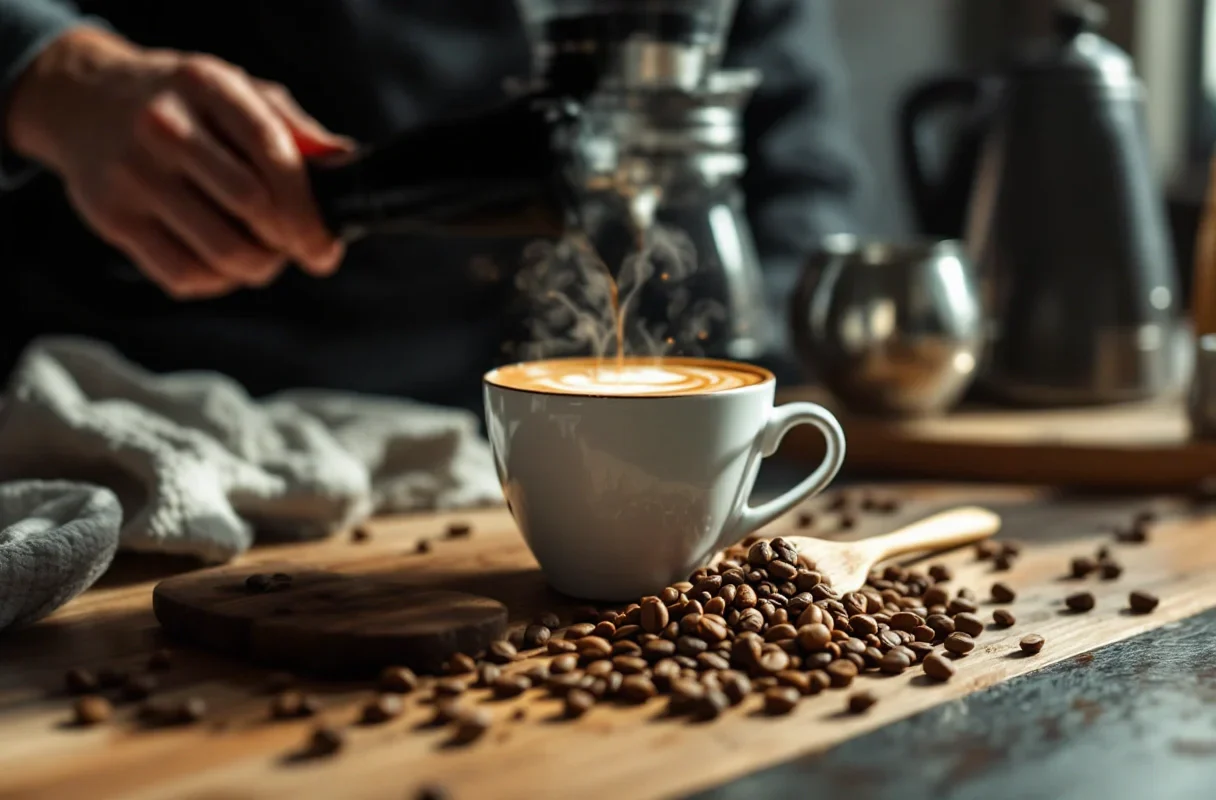
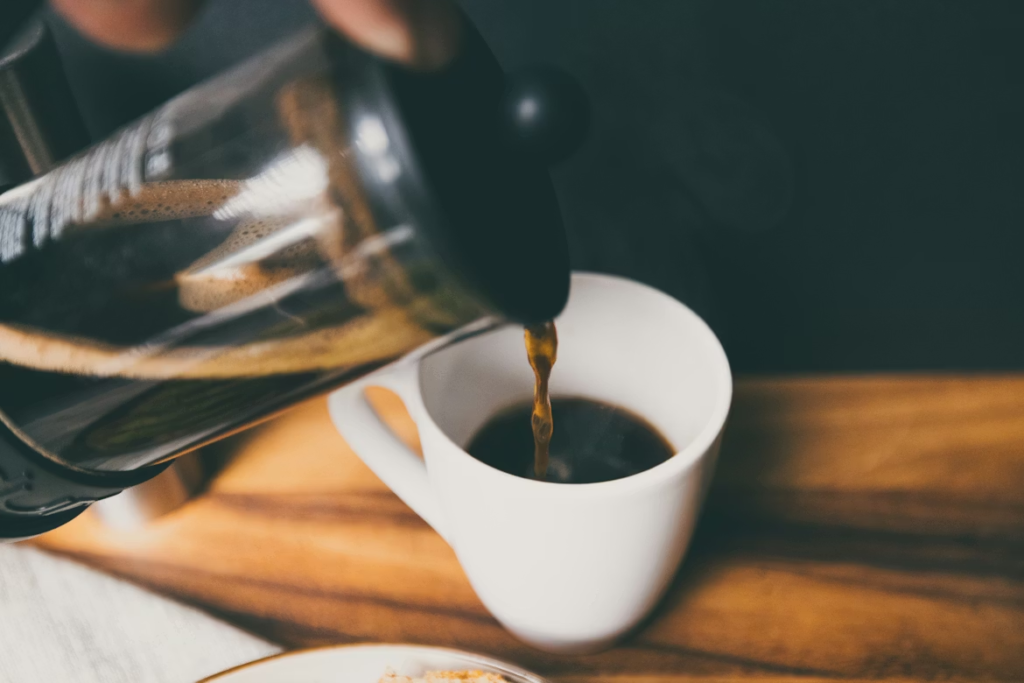
Australians aren’t just into their coffee – they’re on a first-name basis with it. For many, the daily flat white is less a beverage and more a sacred ritual, but there’s something deeply satisfying about nailing café-level magic in your own kitchen. With a pinch of knowledge (and, let’s be honest, the right gadgets), you can transform sleepy mornings into full-on barista brilliance.
Consider this guide your cheat sheet to brewing greatness, guaranteed to impress yourself – and possibly induce envy in your friends.
Essential Equipment for a Perfect Home Brew Setup
Building your own home café doesn’t require industrial equipment or counter space you don’t have. Forget the behemoth machines; all you need is a digital scale – because “guesstimating” is just another word for unpredictable coffee. Precision is your playmaker. Next up: a gooseneck kettle, your new power tool for pour-over control that would make any manual brew method jealous. And pick a brewing device that matches your vibe, from the big bear hug of a French press to the elegantly crisp V60.
Choosing the Right Beans: Roast Profiles and Freshness
Every top-notch cup starts with the beans. Life’s too short for sad supermarket leftovers – track down fresh roasts from your local Aussie roastery. Always check the roast date: coffee is at its best within one to four weeks post-roast. Light roasts deliver zippy florals and fruitiness, while medium roasts are like the peacekeepers – just enough sweetness, just enough acidity. Craving drama? Dark roasts bring the bold richness and a hit of cocoa. Tip: match your roast to your brewing method for truly glorious results.
Mastering the Grind: Why Consistency Matters for Flavour
Not all grinders are created equal. If your grind size is all over the shop, so is your coffee. Burr grinders are your MVPs – they consistently deliver, while blade grinders leave you with everything from rock gravel to fairy dust. Pair your grind to your brew: fine when you shop espresso beans, medium for drip, and chunky for the French press. Tinkering with grind size is the quickest shortcut from “meh” to “magnificent.”
Water Temperature and Quality: The Hidden Variables
Think coffee is just about the beans? Actually, it’s about 98% water with a side of good intentions. Bad water means bad coffee, even if your beans are pretentious single origin stunners. Skip tap water that smells like a swimming pool – go filtered. And temperature? Boiling water is a coffee villain, murdering flavour with every pour. Let it cool down to 90–96°C for a cup that won’t betray you. No thermometer? No worries – just give your water a minute to cool post-boil and pour away.
Troubleshooting: When Good Beans Go Bad
Bitter brew got you making a face? You probably over-extracted it. Think of it as leaving the teabag in for a week. Try a coarser grind or cooler water. If your coffee is so sour it makes you question your life choices, that’s under-extraction. Go for a finer grind or a longer brew time. These little tweaks are your secret weapon against a cup of liquid disappointment.
Go Forth and Brew
Making great coffee isn’t rocket science, but it does demand a little more effort than just hitting a button. Use fresh beans, get your grind right, and measure things. Tweak one variable at a time, unless you enjoy chaos. Most importantly, enjoy the process and show off your new skills. You’re now officially a coffee snob – embrace it!
