


Where Are Chromosomes Found in a Cell: Imagine yourself under a microscope, peering into the world of a cell. You’d be astonished at the tiny, yet complex, structures that lie within. Among these, chromosomes stand out as the carriers of our genetic information. But where exactly are chromosomes found in a cell? Let’s dive into this fascinating topic!
Introduction
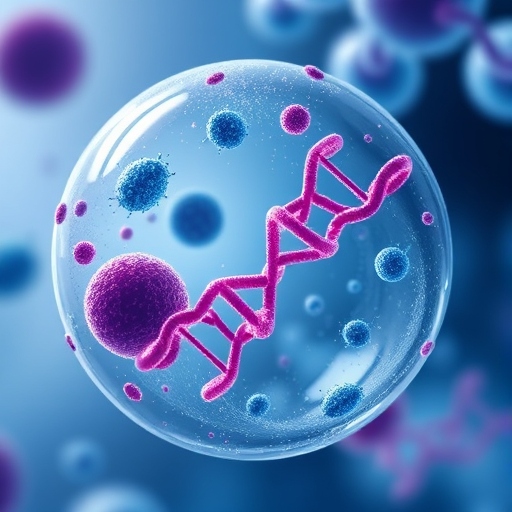
Before we get into the specifics of where chromosomes are found, let’s take a quick tour of a cell’s structure. Think of a cell as a bustling city, with various organelles performing specific tasks. Each organelle has a role, and the nucleus is the city’s headquarters, storing blueprints—our genetic material. Now, inside this blueprint, you’ll find the chromosomes that carry the essential instructions for building and maintaining life.
The Role of Chromosomes in a Cell
Chromosomes are not just random fragments of DNA—they are the highly organized structures that contain our genes. They are composed of DNA wrapped around proteins called histones. The genetic information they hold dictates everything from how cells grow to how they respond to environmental changes. So, where are these crucial structures located?
Chromosomes in the Nucleus: The Central Hub
One of the most important things to understand about chromosomes is that they are primarily found in the nucleus of eukaryotic cells. The nucleus serves as the control center, keeping the chromosomes secure and organized. In fact, if you were to zoom into a eukaryotic cell, you’d find the chromosomes carefully tucked inside the nucleus.
Nucleus vs. Cytoplasm
Interestingly, chromosomes are not found in the cytoplasm of a cell, which is where all the other organelles float. The cytoplasm plays a vital role in cell processes, but when it comes to storing genetic material, the nucleus is the VIP area.
Key Points:
- Chromosomes are found in the nucleus of eukaryotic cells.
- In prokaryotic cells, like bacteria, chromosomes are found in the nucleoid region, which is a bit more free-floating than the nucleus.
The Structure of Chromosomes: A Closer Look
To understand how chromosomes function, we need to get a bit technical. Chromosomes are made up of DNA (deoxyribonucleic acid), which holds the genetic blueprint. This DNA is coiled tightly around proteins called histones, forming a structure known as chromatin. When the cell prepares to divide, the chromatin condenses into distinct chromosomes.
Did You Know?
Each human cell contains 46 chromosomes—23 pairs. That’s a lot of genetic information packed into such a small space!
The Chromosomes’ Journey in Cell Division
Now, let’s talk about cell division. When cells divide (whether in mitosis or meiosis), chromosomes become even more important. During mitosis, for example, the chromosomes line up at the center of the cell, ensuring that each daughter cell gets an identical set. This process is crucial for growth and repair in our bodies.
Chromosomes in Mitosis and Meiosis
When a cell undergoes mitosis, the chromosomes condense, become visible, and are separated into two sets. This ensures that both new cells receive an identical set of chromosomes. On the other hand, meiosis—which occurs during the formation of gametes (egg and sperm)—involves two rounds of division, reducing the chromosome number by half, ensuring genetic diversity.
Chromosomes in Prokaryotic Cells: A Different Setup
It’s time to switch gears and talk about prokaryotic cells. Unlike eukaryotic cells, prokaryotes (like bacteria) don’t have a nucleus. Instead, their chromosomes are found in a region called the nucleoid. Though the structure is less organized than in eukaryotes, the chromosomes still play the same critical role in carrying genetic information.
The Mysteries of Chromosome Number and Shape
Here’s a curious fact: not all organisms have the same number of chromosomes. For example, humans have 46 chromosomes, but fruit flies have just 8. The shape and structure of chromosomes can also vary. Some organisms have circular chromosomes, while others, like humans, have linear chromosomes.
A Fun Fact:
Bananas have 11 chromosomes—yet, we share about 60% of our DNA with them!
Chromosomes and Genetic Disorders
Sometimes, things don’t go as planned, and chromosomes can become damaged or mismatched. This can lead to genetic disorders. One of the most well-known genetic disorders related to chromosomes is Down syndrome, which occurs when a person has an extra copy of chromosome 21.
Understanding the chromosome structure and how they are distributed in the nucleus helps scientists develop ways to diagnose and treat such conditions.
Frequently Asked Questions
Where Are Chromosomes Found in a Cell located in a eukaryotic cell?
In eukaryotic cells, chromosomes are located inside the nucleus. The nucleus acts as the control center of the cell, where the genetic material, in the form of DNA, is stored and organized into chromosomes.
Do prokaryotic cells have chromosomes?
Yes, prokaryotic cells, such as bacteria, have a single circular chromosome. Unlike eukaryotic cells, prokaryotes do not have a defined nucleus; instead, the chromosome is located in a region called the nucleoid.
What is the structure of chromosomes in human cells?
In human cells, chromosomes are linear structures made of tightly coiled DNA and proteins. Each human cell typically contains 46 chromosomes, arranged in 23 pairs, with one set inherited from each parent.
Can chromosomes be found outside the nucleus?
In eukaryotic cells, chromosomes are generally found inside the nucleus. However, during cell division, chromosomes become visible in the cytoplasm as they condense and align to ensure proper cell division.
How do chromosomes relate to the genetic information in a cell?
Chromosomes carry the genetic information necessary for cell function and organism development. They are composed of DNA, which contains genes—the instructions for producing proteins that regulate various cellular activities.
Conclusion
In summary, chromosomes are vital structures found primarily in the nucleus of eukaryotic cells, holding the genetic information necessary for life. From their organization in the nucleus to their role in cell division, these structures are fundamental to the processes that make us who we are.
So, the next time you think about your DNA, remember that these amazing structures are the custodians of your genetic legacy—secure in the nucleus, ready to carry out the orders that make you… you!