

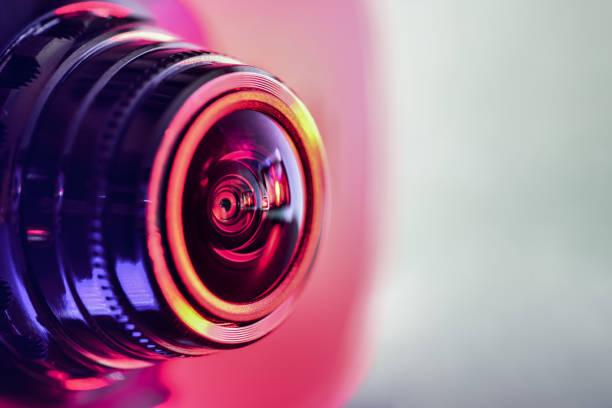
Choosing the right camera lens for videography can significantly impact the quality and creativity of your video projects. With numerous options available, it’s crucial to understand the types of lenses, their features, and how they can enhance your filmmaking. In this guide, we’ll talk about important things to think about when choosing the best camera lens for videography. We’ll also have some questions and a conclusion to help you make a good choice.
Understanding Camera Lenses
Before diving into the specifics, it’s essential to understand what a camera lens does. The lens focuses light onto the camera’s sensor, shaping how the final image or video will look. In videography, the choice of lens can affect depth of field, perspective, and the overall mood of your footage.
Types of Lenses
Here we will describe different types of camera lenses to understand the needs.
Prime Lenses
Definition: Prime lenses have a fixed focal length (e.g., 35mm, 50mm).
Advantages: They offer superior image quality, wider apertures for low-light performance, and create beautiful background blur (bokeh).
Use Cases: Ideal for interviews, cinematic shots, and situations where you need high-quality imagery.
Zoom Lenses
Definition: Zoom lenses have variable focal lengths (e.g., 24-70mm).
Advantages: Versatile and convenient, allowing you to quickly adjust the framing without changing lenses.
Use Cases: Suitable for events, weddings, or documentaries where the shooting environment can change rapidly.
Wide-Angle Lenses
Definition: Lenses with a focal length shorter than 35mm.
Advantages: Capture more of the scene, making them perfect for landscapes or tight spaces.
Use Cases: Great for establishing shots, vlogs, and architecture videos.
Telephoto Lenses
Definition: Lenses with longer focal lengths (e.g., 70-200mm).
Advantages: Allows you to capture distant subjects with excellent detail.
Use Cases: Ideal for wildlife videography, sports, and interviews from a distance.
Macro Lenses
Definition: Designed for extreme close-ups, usually at a 1:1 ratio.
Advantages: Perfect for capturing intricate details and textures.
Use Cases: Suitable for product videos, nature films, and artistic shots.
Key Factors to Consider
When selecting the perfect camera lens for videography, consider the following factors:
1. Focal Length
Focal length plays a crucial role in determining how much of the scene will be captured. It influences the perspective and composition of your shots.
- Short Focal Lengths (Wide-Angle): Great for expansive landscapes and cramped interiors.
- Medium Focal Lengths: Good for interviews and general-purpose shooting.
- Long Focal Lengths (Telephoto): Perfect for isolating subjects and capturing distant details.
2. Aperture
The aperture of a lens affects the amount of light that enters the camera and influences depth of field.
- Wide Aperture (e.g., f/1.8): Allows more light, useful for low-light situations and achieving shallow depth of field for a cinematic look.
- Narrow Aperture (e.g., f/8): Reduces light intake, which is beneficial for landscape shots where you want everything in focus.
3. Lens Mount Compatibility
Ensure that the lens is compatible with your camera’s mount type. Each camera brand (Canon, Nikon, Sony, etc.) has specific lens mounts. Adapters may be available, but using native lenses usually guarantees better performance.
4. Stabilization
Video footage can be shaky, especially when handheld. Look for lenses with built-in image stabilization (IS) to minimize this issue. Alternatively, consider using a gimbal for smoother shots.
5. Build Quality
A well-built lens is crucial for durability, especially in outdoor or challenging environments. Look for lenses with weather sealing if you plan to shoot in various conditions.
6. Budget
Camera lenses can range from affordable to highly expensive. Set a budget that allows for quality while considering future investments in your videography gear.
FAQs About Selecting Camera Lenses for Videography
Q1: Can I use any lens for videography?
Yes, but certain lenses are better suited for video due to their features, such as smooth focus transitions and a wider aperture. It’s essential to choose a lens that fits your specific videography needs.
Q2: Is a prime lens better than a zoom lens for videography?
It depends on your shooting style. Prime lenses offer superior image quality and wider apertures, while zoom lenses provide versatility. For narrative filmmaking, prime lenses are often preferred, while for events, zoom lenses are more practical.
Q3: How important is the lens aperture for video?
A wider aperture allows more light, making it easier to shoot in low-light conditions and achieve a shallow depth of field. However, your choice should align with the look you want to achieve.
Q4: What focal length is best for interviews?
A lens with a focal length of 50mm to 85mm is best for interviews. It gives a good view and depth of field that keeps the subject in focus while blurring the background.
Q5: How do I choose a lens for vlogging?
For vlogging, a wide-angle zoom lens (e.g., 10-18mm) is often recommended. It allows you to capture more of the scene and gives you the flexibility to adjust your framing while talking to the camera.
Conclusion
To choose the best camera lens for videography, you need to know how you shoot, what kind of shots you want to take, and the technical features of each lens. Whether you opt for a prime lens for its cinematic quality or a zoom lens for versatility, the right choice can enhance your storytelling and improve your overall video quality. Remember to consider factors like focal length, aperture, compatibility, stabilization, build quality, and budget when making your decision.
By taking the time to choose the right lens, you’ll be well on your way to creating stunning video content that captivates your audience.