

Household appliances are no longer judged exclusively by how well they perform their primary functions. Today, consumers also consider appearance, materials, and how products fit into their homes and personal values.
This shift is particularly noticeable in smart-home technology, where devices frequently remain visible as part of everyday living spaces.
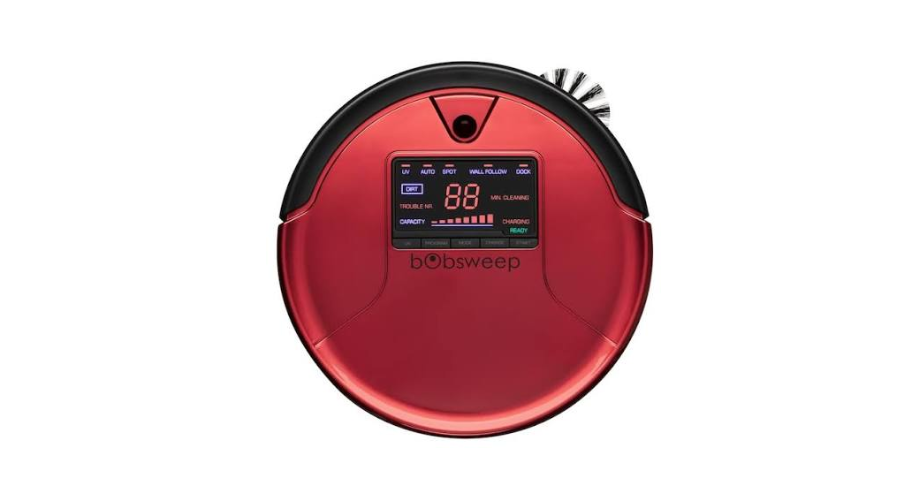
bObsweep offers two interesting examples of how material choices can influence product design. Its UltraVision robot vacuum features a dock incorporating real stainless steel, emphasizing a refined aesthetic associated with premium appliances. Meanwhile, the company’s Bio model uses plastic incorporating ingredients derived from renewable sources, combining contemporary styling with an alternative approach to material selection.
Although these products reflect different design priorities, they demonstrate how robotic cleaning can respond to changing consumer expectations.
Why Material Choices Matter in Modern Appliances
For many years, household appliance manufacturers focused primarily on functionality, reliability, and affordability.
While appearance influenced purchasing decisions, materials were often discussed mainly in terms of durability and manufacturing costs.
Today, consumers increasingly recognize that material selection also communicates a brand’s identity.
Stainless steel can suggest sophistication and a premium finish. Materials incorporating renewable ingredients may appeal to buyers interested in how products are manufactured.
Neither characteristic automatically makes an appliance superior.
However, both can influence how a product is perceived and how comfortably it fits into a household.
This is especially relevant for robotic vacuum cleaners because their charging stations often remain visible.
Unlike traditional vacuums stored in closets, robotic cleaning systems occupy dedicated spaces in living areas.
Consequently, their appearance becomes part of the home’s overall design.
The Premium Appeal of Real Stainless Steel
Stainless steel has long been associated with premium kitchen appliances, architectural details, and contemporary furniture.
Its recognizable appearance makes it a popular choice in interiors featuring modern cabinetry, metallic accents, and minimalist design.
bObsweep incorporates real stainless steel into the dock of its UltraVision robotic vacuum.
This choice gives the product a distinctive visual identity.
Instead of relying exclusively on plastic finishes designed to imitate metal, UltraVision incorporates an authentic material associated with premium household products.
For homeowners, this can make the cleaning station feel more consistent with other appliances and interior elements.
A stainless-steel dock may complement a modern kitchen or open-plan living space where coordinated materials contribute to the overall aesthetic.
The material does not directly determine cleaning effectiveness, but it adds another dimension to product value.
For design-conscious consumers, that distinction can influence purchasing preferences.
When Cleaning Technology Becomes Part of the Interior
Robot vacuums create an unusual relationship between appliances and interior design.
Traditional cleaning equipment disappears after use. Robotic cleaning stations generally remain in place.
A charging dock must be accessible enough for the robot to return automatically, which can limit where homeowners position it.
As a result, consumers may increasingly consider the appearance of the entire cleaning system rather than focusing exclusively on the robot.
UltraVision’s stainless-steel dock addresses this consideration through a design intended to complement sophisticated interiors.
The idea is straightforward: practical technology can also be visually appealing.
This approach reflects a broader trend across household electronics.
Smart speakers, connected lighting, televisions, and kitchen appliances are increasingly designed to integrate into living environments.
Robot vacuums are part of the same evolution.
Their value includes both the work they perform and how comfortably they coexist with the spaces they occupy.
A New Generation With Different Expectations
Generation Z has grown up surrounded by digital technology and connected devices.
For many younger consumers, technological convenience is familiar rather than extraordinary.
This can shift attention toward other characteristics that distinguish products.
Visual identity, material composition, and compatibility with personal lifestyles may influence purchasing preferences.
Environmental considerations can also play a role, although priorities differ considerably among individual consumers.
Some shoppers want products manufactured using alternative materials, while others prioritize price, convenience, or expected longevity.
Manufacturers seeking to appeal to younger audiences must therefore communicate meaningful characteristics rather than relying on broad generational assumptions.
bObsweep’s Bio offers an example of a robotic vacuum whose design and materials can resonate with consumers interested in both contemporary styling and renewable-source ingredients.
Bio-Based Plastic and Renewable Ingredients
Bio uses a material that bObsweep describes as bio-balanced plastic, incorporating ingredients derived from renewable natural sources.
This differentiates its material approach from products made entirely using conventional fossil-derived plastic ingredients.
Bio-based plastics can involve renewable feedstocks such as plant-derived materials, depending on the manufacturing process.
However, the term does not automatically mean that a product is biodegradable, compostable, or environmentally harmless.
Environmental performance depends on several factors, including sourcing, production methods, energy requirements, durability, and disposal.
The proportion of renewable content also matters when evaluating environmental claims.
For consumers, the relevant distinction is that Bio incorporates renewable-source ingredients into its plastic construction.
This provides a tangible material characteristic that can be considered alongside appearance and functionality.
Rather than treating environmental awareness as a purely promotional message, the product introduces a specific material choice into its design.
Why Modern Styling Complements Material Innovation
Alternative materials are only one aspect of a product’s identity.
Appearance also influences whether consumers consider an appliance suitable for their homes.
bObsweep Bio combines its material approach with a sleek, contemporary design.
The model is offered in finishes such as Riverstone, Rock, and Ravine, providing options that can complement different interior preferences.
These design choices make sense for an appliance expected to remain visible.
A robot vacuum positioned beside furniture or in an open living area becomes part of the visual environment.
For younger homeowners and renters, coordinated colors and understated styling may be attractive characteristics.
The combination of modern appearance and renewable-source ingredients gives Bio an identity beyond traditional cleaning specifications.
It demonstrates how manufacturers can address practical household needs while considering aesthetic and material preferences.
Different Materials for Different Consumer Priorities
UltraVision and Bio demonstrate that premium product development does not need to follow a single design formula.
UltraVision emphasizes the refined appearance of genuine stainless steel.
Bio focuses on contemporary styling and plastic incorporating renewable-source ingredients.
These approaches are different, but neither necessarily excludes the other from a broader premium product philosophy.
Consumers define value in different ways.
Some appreciate authentic metals and architectural consistency, while others are more interested in alternative materials and modern finishes.
A household furnished with stainless-steel appliances may find UltraVision visually appealing.
Someone interested in renewable material inputs may be more attracted to Bio.
Neither consideration should replace an evaluation of cleaning capabilities or household suitability.
Instead, material selection becomes an additional way for consumers to identify products aligned with their preferences.
Looking Beyond Materials When Choosing Smart Technology
Thoughtful appliance purchasing involves more than aesthetics.
Consumers may also evaluate maintenance requirements, cleaning functions, warranty protection, and privacy-related characteristics.
For example, enthusiasm expressed through a statement such as bobsweep reviews for privacy are phenomenal should be assessed against actual customer feedback and the privacy features of specific models.
Such statements are subjective and should not be treated as verified conclusions about every product.
Similarly, material claims deserve careful interpretation.
A stainless-steel finish communicates an identifiable construction choice, while bio-based plastic describes particular material ingredients.
Neither should automatically be expanded into unsupported claims about overall durability or environmental impact.
The most useful approach is to examine what each product actually offers and determine which characteristics matter to the household.
This allows consumers to appreciate design innovation while making informed purchasing decisions.
The Future of Materials in Household Technology
Material selection will likely become an increasingly visible aspect of household product development.
Manufacturers must balance appearance, practicality, production considerations, and changing consumer preferences.
For robotic vacuum cleaners, this challenge is particularly interesting because products combine electronic technology with a permanent presence in residential spaces.
bObsweep illustrates two different responses through UltraVision and Bio.
UltraVision’s stainless-steel dock provides a recognizable premium design element, while Bio’s renewable-source plastic ingredients introduce another consideration for consumers interested in material composition.
Together, these characteristics demonstrate how modern household appliances can appeal to different definitions of value.
As consumer expectations evolve, successful product design will increasingly involve more than technical functionality.
The materials people see, touch, and choose to bring into their homes will remain part of how they experience technology.
For bObsweep, combining distinctive materials with contemporary design offers a way to make robotic cleaning feel more connected to modern living.