

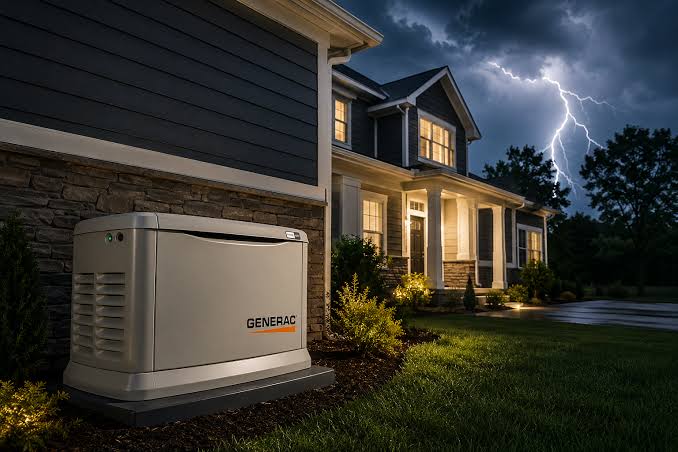
Unexpected power outages can disrupt daily routines, affect business operations, and create unnecessary stress for homeowners. Whether caused by severe weather, electrical issues, or utility interruptions, losing electricity can affect essential appliances, heating and cooling systems, security equipment, and other important devices. Installing a dependable backup generator is an effective way to prepare for unexpected power interruptions.
For homeowners and businesses looking for professional Generator Installation in Galesburg, IL, choosing an experienced electrical contractor is an important step toward reliable backup power. A properly selected and professionally installed generator can help maintain essential electrical functions when the main power supply becomes unavailable.
Why Generator Installation Is Important in Galesburg, IL
Power outages can happen without warning, making backup electricity an important consideration for residential and commercial properties. Even a short interruption can cause inconvenience, particularly when essential equipment depends on a consistent electricity supply.
A standby generator provides an additional source of power when utility electricity is interrupted. Depending on its capacity and configuration, it can support selected electrical circuits or provide backup power for a larger portion of the property.
For Galesburg property owners, installing a generator offers several advantages:
- Continuous Power: Keep essential electrical equipment operating during outages.
- Home Comfort: Maintain heating, cooling, lighting, and refrigeration when supported by the generator.
- Business Continuity: Reduce interruptions to important business activities.
- Property Protection: Help protect equipment and essential systems that depend on electricity.
- Greater Peace of Mind: Feel more prepared when unexpected power interruptions occur.
Choosing the Right Backup Generator for Your Property
Selecting the right generator involves understanding your property’s electricity requirements. Different homes and businesses have different power demands, so choosing a generator based only on its appearance or price may not provide the desired results.
Before installation, consider which appliances, systems, and equipment you want to operate during an outage.
Standby Generators
Standby generators are permanently installed outside a property and are designed to provide backup electricity when utility power fails. Depending on the system, an automatic transfer switch can detect a power interruption and transfer the electrical load to the generator.
These systems are suitable for homeowners who want a convenient backup power solution without manually connecting a portable generator.
Portable Generators
Portable generators offer flexibility for properties that need temporary or limited backup electricity. They can support selected equipment when used with appropriate connections and safety precautions.
A qualified electrician can help determine the correct electrical connection method and whether a transfer switch or other equipment is needed.
Whole-Home and Partial-Home Backup Systems
Some property owners prefer backup power for the entire home, while others only need essential circuits to remain operational. Whole-home systems generally require greater capacity, while partial-home systems can focus on important appliances and equipment.
An electrical assessment helps determine which solution makes the most sense for your property and budget.
What Does Professional Generator Installation Include?
A generator installation involves more than placing equipment outside a building. Proper planning, electrical connections, equipment selection, and system testing are essential for safe and dependable operation.
Professional generator installation may include the following steps:
1. Property Assessment
The installation process begins with evaluating the property’s electrical requirements. Electricians review the existing electrical system, available installation space, and the equipment that needs backup power.
2. Generator Selection and Sizing
Generator capacity should match the property’s expected electrical load. Choosing an appropriately sized system helps prevent unnecessary strain and supports reliable operation.
3. Generator Placement
The generator must be installed in a suitable outdoor location with appropriate clearance, ventilation, and accessibility. Installation requirements depend on the equipment manufacturer’s instructions and applicable local codes.
4. Electrical Wiring and Transfer Switch Installation
A transfer switch allows electricity to move safely between the utility supply and generator. Automatic and manual transfer switches are available depending on the system design.
Professional wiring and correct connections help prevent dangerous backfeeding and other electrical hazards.
5. System Testing
After installation, the generator and associated equipment should be tested to verify proper operation. Testing helps confirm that the system starts, transfers power, and supplies the intended electrical loads correctly.
Benefits of Hiring Professional Generator Installers
Generator installation requires electrical knowledge and careful attention to safety requirements. Incorrect wiring, improper placement, or unsuitable equipment can create serious hazards and prevent the system from working correctly.
Working with experienced electrical professionals offers several benefits:
- Proper generator sizing based on electrical requirements.
- Safe installation and electrical connections.
- Appropriate transfer switch configuration.
- Compliance with applicable electrical codes.
- Professional system testing and operational guidance.
- Recommendations for future maintenance.
Professional installation also helps property owners understand how their backup power systems work and what maintenance is necessary to keep them ready.
Generator Maintenance for Long-Term Reliability
Installing a generator is only the first step. Regular maintenance is important because backup generators may remain unused for extended periods before an outage occurs.
Without proper maintenance, problems involving batteries, filters, fuel systems, electrical connections, or transfer switches can affect performance.
Routine generator maintenance may include:
- Inspecting the generator and its components.
- Checking battery condition and connections.
- Replacing oil and filters according to manufacturer recommendations.
- Inspecting fuel connections and related components.
- Testing automatic transfer switch operation.
- Checking warning indicators and system controls.
- Running operational tests according to manufacturer guidelines.
Regular inspections can help identify potential problems before they become unexpected failures.
Why Choose Blackhawktric & Generators Inc?
Finding a dependable electrical contractor is an important part of planning a backup power installation. Property owners need professionals who understand generator systems, electrical requirements, and the importance of safe workmanship.
Blackhawktric & Generators Inc provides electrical and generator-related services for residential and commercial customers. The company offers generator installation, maintenance, repairs, and transfer switch services, helping customers explore backup power solutions for their properties.
Working with an experienced electrical team can make the installation process easier, from selecting an appropriate generator to completing the electrical connections and testing the system.
Customers should also consider the contractor’s licensing, insurance, installation experience, communication, and understanding of applicable local requirements when choosing a generator installer.
Protect Your Property With Reliable Backup Power
Unexpected electricity interruptions do not have to leave your home or business without a plan. A properly installed generator can provide valuable support during outages, helping maintain essential electrical equipment and reduce disruptions.
If you are considering a new backup power system, start by evaluating your property’s electrical requirements and identifying which appliances or business operations need electricity during an outage.
For professional Generator Installation in Galesburg, IL, contact Blackhawktric & Generators Inc to discuss your backup power needs, explore available generator options, and request an installation estimate.
Preparing today can help you stay comfortable, productive, and better protected when the next power outage occurs.
Frequently Asked Questions (FAQs)
1. How much does generator installation cost in Galesburg, IL?
The total cost depends on generator capacity, equipment type, installation location, transfer switch requirements, electrical work, and other project-specific factors. Requesting a professional estimate is the best way to understand the expected cost.
2. How long does generator installation take?
Installation time depends on the generator type, property layout, electrical requirements, site preparation, and any additional work needed. A professional installer can provide a more accurate timeline after assessing the property.
3. What size generator do I need for my home?
The appropriate generator size depends on the appliances and electrical systems you want to operate during an outage. An electrician can calculate your expected electrical load and recommend a suitable generator.
4. Do standby generators turn on automatically?
Many standby generators include an automatic transfer switch that detects utility power interruptions and transfers the electrical load to the generator. The exact operation depends on the equipment and installation configuration.
5. Do generators require regular maintenance?
Yes. Generators require periodic inspections and maintenance, including battery checks, oil and filter changes, and operational testing according to manufacturer recommendations.
6. Can a generator power an entire business?
Yes, depending on the generator’s capacity and the business’s electrical requirements. A properly designed system can provide backup electricity for selected equipment or larger portions of a commercial property.