

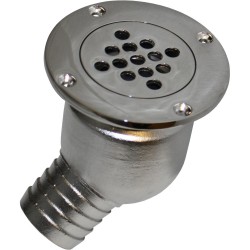
Water management is an essential part of maintaining any boat. Whether water enters through rain, splashing, cleaning, or normal operation, it needs to be removed efficiently to help keep the vessel safe and comfortable. Drain plugs are small but important marine components that help control water flow and prevent unwanted water from entering specific areas of a boat.
What Are Drain Plugs?
Drain plugs are removable fittings designed to seal openings and control the movement of water. They are commonly found in boats, dinghies, livewells, bait tanks, coolers, and other marine applications where controlled drainage is required.
Their simple design makes them easy to install, remove, and maintain. Despite their compact size, a reliable drain plug can play an important role in preventing leaks and supporting effective water management.
Why Quality Drain Plugs Matter
A properly fitted drain plug creates a secure seal around an opening. This helps prevent unwanted water from entering compartments while also allowing water to be released when drainage is required.
For boat owners, dependable drain plugs can provide greater confidence during launching, transportation, storage, and everyday use. A worn, damaged, or incorrectly sized plug may not create an effective seal, making regular inspection an important part of boat maintenance.
Different Types of Drain Plugs
Marine drain plugs are available in several styles to suit different applications. Threaded plugs are commonly used in drain openings where a secure connection is required. Push-in and snap-style plugs can provide quick installation and removal, making them convenient for frequently accessed drainage points.
Some drain plugs are designed specifically for transoms, while others are intended for livewells, bait tanks, or small watercraft. Choosing a plug that matches the opening and intended application is essential for achieving a proper fit.
Durable Marine Materials
Because drain plugs are frequently exposed to water, marine environments can be demanding on materials. High-quality products may be manufactured from rubber, plastic, stainless steel, brass, or other corrosion-resistant materials.
Flexible rubber components can provide effective sealing, while durable metal parts can offer strength and longevity. The best material depends on the location and operating conditions of the plug.
Easy Installation and Replacement
One of the advantages of drain plugs is their straightforward installation. Many designs can be fitted without complicated tools, allowing boat owners to replace worn plugs quickly.
Before installation, the opening should be clean and free from dirt or debris. The plug should be checked for correct sizing and positioned according to the manufacturer’s instructions. A secure fit helps ensure that the plug performs as intended.
Keeping spare drain plugs on board is also a useful practice. Since they are relatively small and easy to store, carrying replacements can be helpful during longer trips or boating activities.
Maintenance and Inspection
Regular inspection can help identify potential problems before they become inconvenient. Boat owners should look for cracks, deformation, corrosion, worn sealing surfaces, or other signs of damage.
Cleaning plugs after use can help remove salt, sand, and other debris that may affect the seal. Flexible rubber plugs should also be checked periodically to ensure they have not become excessively hard or brittle.
If a plug no longer fits securely or shows significant wear, replacing it is a simple and practical maintenance step.
Conclusion
Drain plugs may be small components, but they provide an important function in effective boat water management. From transom drains to livewells and other marine compartments, the right plug can provide a dependable seal while allowing controlled drainage when needed.
By choosing durable materials, selecting the correct size and style, and inspecting plugs regularly, boat owners can support better vessel maintenance and enjoy greater confidence on the water. A quality drain plug is a simple investment that can make a meaningful difference to everyday boating convenience and reliability.