

Introduction
Modern electronic devices need reliable components to manage electrical power safely and efficiently. From industrial equipment and power supplies to consumer electronics and energy systems, power semiconductor devices help control voltage, current, and energy flow. High-voltage metal-oxide-semiconductor field-effect transistors, commonly known as HV MOSFETs, are important parts of many power management circuits. They support fast switching, efficient energy conversion, and dependable system operation when selected and applied correctly. Good-Ark is an established semiconductor company with a history of developing diode products and expanding its presence in the global electronics industry. Its focus on long-term growth, customer appreciation, employee development, and manufacturing excellence reflects a commitment to building lasting business relationships. For engineers, manufacturers, and electronic component buyers, understanding the role of a Good-Ark HV MOSFET and the key factors behind high-voltage switching technology can help support better component selection and more efficient electronic designs.
Understanding High-Voltage MOSFET Technology
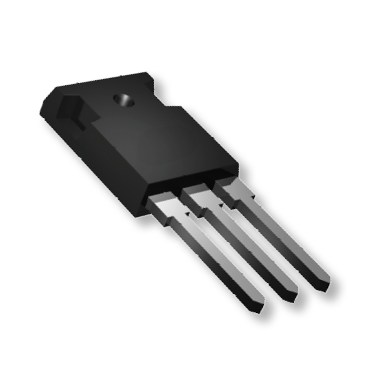
A high-voltage MOSFET is a semiconductor switching device designed to control electrical power in circuits that operate at elevated voltages. Unlike a basic mechanical switch, a MOSFET can switch rapidly between conducting and nonconducting states using an electrical signal applied to its gate terminal. This capability makes it useful in switched-mode power supplies, industrial power converters, motor control systems, and other applications that require controlled energy transfer. High-voltage MOSFETs are designed to withstand specified drain-to-source voltages while managing current and heat within their operating limits. Their performance depends on several electrical characteristics, including on-resistance, gate charge, switching speed, and thermal resistance. Choosing the correct device requires engineers to consider the complete circuit rather than voltage rating alone. A suitable MOSFET can help reduce switching losses, improve energy conversion, and support stable operation across changing electrical loads.
Good-Ark is known for its development in the semiconductor and diode industry, with a company history that began in 1991. Over the years, the business has described its growth as a journey built on employee dedication, customer support, and continuous improvement. When evaluating a Good-Ark HV MOSFET for a particular application, buyers should confirm the exact product specifications and availability through official product documentation. It is important not to assume that every device offered by a semiconductor manufacturer supports the same voltage range, package, or switching characteristics. Engineers should review the datasheet, recommended operating conditions, maximum ratings, and application guidance before making a final choice. This careful approach helps ensure that the selected component matches the design requirements and contributes to dependable power management.
The Role of HV MOSFETs in Advanced Power Management
Advanced power management focuses on controlling electrical energy while reducing unnecessary losses and maintaining reliable system performance. HV MOSFETs can support this goal by switching power efficiently in circuits that convert electrical energy from one voltage level to another. For example, switched-mode power supplies use semiconductor switches to regulate energy transfer and provide suitable output voltage for electronic equipment. Inverters and power conversion systems also use switching devices to manage electrical power according to the needs of a connected load. When properly selected, a high-voltage MOSFET can help improve conversion efficiency, reduce heat generation, and support compact circuit designs. These benefits are especially valuable in equipment that operates for long periods or must meet strict thermal and reliability requirements. However, the actual results depend on circuit topology, switching frequency, control methods, cooling arrangements, and the electrical properties of the selected device.
Good-Ark’s broader semiconductor background makes product verification an important step for engineers researching components for power management systems. A reliable design process should consider the complete operating environment, including input voltage changes, load variations, switching transients, and expected service life. Designers must also account for voltage spikes that may occur during switching, especially in circuits with inductive loads. Suitable protection circuits, careful PCB layout, and proper component spacing can help manage these risks. Gate-drive design also matters because the MOSFET must receive an appropriate control signal to switch correctly. By combining verified component specifications with sound engineering practices, manufacturers can develop power electronics systems that balance efficiency, safety, and durability.
Key Factors When Selecting a Good-Ark HV MOSFET
Selecting a high-voltage MOSFET requires more than matching a component to the nominal circuit voltage. The drain-to-source voltage rating must provide suitable protection against expected operating conditions and switching transients. The drain current rating must also be evaluated alongside temperature, cooling, and package limitations because published ratings do not always reflect real-world operating conditions. Another important factor is on-resistance, often written as RDS(on), which affects conduction losses when the device is switched on. Gate charge and switching characteristics influence how much energy is lost during transitions between on and off states. Engineers should also check thermal resistance, maximum junction temperature, package dimensions, and mounting requirements. These specifications help determine whether a device can meet the needs of a particular power supply, converter, or industrial control circuit.
When researching a Good-Ark HV MOSFET, engineers and purchasing teams should use the manufacturer’s official datasheets and product information to confirm technical details. They should verify the exact part number, voltage rating, current rating, package type, and electrical characteristics before approving a component for production. Availability, supply continuity, quality documentation, and technical support may also influence purchasing decisions. For large manufacturing projects, it is useful to establish clear communication with suppliers and review component traceability requirements. Good-Ark’s emphasis on customer appreciation and long-term cooperation provides relevant context for businesses seeking dependable supplier relationships. Nevertheless, each purchasing decision should be based on verified product information, application requirements, and appropriate qualification procedures rather than general company background alone.
Applications Across Modern Electronics and Industry
High-voltage MOSFET technology serves a wide range of applications where electrical power must be controlled accurately. In power supply systems, switching devices help convert incoming electricity into regulated power for computers, communications equipment, and industrial electronics. In renewable energy systems, power semiconductor switches can support energy conversion in solar inverters and related equipment, depending on the circuit design and device ratings. Industrial automation systems may use MOSFETs in power conversion stages, control circuits, and specialized switching applications. Consumer electronics also rely on efficient power management to reduce energy waste and control operating temperatures. In each case, component selection must match the electrical, thermal, and environmental demands of the equipment. A device that performs well in one circuit may not be suitable for another, even when both applications operate at similar voltages.
As electronic systems become more compact and energy efficiency becomes increasingly important, manufacturers continue to evaluate better ways to manage power consumption and heat. High-voltage switching technology is one part of this progress, alongside improved circuit design, advanced control systems, and effective thermal management. Good-Ark’s stated ambition to expand from a recognized Chinese enterprise toward a wider international presence reflects its broader business development goals. For customers, global cooperation depends on consistent communication, clear technical documentation, dependable supply arrangements, and a shared commitment to quality. Engineers considering Good-Ark semiconductor products should review the available product portfolio to determine whether a particular device meets their design needs. Matching verified specifications with sound engineering practices can help businesses develop reliable products for changing market demands.
Good-Ark’s Approach to Growth, Quality, and Customer Relationships
Good-Ark’s company story places strong emphasis on people, learning, responsibility, and long-term cooperation. Its leadership has described employee happiness and customer appreciation as central corporate values. The company also highlights education, self-reflection, and altruism as principles that guide its workplace culture and future vision. These values provide insight into the business philosophy behind its development from a small factory into an established name in the semiconductor industry. In electronics manufacturing, lasting customer relationships require more than competitive pricing. Customers also need accurate product information, responsive communication, dependable quality processes, and a clear understanding of technical requirements. A company culture that encourages learning and continuous improvement can support these goals when translated into consistent operational practices.
For engineers and electronics manufacturers, choosing a semiconductor supplier is a decision that affects product development, production planning, and long-term maintenance. Reviewing official specifications, confirming component authenticity, evaluating supply availability, and checking relevant quality documentation are practical steps toward reducing purchasing risks. Businesses should also consider whether a supplier can support their production needs as designs and market requirements change. Good-Ark’s history of growth and its focus on cooperation offer useful context for customers exploring its semiconductor business. However, the suitability of any specific Good-Ark HV MOSFET must be established through verified technical documentation and application testing. Combining careful supplier evaluation with responsible engineering helps companies build more dependable electronic products and maintain stronger partnerships.
Conclusion
Good-Ark HV MOSFET components are a relevant topic for engineers and manufacturers exploring high-voltage switching technology and advanced power management. HV MOSFETs can help control energy flow, improve conversion efficiency, and support a wide range of electronic and industrial applications when correctly selected and implemented. Important selection factors include voltage rating, current capacity, on-resistance, switching performance, thermal limits, and package requirements. Good-Ark’s development in the semiconductor industry, together with its emphasis on customer appreciation, employee learning, and long-term cooperation, provides a useful background for businesses researching the company. Before selecting a Good-Ark HV MOSFET for production, users should confirm the exact device specifications through official documentation and evaluate its performance under real operating conditions. This combination of careful component selection, sound circuit design, and reliable supplier communication can help manufacturers develop efficient, safe, and durable power management systems.