

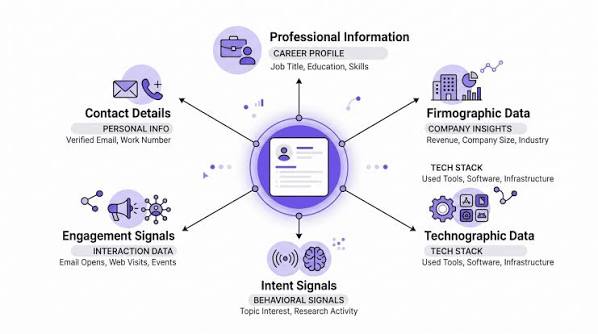
Contact data enrichment should give a team a clearer, better-supported record of the person it intends to contact. Start by checking identity, then review employment and contact fields. Keep the source and check date beside each change. That order reduces the chance of adding fresh details to the wrong profile.
A missing phone number is easy to notice. An incorrect employer is harder to spot when the record looks complete. A sales representative may write a careful message about a project the recipient left months ago. A recruiter may approach a candidate with a role based on an outdated title.
Define the question behind the missing field
In daily work, the useful starting question is narrower: which missing or doubtful detail prevents a responsible next action?
A recruiter deciding whether someone fits a vacancy may need current responsibilities before a phone number. An account manager preparing a renewal may need to know whether the commercial contact still works there. Different questions call for different checks. Filling every available column can bury the information the team actually needs.
Write the intended use above the working list. For example, a list might support invitations to a technical discussion for current infrastructure managers. That description gives the researcher a reason to verify both function and employment. It also makes unrelated personal details unnecessary for the task.
Match the person before changing the record
Use several professional clues to distinguish people with similar names. Compare the profile URL, employer history, location, and published work when relevant. A name match alone leaves too much room for error. If the clues conflict, keep the records separate until you can resolve the difference.
For a profile-based check, the SignalHire contact finder offers one way to look for contact details. Review the returned information alongside the selected profile. A lookup result should not silently replace confirmed information or turn a doubtful match into a trusted identity.
Useful exception flags include:
- Two profiles with the same name and different employment histories.
- A company email associated with an employer the person has left.
- A shared address that could belong to several team members.
- A title that conflicts with a more recent professional source.
Keep field-level evidence visible
A single updated date can give a misleading impression when only one field changed. An email check today does not confirm that a title collected last year remains correct. When the system permits it, store the source and check date for the fields that determine your next action.
Use a small exception table during a cleanup. It helps colleagues see why a record remains on hold and which evidence would allow them to use it. Avoid vague labels such as bad data when a precise explanation is available.
| Field | Question | Hold condition |
| Identity | Is this the intended person? | Conflicting profiles |
| Employment | Is this affiliation current? | Newer source disagrees |
| Is this the appropriate address? | Old employer domain | |
| Contact preference | May this record enter the planned workflow? | Recorded objection |
Build a review process that preserves corrections
- Select a small sample from the workflow you plan to run.
- Check identity and current professional affiliation before requesting missing details.
- Compare returned fields with existing evidence and flag conflicts.
- Save accepted changes with their sources, dates, and responsible owner.
- Recheck suppression rules and previous corrections before exporting the list.
The last step matters when several systems exchange records. A colleague might remove an old address from a customer relationship management system while another export restores it. Define which system holds the accepted correction and how other tools receive that change. Otherwise, the same error can return during the next import.
Measure usable records rather than filled columns
Count how many reviewed records support the intended action after checks. Separate identity mismatches from missing addresses and obsolete employment details. Those categories help you choose between better matching rules, another research source, or a change to the audience definition. A single completeness score cannot explain those differences.
Consider a hypothetical review of twelve records. Eight support the intended outreach, two need identity checks, and two contain current details for irrelevant roles. The second pair needs research. The final pair needs better selection. Purchasing more contact fields would leave the selection mistake untouched.
Schedule another review when a record returns to active use after a long pause, or when new evidence signals a change. The right interval depends on the workflow and consequences of an error. Start with one active list and document the exceptions before applying the same process to a larger database.