


If you have been running a starch line for more than a season, you know that pumps rarely fail without warning. There’s usually a rattle, a drop in pressure, or a slow leak weeks before the actual breakdown, and most plants still miss it until production stops. Starch slurry is thick, gritty, and constantly changing consistency as it moves from steeping to drying, which is exactly the kind of duty that exposes a weak pump fast.
That’s why so many plants eventually switch to established industrial pump manufacturers in India instead of settling for whatever’s cheapest, and why picking the right industrial pump suppliers in India matters more here than in most other industries.
Why Starch Slurry Is Rough on Pumps
Water is forgiving. Starch slurry isn’t. The suspended fibre, the changing viscosity and the temperature swings from stage to stage tend to show wear in a pump built for general purpose use within months, not years. Throw in food-grade hygiene requirements, and the margin for error is reduced even further.
The Problems Plants Run Into Most
| Problem | Likely Cause | What Usually Fixes It |
| Cavitation | Suction pressure drops during steep-water transfer | Correct pump sizing, check suction line for restrictions |
| Impeller wear | Fibre and grit abrading the impeller surface | Switch to abrasion-resistant wetted parts |
| Seal leakage | Repeated temperature swings between stages | Match seal material to the actual temperature range |
| Reduced flow | Partial blockage in narrow slurry lines | Routine flushing, screen inspection |
| Overheating | Pump running outside its rated temperature band | Choose a pump with a wider operating range |
A Closer Look at the Big Three
Cavitation shows up mostly at the steeping and transfer stages, usually because suction pressure wasn’t accounted for properly during pump selection. It sounds like gravel running through the pump, and if it’s ignored, it pits the impeller within weeks.
Impeller wear is the most expensive of the lot because it’s gradual. A standard impeller handling starch slurry can lose efficiency long before anyone notices, quietly driving up energy costs until the pump finally needs replacing altogether.
Seal failure tends to catch plants off guard because it’s rarely about the seal itself, it’s about mismatched expectations. A seal rated for steady room-temperature service won’t hold up once it’s cycling between a cool steeping tank and a hot wash line. None of this is cheap to ignore.
Industrial pump failures cost manufacturing facilities an average of $180,000 per incident once you count downtime, emergency repairs, and lost production, and yet close to 78% of those failures are preventable with the right maintenance and the right pump selection in the first place, according to a widely cited industrial maintenance study by Oxmaint.
How Mackwell Pumps Helps Prevent These Problems
FLOWELL Centrifugal Pump
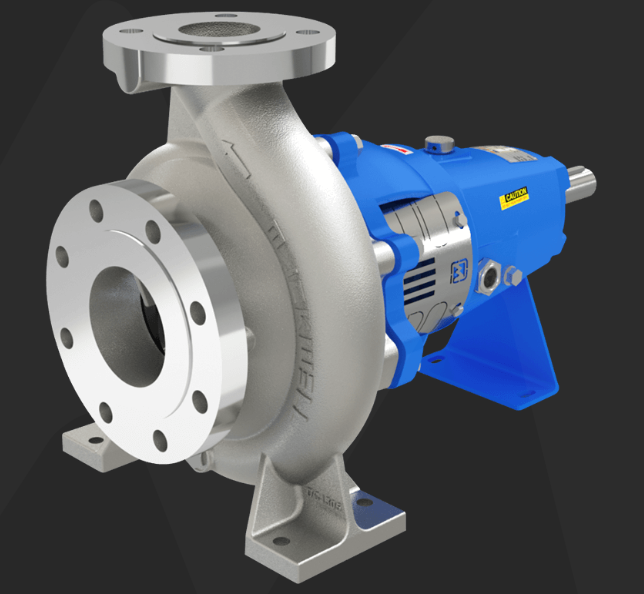
- Built to ISO 2858 and EN 22858 standards
- Flow up to 1,500 m³/hour, head up to 160 metres
- Working temperature range from -50°C to 200°C
- Wide range reduces the seal-mismatch problem across steeping and wash-water circuits
MACKPRO Centrifugal Pump
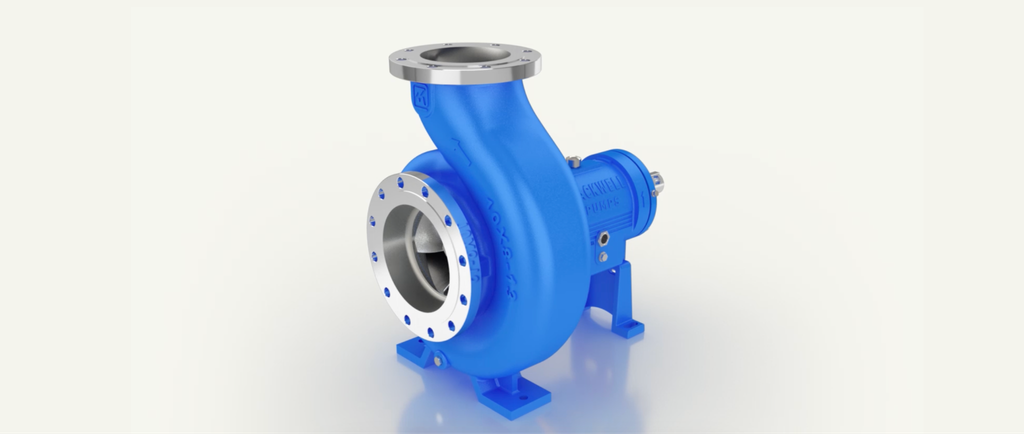
- Designed to ANSI/ASME B73.1 standards for tougher service
- Flow up to 1,590 m³/hr, head up to 223 m
- Temperatures of up to 260°C
- Suitable for thicker slurry and higher pressure transfer where standard pumps will cavitate
Both models use abrasion-resistant wetted parts as standard, which is really the single biggest factor in slowing down impeller wear in starch service.
A Simple Prevention Checklist
- Size the pump to the actual suction conditions, not just the flow rate on paper
- Match seal material to the full temperature range the pump will see, not just the average
- Inspect impellers on a schedule instead of waiting for a drop in output
- Flush slurry lines regularly to catch partial blockages before they become full ones
Choosing a Supplier Who Actually Understands This
A lot of industrial pump suppliers in India will sell you a pump that fits the flow rate on your spec sheet and stop there. That’s usually not enough for starch duty, where suction conditions, slurry composition, and temperature range all decide how long the pump actually lasts.
At Mackwell Pumps, we’re among the industrial pump manufacturers in India that walk through these details before a unit ships, not after it starts failing. It’s a longer conversation upfront, but it’s cheaper than replacing an impeller every few months.
Conclusion
Most pump problems in starch manufacturing trace back to the same root cause: a pump chosen for its price or its flow rating, without much thought for the slurry it will actually handle.
Cavitation, wear, and seal failure are all preventable once the pump matches the real operating conditions. Getting that right the first time is usually cheaper than fixing it later.
FAQs
1. What is the most common pump problem in starch manufacturing?
Most likely impeller wear caused by abrasive slurry. Close second is cavitation during steep-water transfer.
2. How can I tell if a pump is cavitating?
A rattling or gravel-like noise near the pump inlet is the clearest sign, often along with a drop in discharge pressure.
3. Why do pump seals fail more often in starch plants than in water service?
Seals in starch plants deal with bigger temperature swings between stages, and a seal rated for one narrow range won’t hold up across all of them.
4. Which Mackwell pump handles high-temperature starch transfer best?
The MACKPRO centrifugal pump, rated up to 260°C, is generally the better choice for hotter, thicker transfer lines closer to the drying stage.